 i
Museo Nacional de San CarlosTabacalera, Cuauhtémoc
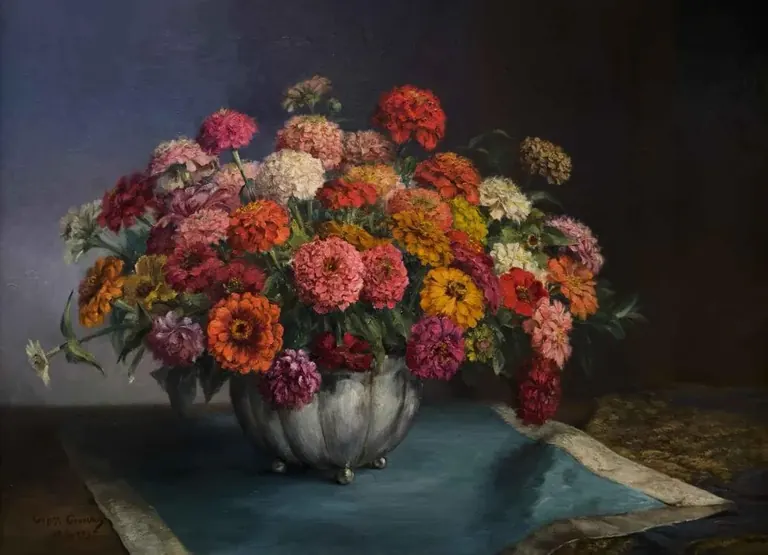
La vida de las cosas. Naturaleza muerta y cultura material
"The Life of Things": some 140 still lifes, sculptures, photos and objects from the 16th to 21st centuries, reread through material culture and the biography of objects.
More in Mexico City
Beside Zurbarán's Supper at Emmaus, painted in 1639, sits a small wooden sphere. Lean in and you smell the painting: specialists from the Museo del Perfume worked out what some of the canvases here would smell like. For once in a museum, putting your nose close to a nearly 400-year-old picture is the point.
The Zurbarán opens about 140 works from some 15 collections, 16th century to 21st, hung out of chronological order. Five sections (origins, fruit and vegetables, flowers, animals, manufactured things) put Arrieta, Orozco, Siqueiros and Olga Costa beside Omar Gámez's 2024 photographs of flower arrangements made as portraits. The last room sets real glass, porcelain and talavera beside the canvases.
The museum's director told La Jornada the genre has long been dismissed as bourgeois, and this show argues otherwise. Entry is MXN 75, free on Sundays and for students, teachers and INAPAM holders. Open Tuesday to Sunday, 10:00 to 18:00, until 10 January 2027.
Editor's pick
Zurbarán's Supper at Emmaus comes with a scent sphere made with the Museo del Perfume. Around 140 still lifes and objects, five centuries mixed on purpose, end in a room of real glass, porcelain and talavera.
Look for
Zurbarán's Supper at Emmaus
Look for Christ in an unusual hat, unrecognised until he breaks the bread, with a scent sphere beside the frame.
Omar Gámez's Rolando
A 2024 photograph from his Flores series: a flower arrangement composed as a portrait of a person.
Insects and molluscs
In the animal section, scientific specimen collections of insects and shells sit among paintings about hunting and taxidermy.
Magini's still life with a calf's head
Carlo Magini makes a severed calf's head the centrepiece of a still life.
An 18th-century market in New Spain
A large-format painting of a colonial market, lent by the Museo Nacional de Historia.
Good for
- Cheap Culture
- Nerding Out
- Rainy Days
Skip if
You want a chronological walk through art history: every section mixes centuries on purpose.
Also at Museo Nacional de San Carlos
On now nearby

Nearby
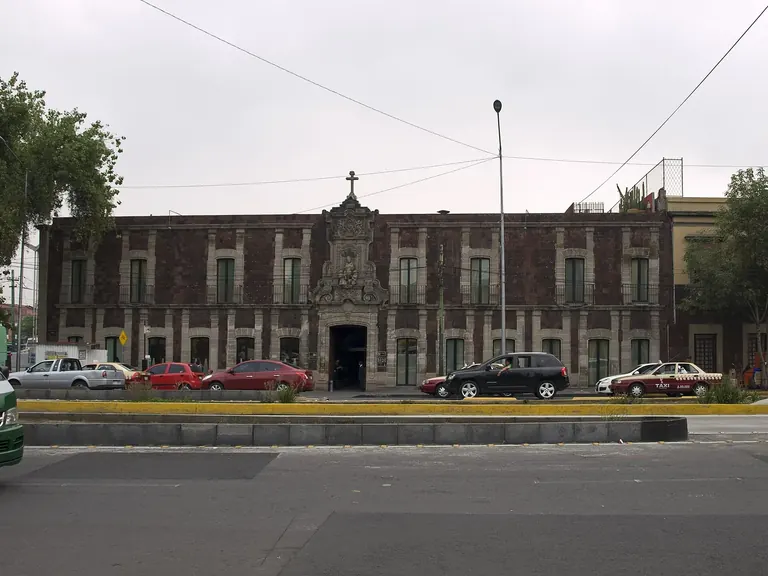
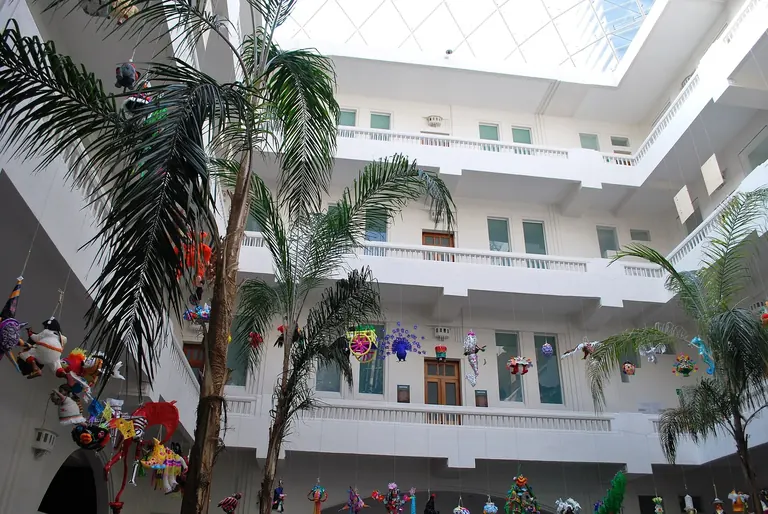
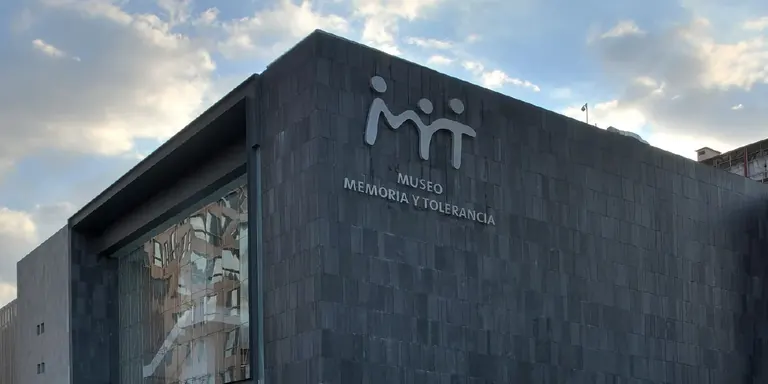
Image credits
9
- La vida de las cosas. Naturaleza muerta y cultura materialCourtesy of Museo Nacional de San Carlos
- Alexandre Estrela. RedSkyFalls: RéplicaCourtesy of Museo Universitario Arte Contemporáneo (MUAC)
- El Códice de AzcatitlanCourtesy of Museo Nacional de Antropología
- Julian Rosefeldt. ManifestoCourtesy of Museo Universitario Arte Contemporáneo (MUAC)
- Museo Nacional de San CarlosAlejandroLinaresGarcia / Wikimedia Commons, CC BY-SA 3.0
- Museo Mural Diego RiveraJosé Luiz / Wikimedia Commons, CC BY-SA 4.0
- Museo KaluzYmblanter / Wikimedia Commons, CC BY-SA 4.0
- Museo de Arte PopularAlejandroLinaresGarcia / Wikimedia Commons, CC BY-SA 4.0
- Museo Memoria y ToleranciaMuseo Memoria y Tolerancia / Wikimedia Commons, CC BY-SA 4.0