Museo Nacional de Artes DecorativasRetiro / Paseo del Prado
Miguel Ángel Blanco: The Amber Hut
Artist Miguel Ángel Blanco closes his trilogy on remarkable materials with amber in its natural state, powder drawings, book-boxes and artistic pieces from Spanish collections.
More in Madrid
Some of the drawings in this show are made with amber powder, and they hang in dialogue with pieces of amber in its natural state. Miguel Ángel Blanco, one of the Spanish artists most closely tied to nature, uses it to close a trilogy on prodigious materials that began with lapis specularis and obsidian.
There are three rooms. After the drawings, you come face to face with Queen Anne of Austria, painted by Sofonisba Anguissola and lent by the Prado, wearing a long string of amber beads as a protective amulet. The last room holds 30 of Blanco's libros-caja, among them the amber hut of the title. The museum says amber was worked into amulets and talismans from the Neolithic on, so your red-string bracelet from Ibiza is a late entry.
Entry is free, and the show is on the ground floor until 17 January 2027. The museum is open Tuesday to Saturday 9:30 to 15:00 (Thursdays also 17:00 to 20:00, except July and August), Sundays 10:00 to 15:00.
Editor's pick
Miguel Ángel Blanco ends his trilogy on remarkable materials with amber: raw amber, powder drawings and book-boxes, shown with pieces from Spanish collections. Free.
Look for
Drawings in amber powder
El espectro del ámbar, a series Blanco drew with Lithuanian amber powder to record the resin's spiritual emanations, hung beside raw amber.
Queen Anne's amber beads
In Sofonisba Anguissola's portrait, lent by the Prado, Anne of Austria wears a long string of amber beads as a protective amulet.
Amber pieces from Spanish collections
Around the portrait, amber objects from Spanish collections, including the queen's peinador, which the museum ranks among the finest amber pieces in Spain.
The libros-caja and the amber hut
Thirty box-books from Blanco's Biblioteca del Bosque, built after a hunt for amber and copal, one of them the legendary amber hut of the title.
Good for
- Cheap Culture
- Evening Visits
- Nerding Out
Also at Museo Nacional de Artes Decorativas
On now nearby
Nearby
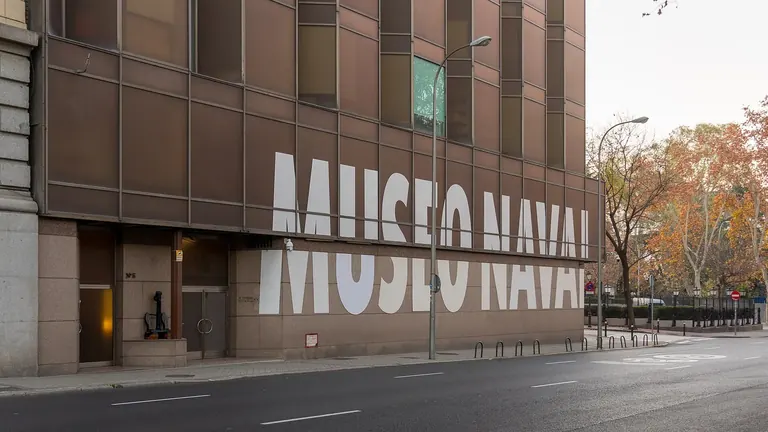
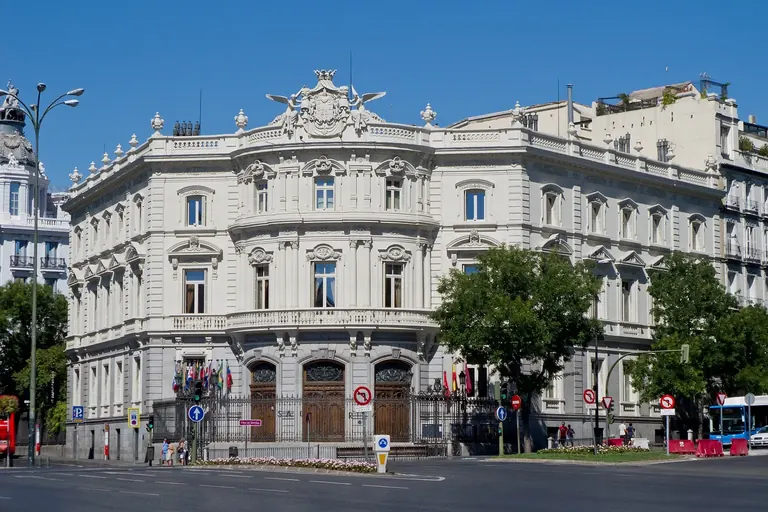
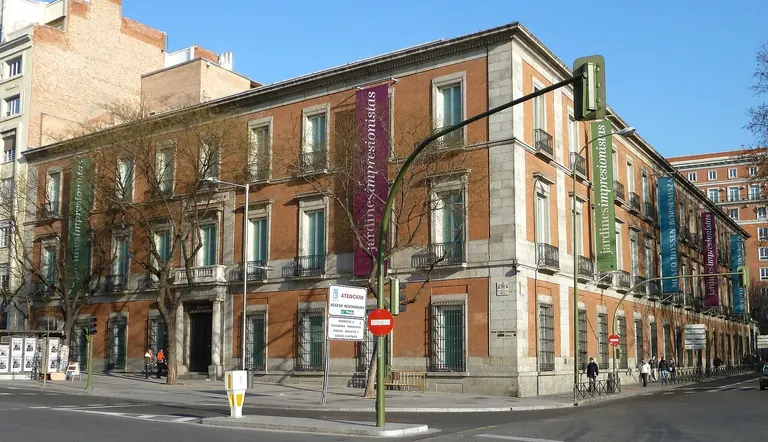

Image credits
8
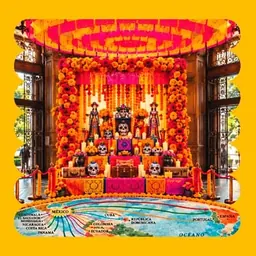
- De los que hicieron México su hogar: una ofrenda a la memoria del exilioCourtesy of Casa de América
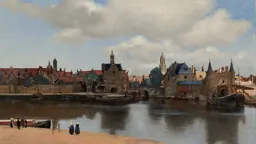
- Mauritshuis Thyssen-Bornemisza: Masterpieces from The HagueCourtesy of Museo Thyssen-Bornemisza
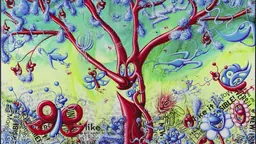
- Kenny Scharf© Kenny Scharf. Courtesy of the artist
- Museo Nacional de Artes DecorativasLuis García (Zaqarbal), Wikimedia Commons, CC BY-SA 3.0
- Museo NavalFernando, via Wikimedia Commons, CC BY-SA 4.0
- Casa de AméricaCarlos Delgado (Kadellar), CC BY-SA 3.0
- Museo Thyssen-BornemiszaLuis García (Zaqarbal), CC BY-SA 3.0
- Museo del PradoEmilio J. Rodríguez Posada (Emijrp), via Wikimedia Commons, CC BY-SA 2.0