 i
Peabody Museum of Archaeology & EthnologyHarvard Square, Cambridge
From Iran: A Visual Testimony
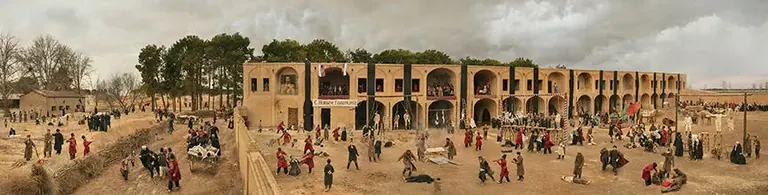
Azadeh Akhlaghi restages eleven pivotal deaths from Iran's history, 1908-1979, as meticulously researched tableaux shot on location - sixteen photographs plus archival material.
More in Boston
About seventy women sit on carpets and talk in a Tehran doctor's office on 1 December 1911, sunlight coming through the windows, getting ready to march on parliament. Nobody photographed that day. Azadeh Akhlaghi cast actors, shot it on location in Iran and put herself in the scene, as she does in every one. Look for her red shawl.
Sixteen photographs cover eleven episodes, from 1908, when the Shah shut down the first National Assembly, to the revolution of 1979. Three are triptychs, the largest just over 3 by 15 feet. A silent video loop runs 19 minutes 40 seconds, and an interactive display shows the archival research behind each scene. The museum warns that the images depict violence and death.
The Boston Globe's Mark Feeney called them "stunning" and wrote "One look, and you keep looking", but questioned whether staged scenes count as testimony. Entry is the $20 museum ticket, sold only at the desk, which also covers the Harvard Museum of Natural History.
Editor's pick
Azadeh Akhlaghi restages eleven deaths from Iranian history, 1908 to 1979, with actors, and puts herself in every scene; look for her red shawl. The Boston Globe wrote "One look, and you keep looking", but doubted staged scenes count as testimony.
Look for
The First Iranian Women's Movement
Dozens of women gather on carpets in Dr. Kahhal's Tehran office in 1911, sunlight through the windows, preparing an armed march on parliament.
The Great Iranian Migration
Refugees carry their bags across snowy mountains on the Iran-Ottoman border during World War I; Harvard Magazine called it the show's most visually arresting picture.
The Mother of Tabriz
A mother grieves two sons executed by occupying Russian troops on Ashura, her daughter beside her and Akhlaghi herself as the woman consoling her.
The Bombardment of the Parliament
Figures scatter across the parliament grounds in Tehran under rising smoke, the June 1908 attack where the show's timeline begins.
Good for
- Going Solo
- Nerding Out
- Rainy Days
Skip if
You want documentary photographs: every scene is staged with actors, and the museum warns of violence and death.
With kids
The museum warns that the photographs depict violence, oppression and death; they are staged but show real events. Youth tickets (ages 3 to 18) are $15, under-3s free.
Also at Peabody Museum of Archaeology & Ethnology
On now nearby

Nearby
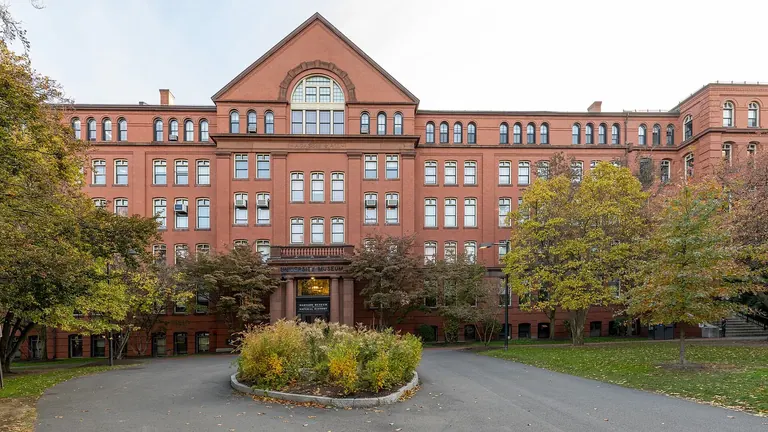
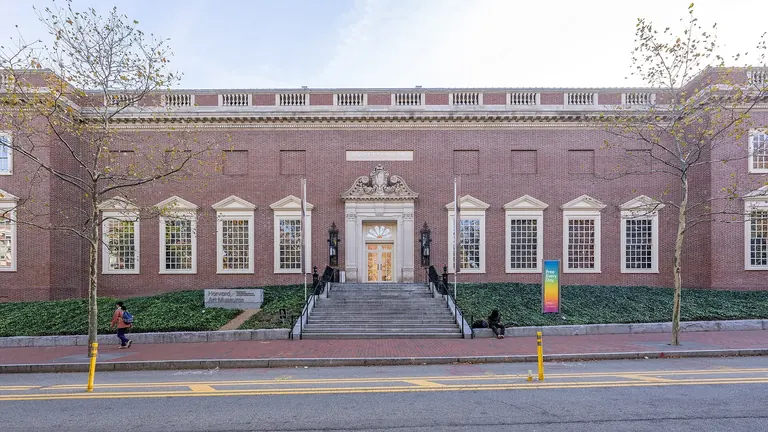
Image credits
7
- From Iran: A Visual TestimonyAzadeh Akhlaghi, via Peabody Museum of Archaeology & Ethnology
- Swimming with Sharks: A Deep Dive into Shark Biology and BehaviorHarvard Museum of Natural History
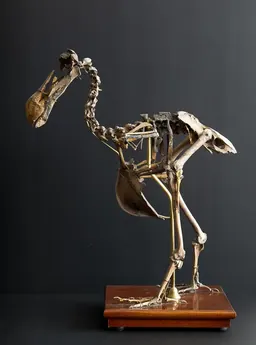
- Collecting Wonders: Tomorrow's Discoveries© Tony Rinaldo / Harvard Museum of Natural History
- Peabody Museum of Archaeology & EthnologyDaderot, via Wikimedia Commons, Public domain
- Harvard Museum of Natural Historyajay_suresh via Wikimedia Commons, CC BY 4.0
- Harvard Art Museumsajay_suresh via Wikimedia Commons, CC BY 4.0
- Carpenter Center for the Visual ArtsBobak Ha'Eri via Wikimedia Commons, CC BY 3.0