 i
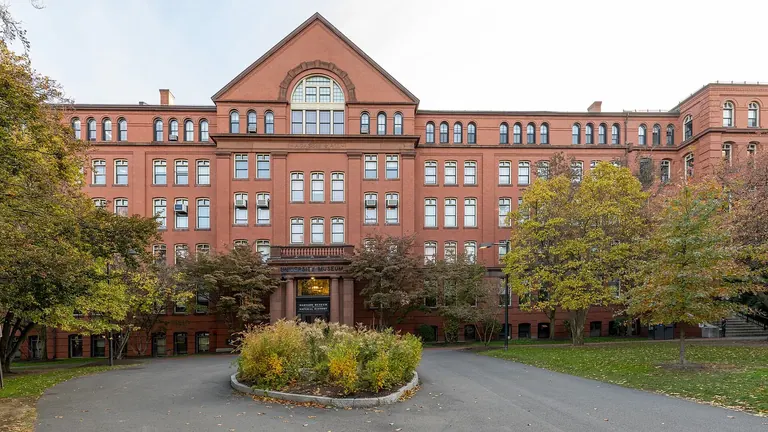
Harvard Museum of Natural History
The Harvard Museum of Natural History occupies the university's Cambridge museum building, drawing 12,000 specimens across 16 galleries from three research collections: the Harvard University Herbaria, the Museum of Comparative Zoology and the Mineralogical and Geological Museum. Its signature draw is the Ware Collection of Blaschka Glass Models of Plants, the "Glass Flowers" - 4,300 lifelike models in glass made by a Czech father-and-son team between 1886 and 1936. The Earth and Planetary Sciences Gallery holds thousands of minerals, gemstones and meteorites including a 1,600-pound amethyst geode, while the two-storey Great Mammal Hall suspends whale skeletons above a giraffe, a bison and the extinct Steller's sea cow. One ticket also admits you to the adjoining Peabody Museum of Archaeology and Ethnology at the same address.
More in Boston
What's On

Swimming with Sharks: A Deep Dive into Shark Biology and Behavior
Jaws from Harvard's collections, underwater photography by Keith Ellenbogen and the science of shark skin recast the ocean's most misunderstood megafauna as more menaced than menacing.
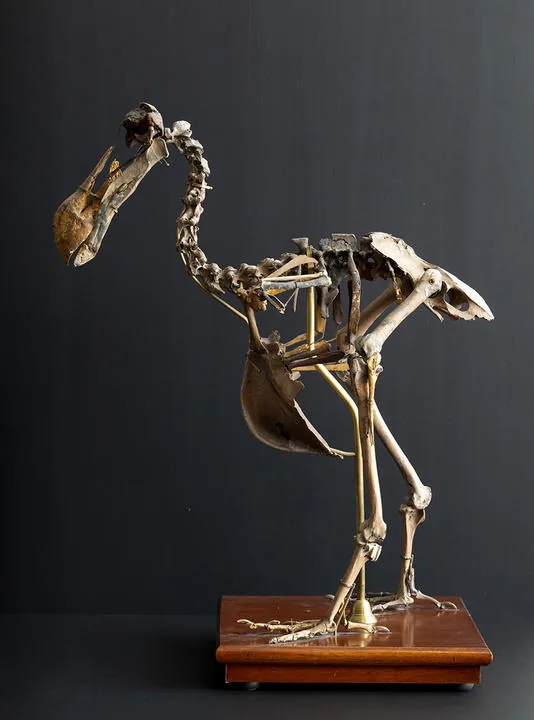
Collecting Wonders: Tomorrow's Discoveries
Rare specimens from Harvard's 26-million-object vaults, many on public display for the first time - from George Washington's golden pheasants to the only complete Lewis & Clark bird specimen.
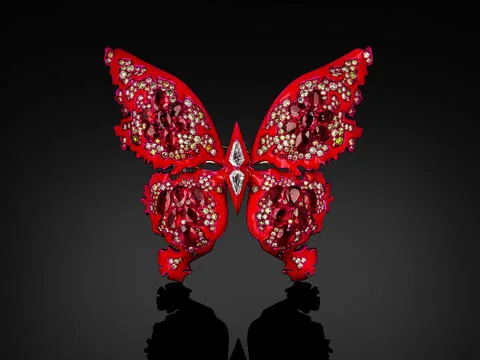
Rubies
An intimate Exhibit Spotlight in the Earth & Planetary Sciences Gallery on the red variety of corundum: its chromium glow under UV light, its rutile "silk" inclusions, and ruby jewellery.
Permanent Collections
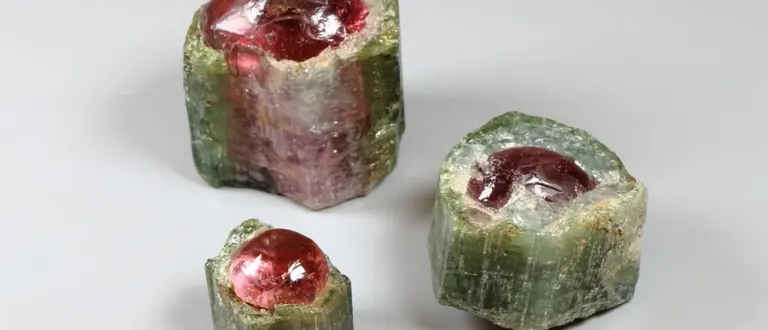
Earth & Planetary Sciences Gallery
Thousands of rare minerals and gemstones, a 1,600-pound amethyst geode, a new Maine tourmaline display and meteorites - plus touchable zircon crystals intact for 4.3 billion years.
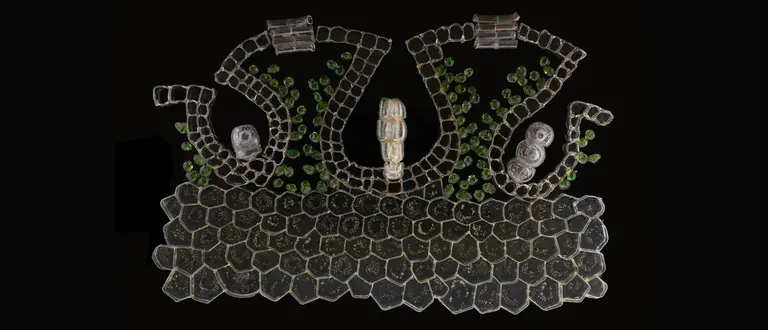
The Blaschkas at the Microscope: Lessons in Botany
A Glass Flowers gallery display of Blaschka teaching models that meticulously illustrate the life cycles of non-flowering, spore-forming plants and fungi.
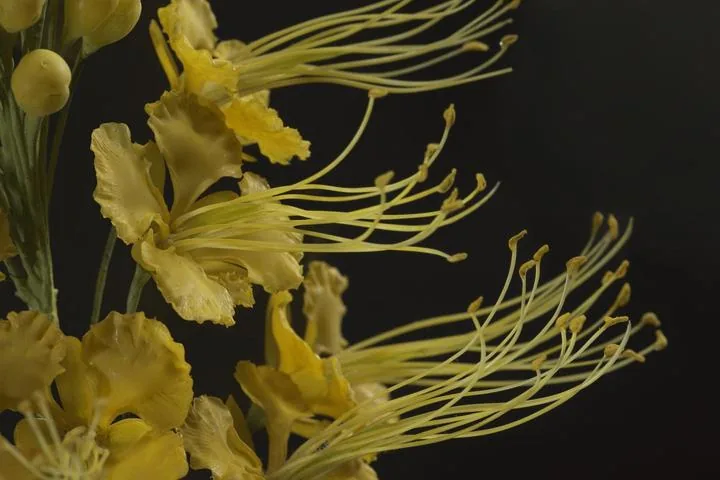
Glass Flowers: The Ware Collection of Blaschka Glass Models of Plants
4,300 glass models representing 780 plant species, made by Leopold and Rudolf Blaschka between 1886 and 1936, in a gallery whose 1890s display cases were rebuilt in a 2016 renovation.
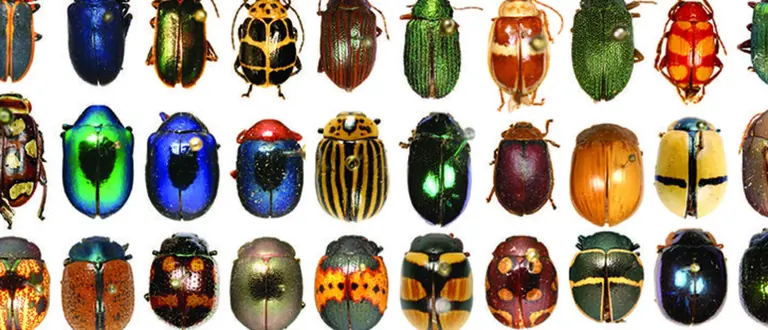
The Rockefeller Beetles
Hundreds of beetles from banker David Rockefeller's 150,000-specimen collection, gifted to the Museum of Comparative Zoology in 2017, on display within Arthropods: Creatures That Rule.
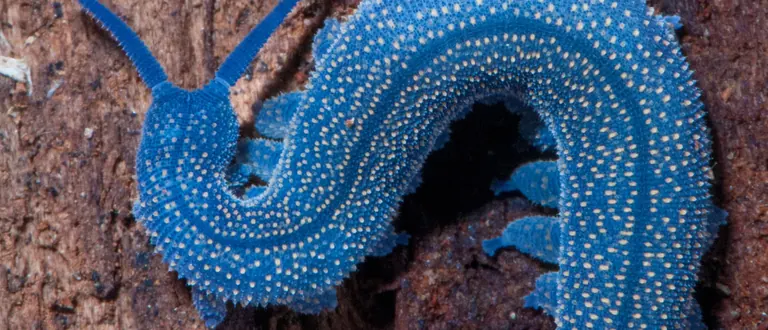
Velvet Worms: A Fierce Hunter with a Secret Weapon
A smaller-scale Arthropods Gallery exhibit on the closest relatives of arthropods, which shoot glue-like slime at prey - with rare video, global specimens and a touchable CT-scan 3D model.
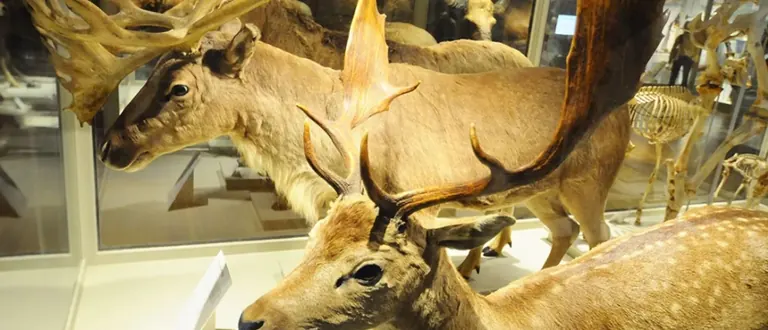
Great Mammal Hall
A two-storey gallery, some 60 by 40 feet, with three whale skeletons hung from the rafters above a full-sized giraffe, a bison, a narwhal and the extinct Steller's sea cow.
Plan Your Visit
Getting there
26 Oxford Street, Cambridge, MA 02138, United States
Nearest station: Harvard (MBTA Red Line) - about a 10-minute walk (0.4 miles)
Show on mapHours
Delayed opening at 11:00 am 17 November, 11:00–17:00
Closed 25 November
Closed - day before Thanksgiving
Closed 26 November
Closed - Thanksgiving Day
| Mon | 09:00–17:00 |
| Tue | 09:00–17:00 |
| Wed | 09:00–17:00 |
| Thu | 09:00–17:00 |
| Fri | 09:00–17:00 |
| SatToday | 09:00–17:00 |
| Sun | 09:00–17:00 |
Admission
From $20
Seniors 65+ $18; non-Harvard students with ID $15; youth 3-18 $15; under 3 free; Harvard ID holders free plus one guest; HMSC and Harvard Art Museums members free. Free for Massachusetts residents (proof required) every Sunday 9:00 am-12:00 pm and Wednesdays 3:00 pm-5:00 pm; also free for Massachusetts K-12 teachers, EBT/WIC cardholders plus up to 5 guests, ASTC Passport members and active-duty US military (Blue Star). US veterans get $3 off. Admission includes the adjoining Peabody Museum of Archaeology & Ethnology. Tickets are sold only at the admissions desk and museum shop.
Last verified
Nearby
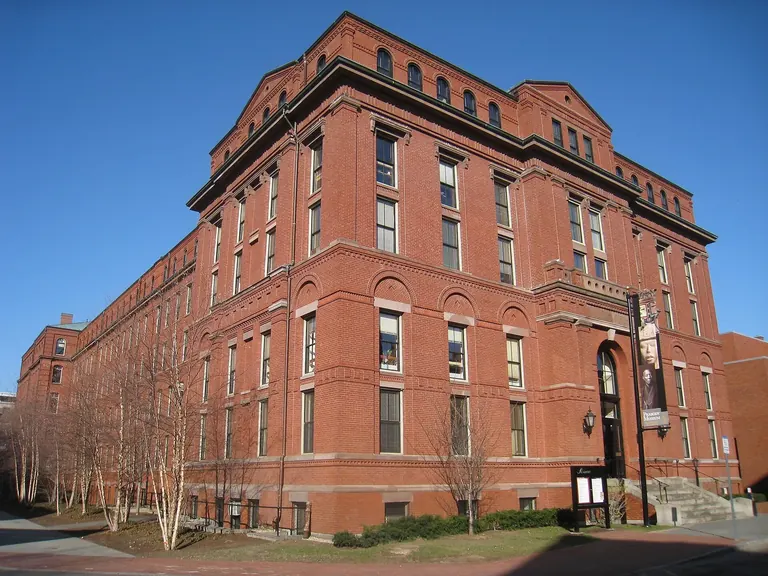
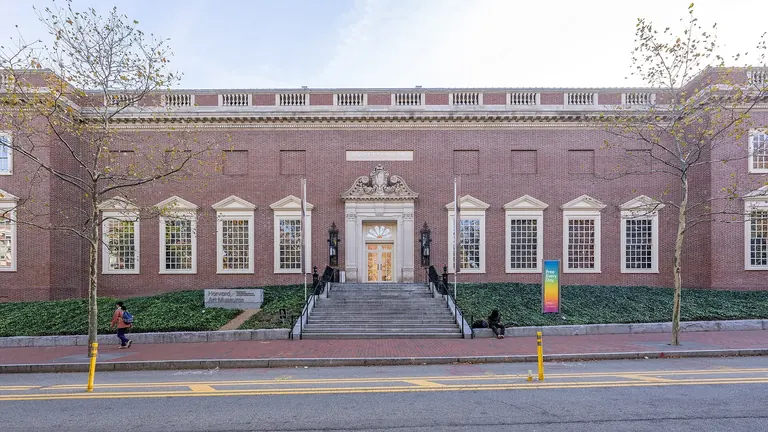
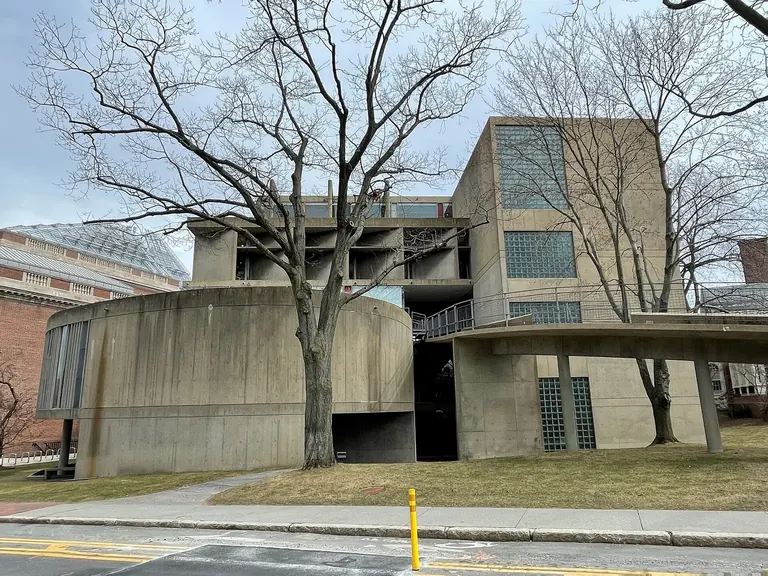
Visitor Information
- How much does Harvard Museum of Natural History cost?
- Standard adult admission to Harvard Museum of Natural History is $20. Seniors 65+ $18; non-Harvard students with ID $15; youth 3-18 $15; under 3 free; Harvard ID holders free plus one guest; HMSC and Harvard Art Museums members free. Free for Massachusetts residents (proof required) every Sunday 9:00 am-12:00 pm and Wednesdays 3:00 pm-5:00 pm; also free for Massachusetts K-12 teachers, EBT/WIC cardholders plus up to 5 guests, ASTC Passport members and active-duty US military (Blue Star). US veterans get $3 off. Admission includes the adjoining Peabody Museum of Archaeology & Ethnology. Tickets are sold only at the admissions desk and museum shop.. Prices for special exhibitions and timed-entry slots may differ.
- What are the opening hours of Harvard Museum of Natural History?
- Harvard Museum of Natural History is open Open daily 9:00 am-5:00 pm. Closed 25-26 November 2026 (Thanksgiving eve and Thanksgiving), 24-27 December 2026 and 1 January 2027. Opens late at 11:00 am on 10 September 2026, 17 November 2026, 25 February 2027 and 25 May 2027; closes early at 3:00 pm on 12 January 2027.. Holiday hours can vary, so check the museum's website before you go.
- Where is Harvard Museum of Natural History?
- Harvard Museum of Natural History is located at 26 Oxford Street, Cambridge, MA 02138, United States, in the Harvard Square, Cambridge area of Boston. The nearest station is Harvard (MBTA Red Line) - about a 10-minute walk (0.4 miles).
- What can I see at Harvard Museum of Natural History?
- Glass flowers, glittering minerals and whales overhead: Harvard's 16 galleries of natural wonders, ten minutes from Harvard Square. Current highlights include Earth & Planetary Sciences Gallery, The Blaschkas at the Microscope: Lessons in Botany and Glass Flowers: The Ware Collection of Blaschka Glass Models of Plants.
- Do I need to book Harvard Museum of Natural History in advance?
- Booking ahead is recommended, especially for weekends, school holidays, and special exhibitions. Tickets are normally on the museum's website, and a pre-booked timed slot helps you avoid queues at the entrance.
- When is the best time to visit Harvard Museum of Natural History?
- Weekday mornings shortly after opening are typically the quietest, especially mid-week. Late afternoons can also be calmer. Weekends, school holidays, and the lunch rush are the busiest periods.
Image credits
13
- Harvard Museum of Natural Historyajay_suresh via Wikimedia Commons, CC BY 4.0
- Earth & Planetary Sciences GalleryMineralogical and Geological Museum at Harvard / Harvard Museum of Natural History
- The Blaschkas at the Microscope: Lessons in BotanyHarvard Museum of Natural History
- Glass Flowers: The Ware Collection of Blaschka Glass Models of PlantsHarvard Museum of Natural History
- The Rockefeller BeetlesCourtesy of Harvard Museum of Natural History
- Collecting Wonders: Tomorrow's Discoveries© Tony Rinaldo / Harvard Museum of Natural History
- RubiesThe Ikhor Collection / Harvard Museum of Natural History
- Velvet Worms: A Fierce Hunter with a Secret WeaponGonzalo Giribet / Harvard Museum of Natural History
- Swimming with Sharks: A Deep Dive into Shark Biology and BehaviorHarvard Museum of Natural History
- Great Mammal HallAlex Jaffe / Harvard Museum of Natural History
- Peabody Museum of Archaeology & EthnologyDaderot, via Wikimedia Commons, Public domain
- Harvard Art Museumsajay_suresh via Wikimedia Commons, CC BY 4.0
- Carpenter Center for the Visual ArtsBobak Ha'Eri via Wikimedia Commons, CC BY 3.0