 i
Humboldt ForumMitte
Dara Tûyê – The Mulberry Tree
Feminist voices on war and gardens: art, photography and interviews on women's solidarity across borders and the healing power of community gardens.
More in Berlin
One tree in a medicinal herb garden in Neukölln is named for Jina Amini. The garden, Hevrîn Xelef, sits on reused ground of the New St. Jacobi Cemetery, and Flamingo, a Berlin network for refugee women, has run it since 2019. This room grew out of it.
You walk into the "Pictures of Berlin" room of BERLIN GLOBAL and meet a sprawling black mulberry tree, a sculpture designed by Ela Pour. Around it, eleven interview partners share memories, feelings and what they know about plants, set to sound by the ethnomusicologist Yalda Yazdani. Photographs show the Neukölln garden and Jinwar, a women's village in northeastern Syria. The title means "The Mulberry Tree" in Kurmanci and Farsi.
It's an Open Space, one of the rooms BERLIN GLOBAL hands to Berlin groups, so it's a single room and comes with the €9 BERLIN GLOBAL ticket (reduced entry is free). Texts are in German and English, and it's step-free. Book online or at the foyer box office; last entry is 17:30.
Look for
The Black Mulberry Tree
Look for the sprawling tree sculpture at the centre of the room, designed by Ela Pour to hold fragility and strength, grief and hope at once.
The interviews
Eleven interview partners from the project share memories, feelings and plant knowledge, framed by Yalda Yazdani's sound design.
Photographs from Neukölln and Jinwar
Philip Leutert's pictures of the Hevrîn Xelef herb garden hang alongside Anuscheh Amir-Khalili's photographs of the women's village Jinwar in northeastern Syria.
Good for
- An Hour Or Less
- Going Solo
- Locals Who've Seen It All
Skip if
You want a full exhibition: it's one room inside BERLIN GLOBAL, built around a single sculpture.
With kids
The museum recommends it from age 12, and the interviews deal with experiences of war, violence and loss.
Free in the same building
- Flashbacks36 objects placed throughout the building in unconventional settings, each recalling a moment from the site's history.
- History of the SiteFree displays covering 800 years of Schlossplatz, from medieval cellars and palace sculptures to the Palace of the Republic, with original objects and media stations.
- Impressions. The Humboldt BrothersFree display on Alexander and Wilhelm von Humboldt's lives, curiosity and cosmopolitan worldview, in the ground-floor stairwell hall.
- Palace CellarFree walk through the archaeological remains of a medieval monastery and the original palace foundations beneath the building.
- The Gate of SanchiFree full-scale replica of the East Gate of the Great Stupa of Sanchi, a UNESCO World Heritage site in India, installed outside on the Lustgarten side.
Also at Humboldt Forum
On now nearby



Nearby
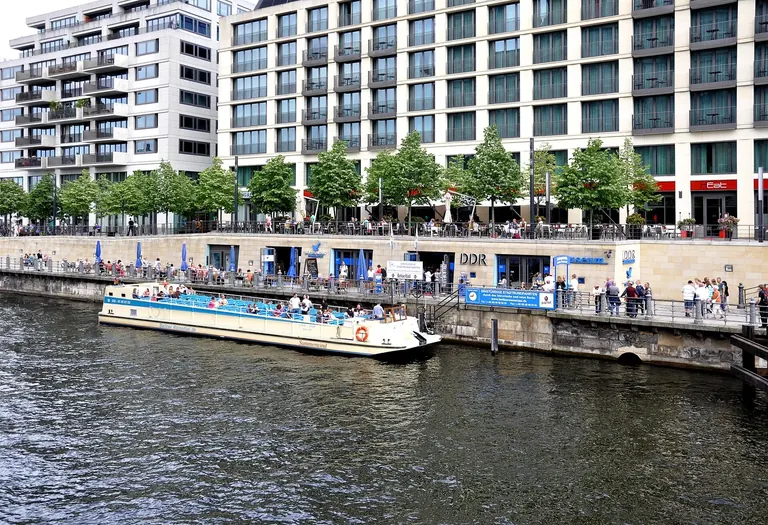
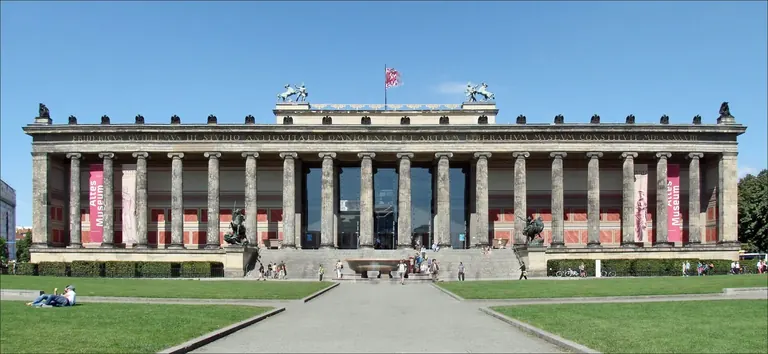
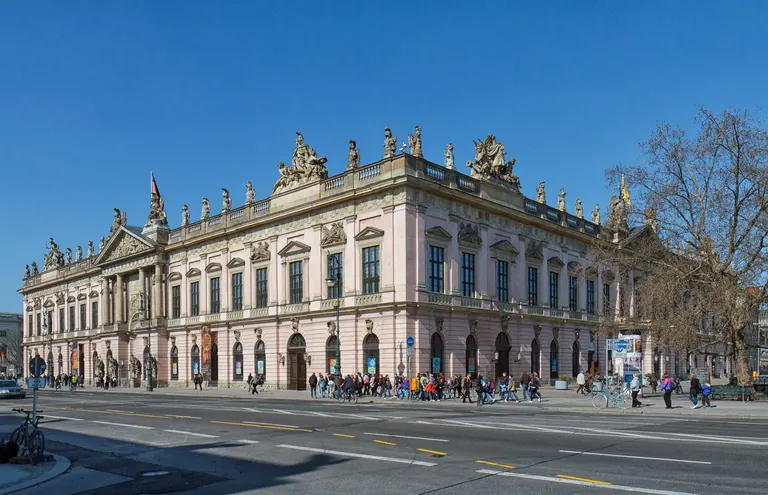
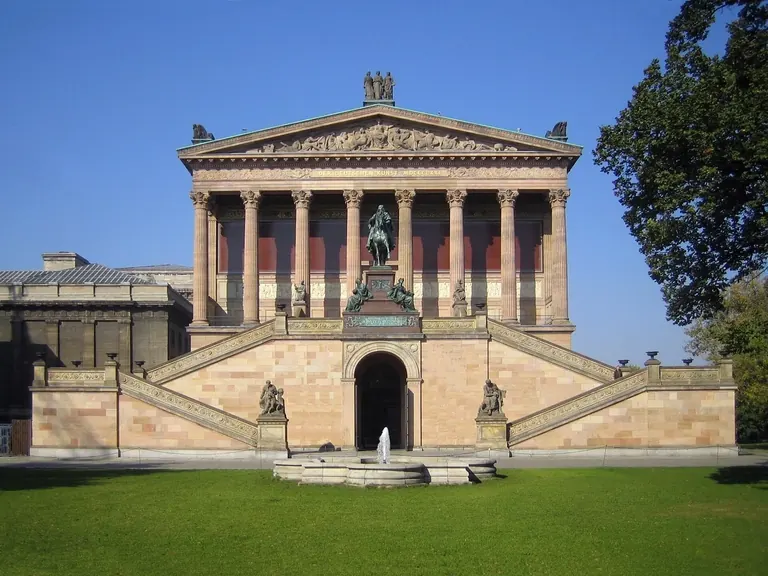
Image credits
9
- Dara Tûyê – The Mulberry TreeFlamingo e.V., Stadtmuseum Berlin | Gestaltung: Groupe Dejour
- A Country in a Container – The Disposal of East German State SymbolsCourtesy of DDR Museum
- Founded on Antiquity: Berlin's First MuseumPhoto: Johannes Laurentius
- Nature and German History. Faith – Biology – PowerCourtesy of Deutsches Historisches Museum
- Humboldt ForumMike Peel / Wikimedia Commons, CC BY-SA 4.0
- DDR MuseumAndreas Praefcke / Wikimedia Commons, CC BY 3.0
- Altes MuseumJean-Pierre Dalbéra / Wikimedia Commons, CC BY 2.0
- Deutsches Historisches MuseumAvda / Wikimedia Commons, CC BY-SA 3.0
- Alte NationalgalerieManfred Brückels / Wikimedia Commons, Public domain