Humboldt ForumMitte
Manatunga: Artistic Interventions by George Nuku
Three large interventions by Māori artist George Nuku in two rooms of the Oceania galleries, made in polystyrene and Plexiglas during his Collaborative Museum fellowships.
More in Berlin
Māui stands in a see-through canoe on top of a coral reef, hauling plastic sea creatures out of the water with a big fishing hook. The canoe is Plexiglas, so are Māui and his four brothers, and the jellyfish, fish and rays were made from PET bottles in a two-week workshop. George Nuku calls the plastic bottle "evidence of divinity", which is more than the Pfandautomat ever offered for one.
There are three interventions across two Oceania rooms. You walk into the big boat hall (room 215) and find the waka on the reef case, its ends fitted with historical sterns from the collection. In room 219, Plexiglas meeting-house gables shelter old gods in wood and stone, and four clear ancestor figures stand beside weapons and jewellery displayed upright. "When they lie, they are dead," Nuku says.
These sit inside the permanent display on the second floor, covered by the €9 collections ticket. Texts are in English and German. Closed Tuesdays.
Look for
The Plexiglas waka
In the boat hall, Māui and his four clear brothers steer a canoe across the coral reef case while Māui pulls plastic sea creatures up on a big hook.
The PET-bottle sea
Look into the case under the waka: jellyfish, fish, rays and corals cut from plastic bottles fill it like a reef.
The meeting-house gable
In room 219 a clear Plexiglas gable frames three ancestor or god figures in wood and stone from Aotearoa, the Marquesas and Rapa Nui.
Sope from Nukuoro
Opposite the gable, a second Plexiglas gable shields the carved wooden figure of the god Sope.
The standing treasures
Four clear ancestor figures in Māori carving style stand by cases where the museum's weapons and jewellery are shown upright instead of lying flat.
Good for
- Locals Who've Seen It All
- Rainy Days
Skip if
You want a standalone exhibition: these are three pieces placed inside the permanent Oceania galleries.
Free in the same building
- Flashbacks36 objects placed throughout the building in unconventional settings, each recalling a moment from the site's history.
- History of the SiteFree displays covering 800 years of Schlossplatz, from medieval cellars and palace sculptures to the Palace of the Republic, with original objects and media stations.
- Impressions. The Humboldt BrothersFree display on Alexander and Wilhelm von Humboldt's lives, curiosity and cosmopolitan worldview, in the ground-floor stairwell hall.
- Palace CellarFree walk through the archaeological remains of a medieval monastery and the original palace foundations beneath the building.
- The Gate of SanchiFree full-scale replica of the East Gate of the Great Stupa of Sanchi, a UNESCO World Heritage site in India, installed outside on the Lustgarten side.
Also at Humboldt Forum
On now nearby
Nearby
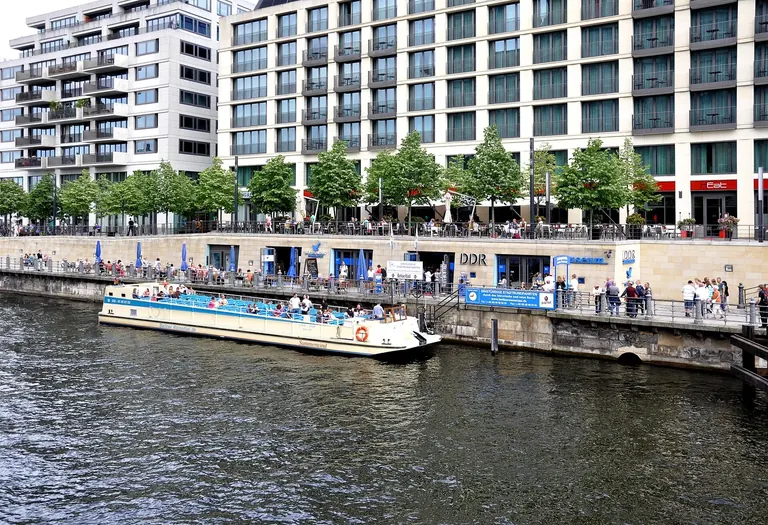
Image credits
8
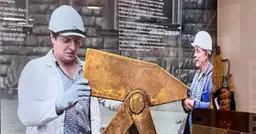
- A Country in a Container – The Disposal of East German State SymbolsCourtesy of DDR Museum
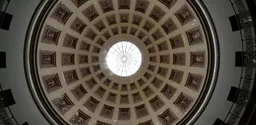
- Founded on Antiquity: Berlin's First MuseumPhoto: Johannes Laurentius
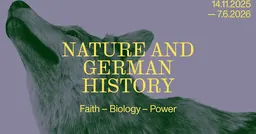
- Nature and German History. Faith – Biology – PowerCourtesy of Deutsches Historisches Museum
- Humboldt ForumMike Peel / Wikimedia Commons, CC BY-SA 4.0
- DDR MuseumAndreas Praefcke / Wikimedia Commons, CC BY 3.0
- Altes MuseumJean-Pierre Dalbéra / Wikimedia Commons, CC BY 2.0
- Deutsches Historisches MuseumAvda / Wikimedia Commons, CC BY-SA 3.0
- Alte NationalgalerieManfred Brückels / Wikimedia Commons, Public domain