 i
Humboldt ForumMitte
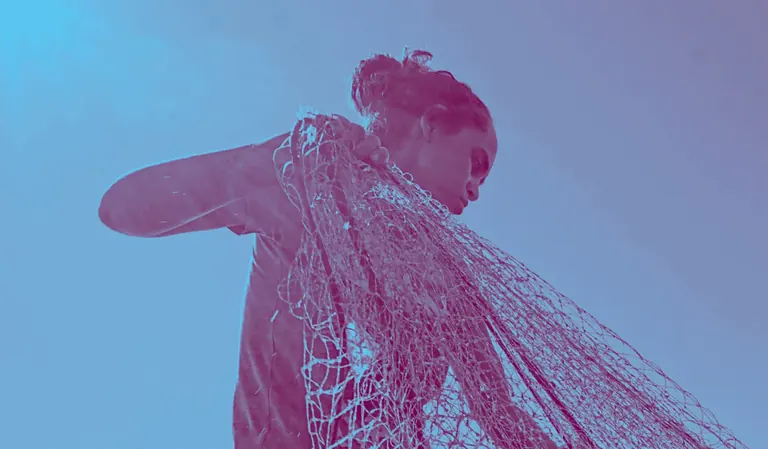
Agua. The Art and Cosmologies of Water
Twenty artworks from Brazil, Colombia and Chile show water as a source of knowledge and spirituality and as a ground of environmental conflict, made with Indigenous and traditional communities.
More in Berlin
Preview: written before the show opened
You can walk into a fish trap here. A second room is a maloca, the longhouse where, in the stories of the Kotiria people of Colombia's Río Vaupés, fish beings gather to hold their festivals the way humans do. Both are multimedia installations, filled with images and sounds from the Colombian Amazon and from Rio de Janeiro's Guanabara Bay.
The show brings together about 20 contemporary works from Brazil, Colombia and Chile, made with Indigenous and traditional communities after years of research in those regions. Its water runs from the mist of Colombia's Páramo de Sumapaz to Chilean rivers turned into commodities by water rights, and to the bay's mangroves, where Caiçara fishers work beside industrial sites. One interactive piece brings the material of rivers into the gallery.
Tickets are €9, in Special Exhibition 1 on the ground floor. The museum warns that some areas have strong light, sound and multimedia effects. The artists and curators also hold Nhé'ẽ, free circle conversations, in Hall 2.
Look for
The longhouse of the fish people
Look for the walk-in maloca, a multimedia room built on the Kotiria story of fish beings who gather in longhouses for their festivals, like humans.
The walk-in fish trap
A second walk-in installation turns the idea of a fish trap into a multimedia room of images and sound.
The interactive river work
One interactive artwork brings the material of South American rivers into the gallery itself.
Good for
- Nerding Out
- Teenagers
With kids
Kids get an interactive artwork and walk-in multimedia rooms, but the museum warns that some areas have heightened light, sound and multimedia effects.
Free in the same building
- Flashbacks36 objects placed throughout the building in unconventional settings, each recalling a moment from the site's history.
- History of the SiteFree displays covering 800 years of Schlossplatz, from medieval cellars and palace sculptures to the Palace of the Republic, with original objects and media stations.
- Impressions. The Humboldt BrothersFree display on Alexander and Wilhelm von Humboldt's lives, curiosity and cosmopolitan worldview, in the ground-floor stairwell hall.
- Palace CellarFree walk through the archaeological remains of a medieval monastery and the original palace foundations beneath the building.
- The Gate of SanchiFree full-scale replica of the East Gate of the Great Stupa of Sanchi, a UNESCO World Heritage site in India, installed outside on the Lustgarten side.
Also at Humboldt Forum
On now nearby
Nearby
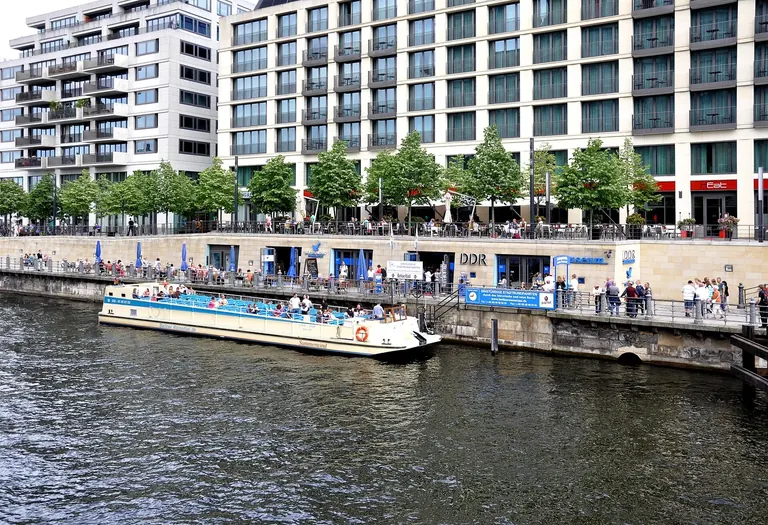
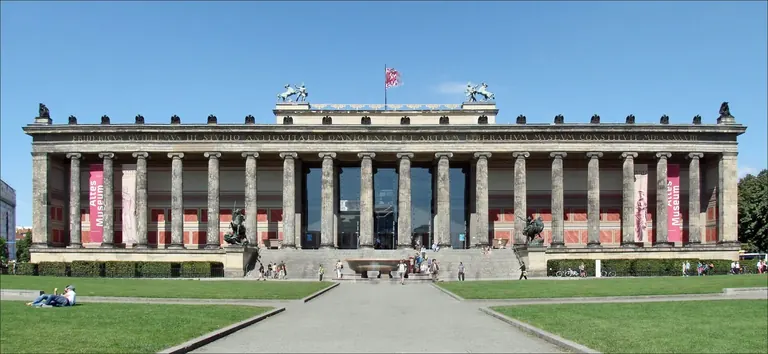
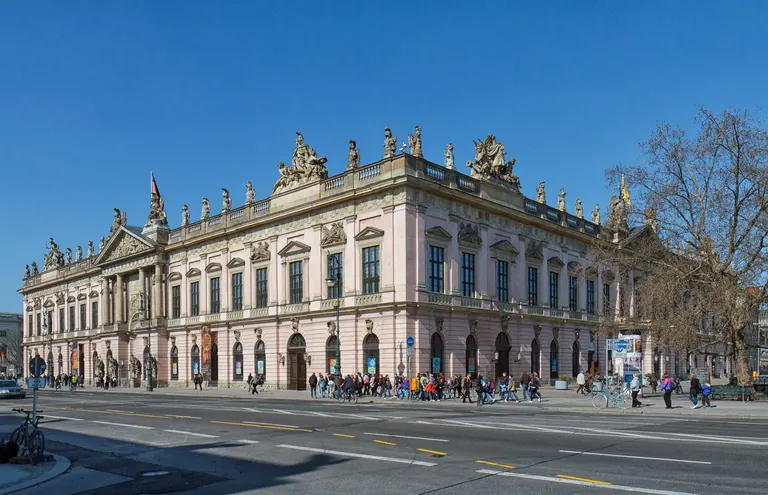
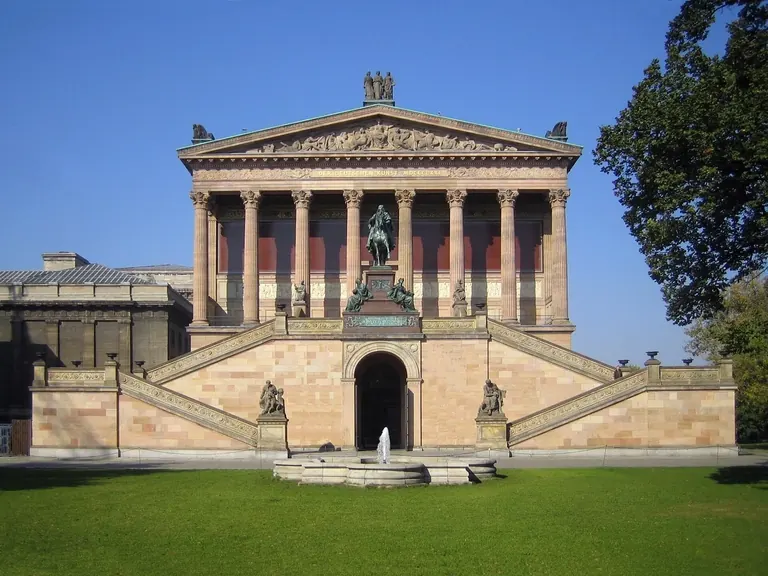
Image credits
9
- Agua. The Art and Cosmologies of Water© Stiftung Humboldt Forum im Berliner Schloss / Thalia dos Santos / Ana Clara Mattoso © Lucas Vaz
- A Country in a Container – The Disposal of East German State SymbolsCourtesy of DDR Museum
- Founded on Antiquity: Berlin's First MuseumPhoto: Johannes Laurentius
- Nature and German History. Faith – Biology – PowerCourtesy of Deutsches Historisches Museum
- Humboldt ForumMike Peel / Wikimedia Commons, CC BY-SA 4.0
- DDR MuseumAndreas Praefcke / Wikimedia Commons, CC BY 3.0
- Altes MuseumJean-Pierre Dalbéra / Wikimedia Commons, CC BY 2.0
- Deutsches Historisches MuseumAvda / Wikimedia Commons, CC BY-SA 3.0
- Alte NationalgalerieManfred Brückels / Wikimedia Commons, Public domain