 i
MACBA – Museu d'Art Contemporani de BarcelonaRaval
Pere Portabella: The Committed Gaze
Screenings of Pere Portabella's films from the MACBA Collection for his centenary: radical cinema made under censorship that rejects linear narrative and treats form as a political stance.
More in Barcelona
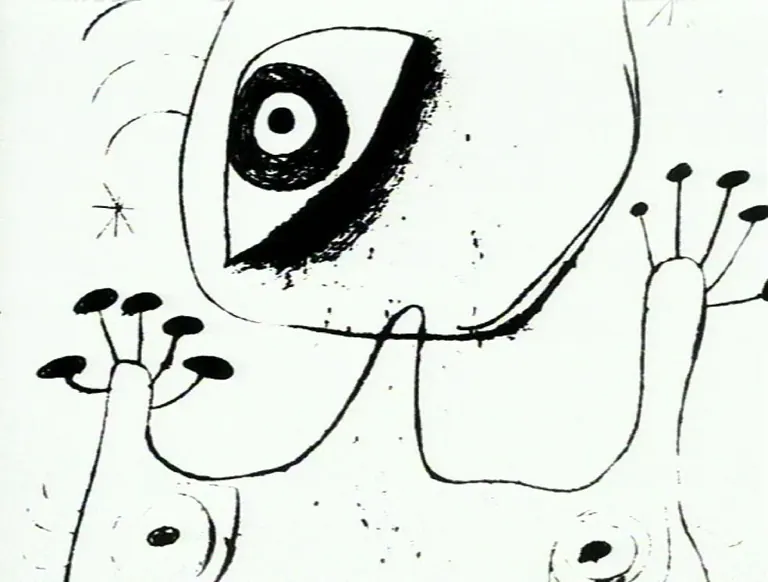
In 1969 Pere Portabella agreed to film Joan Miró painting a mural on the ground-floor windows of Barcelona's Col·legi d'Arquitectes, on one condition: when the exhibition closed, Miró would wipe it off himself, with the cleaning staff. Miró agreed. The film is Miró l'altre. If you've crossed Plaça Nova by the cathedral, you've walked past the windows he scrubbed.
It's one of five Portabella films from the collection screening in the museum's tower for his centenary. Aidez l'Espagne cuts Civil War newsreels against Miró's prints, with no voice-over. Poetes catalans was shot clandestinely at a 1970 poetry festival for political prisoners. In Informe general, filmed months after Franco died, Felipe González, Santiago Carrillo, Jordi Pujol and others debate how a dictatorship becomes a democracy.
You won't see it all at once: the five run over three hours, 149 minutes of it Informe general. It's on the general MACBA ticket (€15, free under 16 and Thursday to Saturday, 6 to 8pm), with guided visits on Saturdays from 7 November.
Look for
Miró l'altre (1969)
Miró paints a mural across the ground-floor windows of the architects' college, the mural Portabella made him promise to wipe off himself when the show closed.
Aidez l'Espagne (1969)
Five minutes of Civil War newsreel, military marches, bombings and Durruti's funeral, cut with Miró's teeth and eyes and ending in colour on his Aidez l'Espagne poster.
Play Back (1970)
The Liceu choir reads fragments of Wagner at the Lluïsos de Gràcia theatre while Carles Santos rehearses a film soundtrack, in eight black-and-white minutes.
Poetes catalans (1970)
An underground film of the poetry festival at the Price Theatre on 25 May 1970, where Salvador Espriu, Joan Brossa and Gabriel Ferrater read in solidarity with political prisoners.
Informe general (1976)
Shot just after Franco's death, it lines up Felipe González, Santiago Carrillo, Jordi Pujol and even Montserrat Caballé to answer how Spain gets from dictatorship to democracy.
Good for
- Locals Who've Seen It All
- Nerding Out
Skip if
You want art objects: it's five films on screen, one of them 149 minutes long.
Also at MACBA – Museu d'Art Contemporani de Barcelona
On now nearby
Nearby
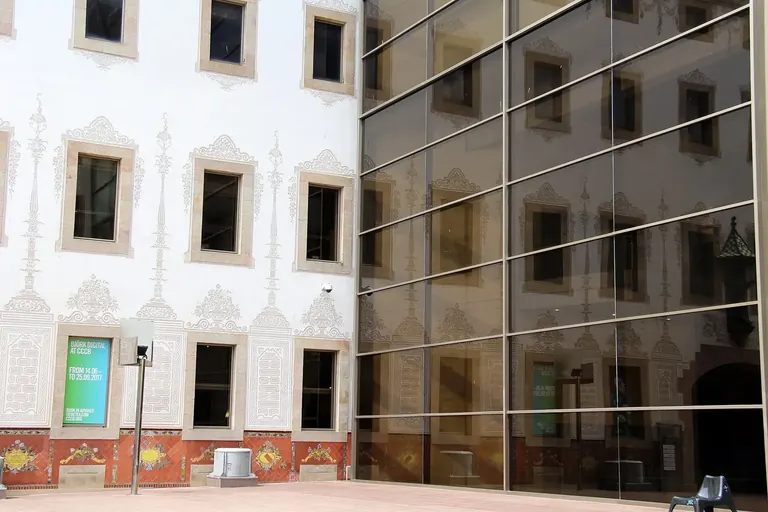
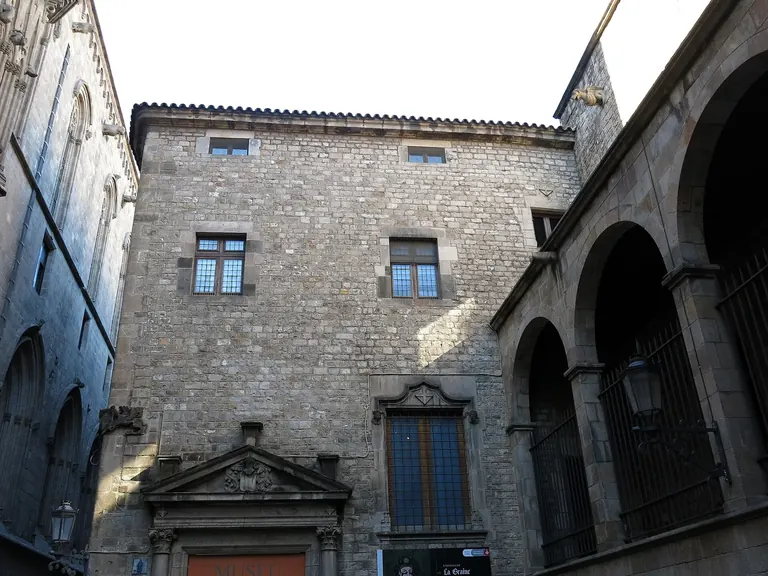
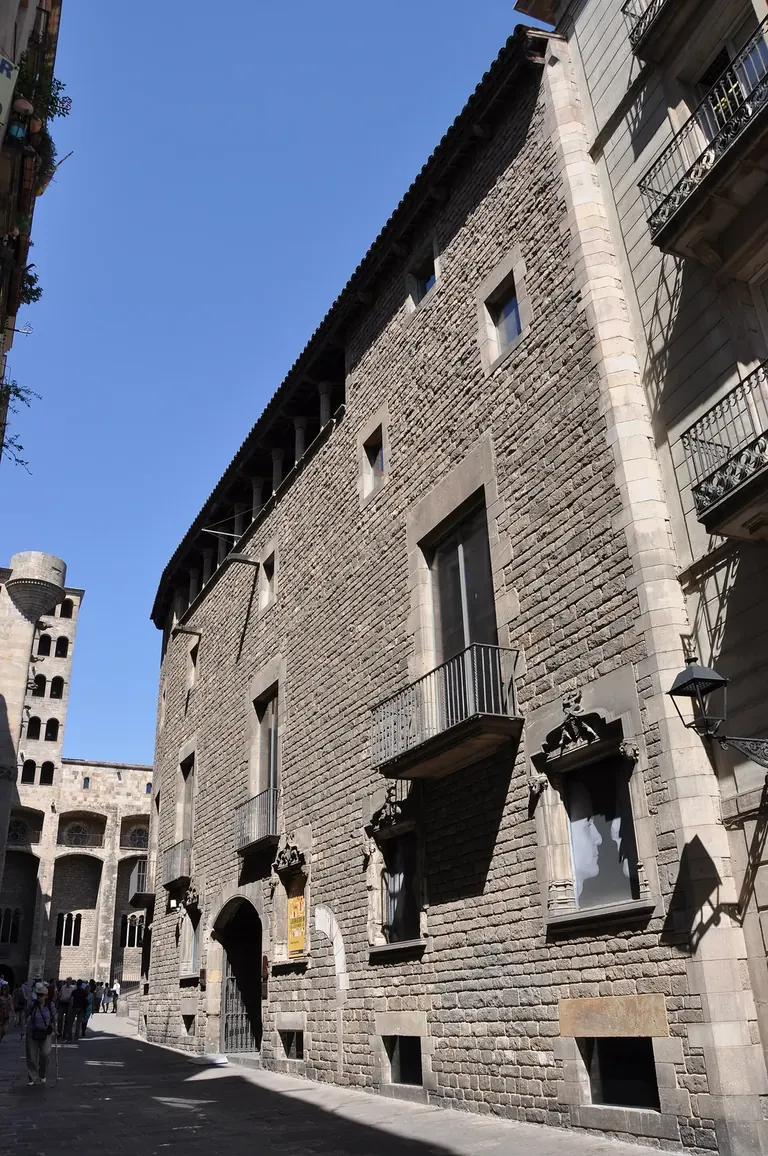
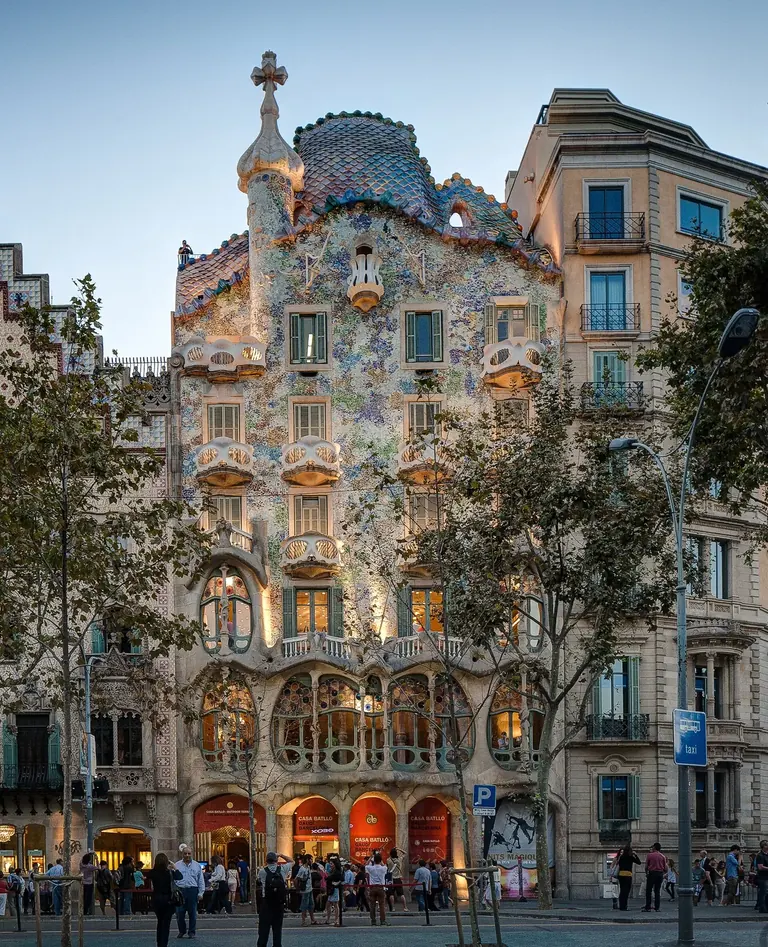
Image credits
9
- Pere Portabella: The Committed GazeMACBA Collection. Gift of Pere Portabella. © Pere Portabella
- The Cult of BeautyJavier Jaén / CCCB
- Barcelona Materials: Local Materials for Regenerative ArchitectureCourtesy of Museu d'Història de Barcelona (MUHBA)
- Gaudí-Miró-Gomis: DeconstructedCourtesy of Casa Batlló
- MACBA – Museu d'Art Contemporani de BarcelonaZarateman / Wikimedia Commons, CC0
- CCCB – Centre de Cultura Contemporània de BarcelonaFred Romero / Wikimedia Commons, CC BY 2.0
- Museu Frederic MarèsEnfo / Wikimedia Commons, CC BY-SA 4.0
- Museu d'Història de Barcelona (MUHBA)J Irigoyen / Wikimedia Commons, CC BY-SA 3.0
- Casa BatllóChristianSchd / Wikimedia Commons, CC BY-SA 3.0