 i
MACBA – Museu d'Art Contemporani de BarcelonaRaval
Aurèlia Muñoz. Beings
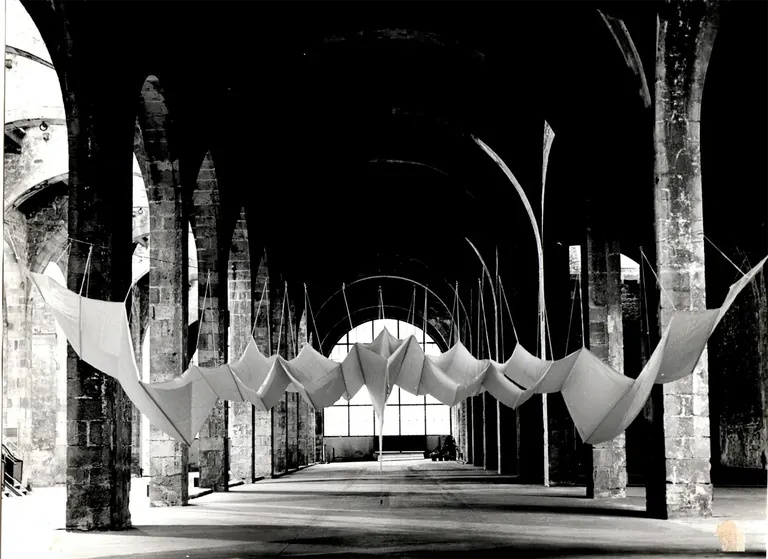
A full survey of textile artist Aurèlia Muñoz, from early collages and embroideries to unseen large macramé structures, her iconic kite-sculptures and late handmade-paper installations.
More in Barcelona
Preview: written before the show opened
Over 150 works, many never shown before, make up this retrospective of Aurèlia Muñoz (Barcelona, 1926 to 2011). At the Reina Sofía in Madrid it ran through six rooms: 1960s pictorial embroideries, knotted sculptures, 1970s macramé, the bird-kites of the 1980s, paper pulp, and oceanic forms such as anemones, algae and jellyfish.
Lenders include the Aurèlia Muñoz Archive, the MNAC and MoMA. Àguila Beix, a 1977 macramé, measures nearly four metres wide. The biggest macramé you own is a Wallapop plant hanger.
MACBA frames the work as a response to the early crises of the post-industrial world, watching land, water and air ecosystems. The show opens on 5 November with a two-day international symposium, and guided visits run on Sundays from 15 November. The room order above is Madrid's.
Editor's pick
Àguila Beix, a macramé eagle four metres wide, is one of more than 150 works, many never shown before, with loans from MoMA and MNAC. Also here: her 1980s bird-kites and a 4.75-metre homage to Bosch.
Look for
Homenaje a Jerónimo Bosco (1971)
An embroidery on jute that measures 300 x 475 cm, hung as a wall-sized picture.
Àguila Beix (1977)
A macramé eagle, about 183 x 396 x 381 cm, knotted as a freestanding sculpture.
Ondulacions (1974)
A nylon macramé structure of 240 x 240 x 240 cm.
Ocell-estel B2 (1982)
One of the bird-kite sculptures, the series she is best known for.
Libros aéreos (1985 to 1987)
Books made of handmade paper and wooden rods, from her late paper work.
Good for
- Nerding Out
- Out-Of-Town Guests
Also at MACBA – Museu d'Art Contemporani de Barcelona
On now nearby

Nearby
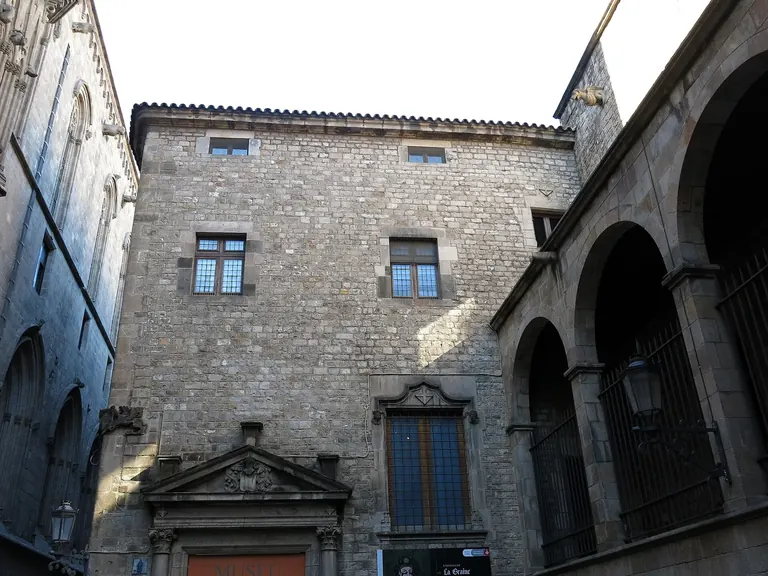
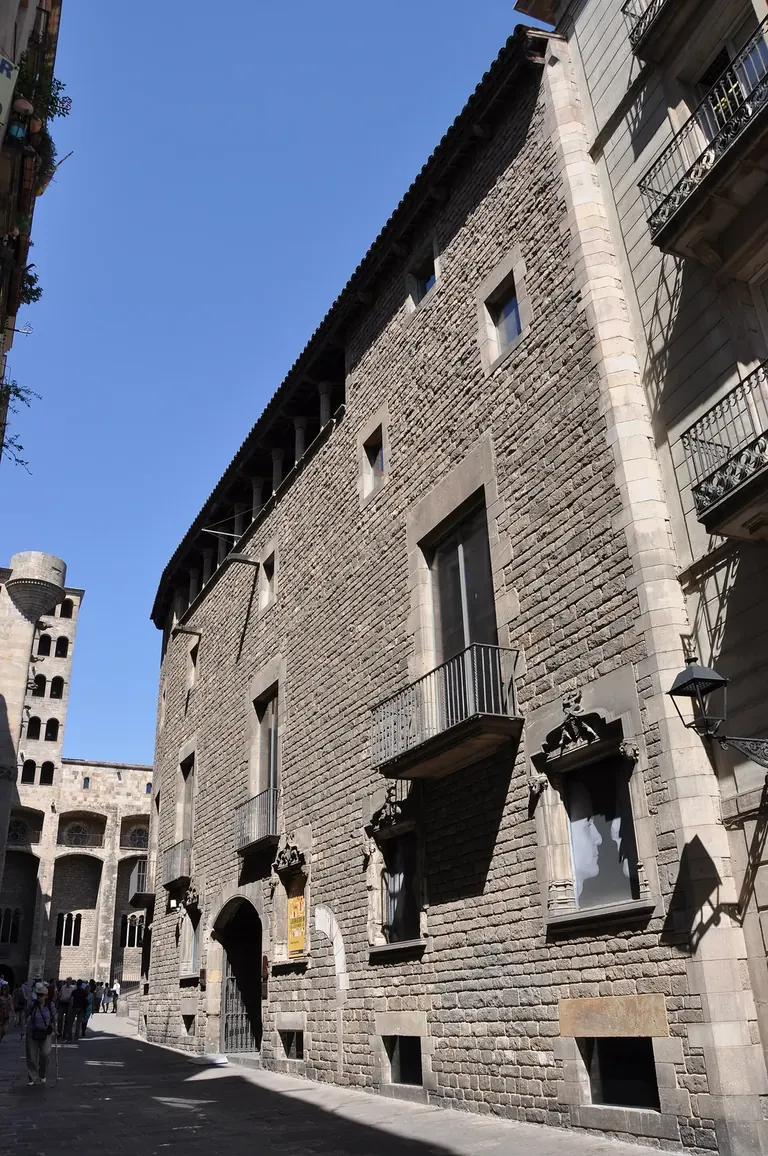
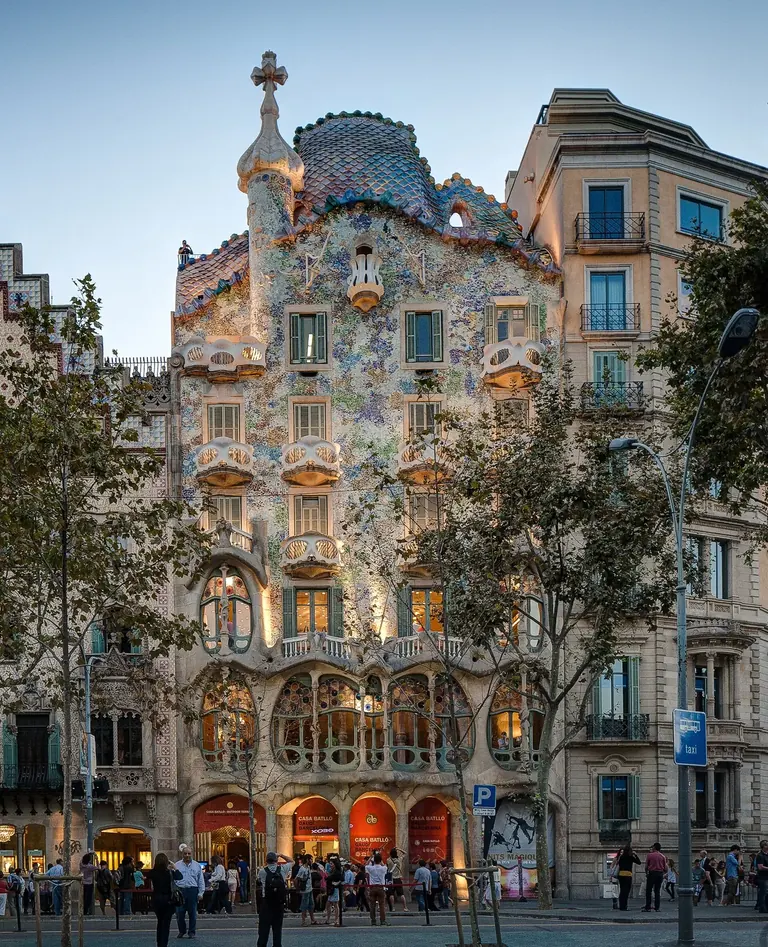
Image credits
9
- Aurèlia Muñoz. BeingsMACBA Collection, on deposit from the Generalitat de Catalunya. Photo: Josep Gri
- The Cult of BeautyJavier Jaén / CCCB
- Barcelona Materials: Local Materials for Regenerative ArchitectureCourtesy of Museu d'Història de Barcelona (MUHBA)
- Gaudí-Miró-Gomis: DeconstructedCourtesy of Casa Batlló
- MACBA – Museu d'Art Contemporani de BarcelonaZarateman / Wikimedia Commons, CC0
- CCCB – Centre de Cultura Contemporània de BarcelonaFred Romero / Wikimedia Commons, CC BY 2.0
- Museu Frederic MarèsEnfo / Wikimedia Commons, CC BY-SA 4.0
- Museu d'Història de Barcelona (MUHBA)J Irigoyen / Wikimedia Commons, CC BY-SA 3.0
- Casa BatllóChristianSchd / Wikimedia Commons, CC BY-SA 3.0