 i
National Museum of the American IndianNational Mall
Nation to Nation: Treaties Between the United States and American Indian Nations
Original treaties on loan from the National Archives, wampum belts and peace medals tell the story of US–Native diplomacy from the colonial era to the present.
More in Washington, DC
Before you reach a single treaty, the first room sets two worldviews side by side: land held broadly against land held by deed, leadership spread across a community against one signature, and a spoken promise that binds harder than a sealed one. Paired Native and US "viewpoint" panels run through the whole show.
It is a chronological walk through 8,000 square feet on the fourth level. The early treaties of a young republic give way to the 19th-century "bad paper" that Philip Kennicott of the Washington Post called "little more than formalized theft", then to the 20th-century fight to have treaties honoured. The 125-plus objects include wampum belts, peace medals and textiles, and one original treaty from the National Archives is shown at a time, swapped about every six months.
Kennicott found it "clear, comprehensive" and full of "maddening details". His one complaint in 2014: video sound made the wall texts hard to read. Admission is free with no timed tickets, and it runs until January 2028.
Look for
The original treaty case
Look for the one signed treaty on loan from the National Archives, parchment with ink and seals, changed about every six months, so which nation's treaty you see depends on when you go.
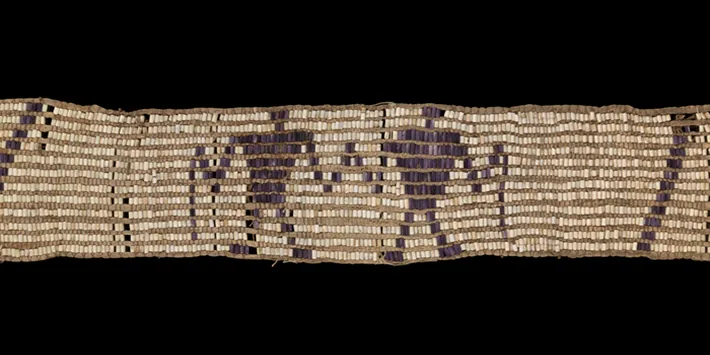
The Wendat (Huron) wampum belt
A belt from 1600 to 1650 woven from whelk and quahog shell beads, the kind of object Native diplomats used to record an agreement.
The 1734 painting of the Georgia trustees
British colonial officials in formal dress face a Creek delegation in their own clothing, the clash of two ways of being that the show is built on.
The Phoenix Indian school photograph
A 1900 photograph, printed at large scale, of Native schoolgirls praying beside their beds, which Kennicott called haunting.
The Agua Caliente casino chips
Poker chips and playing cards from a Southern California tribal casino, in the last section on treaty rights won back in the 20th century.
Good for
- Cheap Culture
- Nerding Out
- Rainy Days
Skip if
You want a light visit: these are text-dense panels on removals, forced schooling and broken promises.
Also at National Museum of the American Indian
On now nearby
Nearby
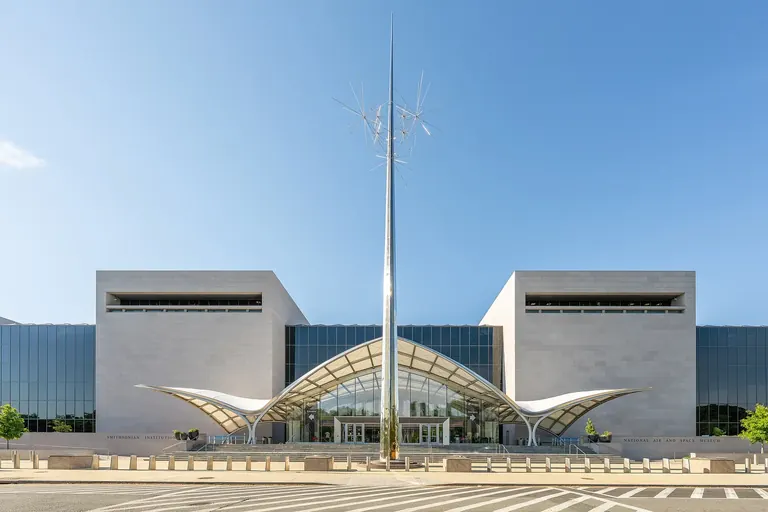
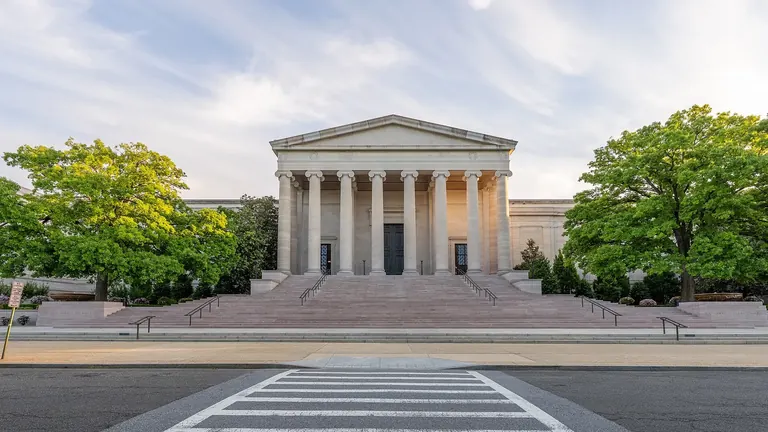
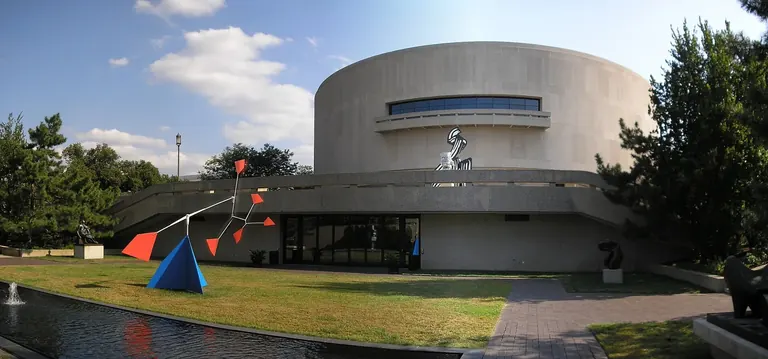
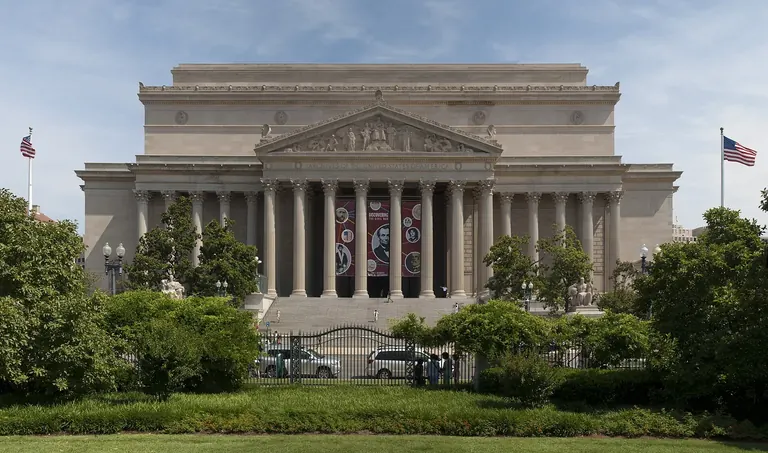
Image credits
8
- Nation to Nation: Treaties Between the United States and American Indian NationsCourtesy of National Museum of the American Indian
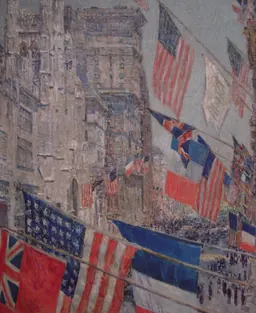
- American Icon: The US Flag in ArtChilde Hassam / Wikimedia Commons, Public domain
- In the Library: Reimagining America by DesignNational Gallery of Art
- National Museum of the American IndianCarol M. Highsmith / Library of Congress, via Wikimedia Commons, Public domain
- National Air and Space Museumajay_suresh via Wikimedia Commons, CC BY 4.0
- National Gallery of Artajay_suresh / Wikimedia Commons, CC BY 4.0
- Hirshhorn Museum and Sculpture GardenGryffindor, via Wikimedia Commons, Public domain
- National Archives MuseumDavid Samuel (Hellodavey1902) via Wikimedia Commons, CC BY-SA 3.0