 i
National Museum of the American Indian
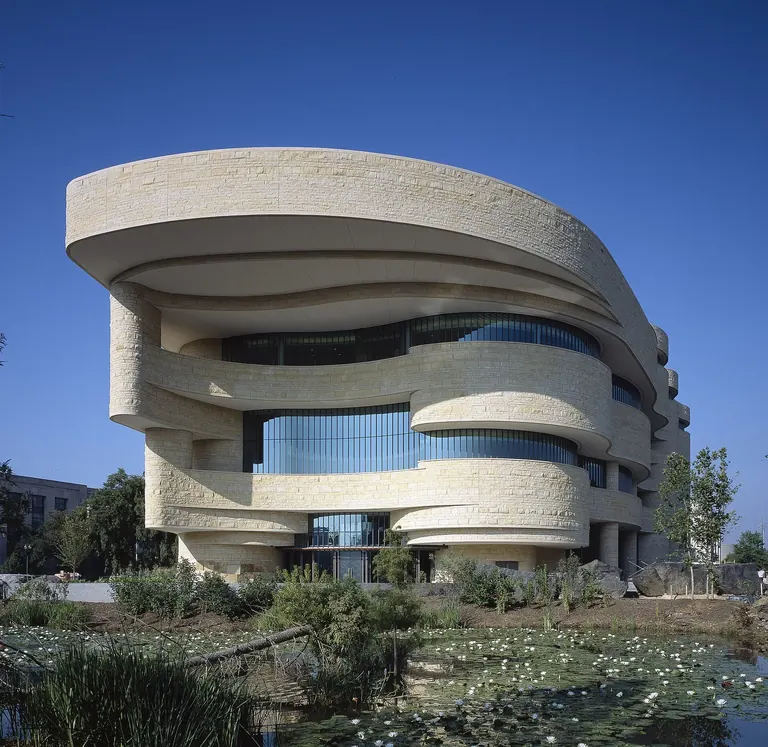
Opened in 2004 as the first national museum devoted entirely to Native peoples, the Smithsonian's National Museum of the American Indian occupies a five-storey, Kasota limestone building designed by Douglas Cardinal (Blackfoot) to look weathered by wind and water. Every exhibition is developed with and presented from the perspective of Native communities, drawing on a collection of some 800,000 objects spanning the whole hemisphere. Highlights include the treaty exhibition Nation to Nation, the pop-culture reckoning of Americans, and the outdoor National Native American Veterans Memorial. The Mitsitam Native Foods Cafe serves Indigenous regional cooking and is a destination in its own right.
More in Washington, DC
What's On
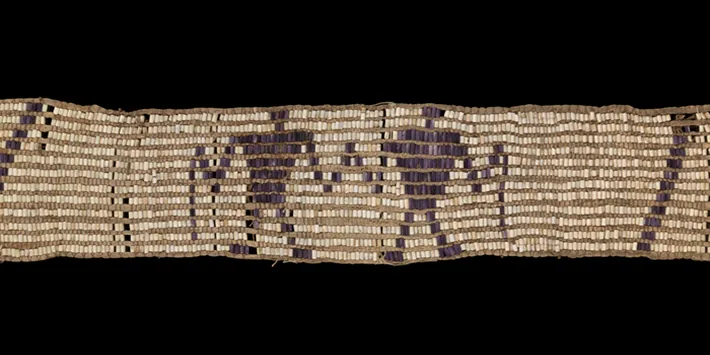
Nation to Nation: Treaties Between the United States and American Indian Nations
Original treaties on loan from the National Archives, wampum belts and peace medals tell the story of US–Native diplomacy from the colonial era to the present.
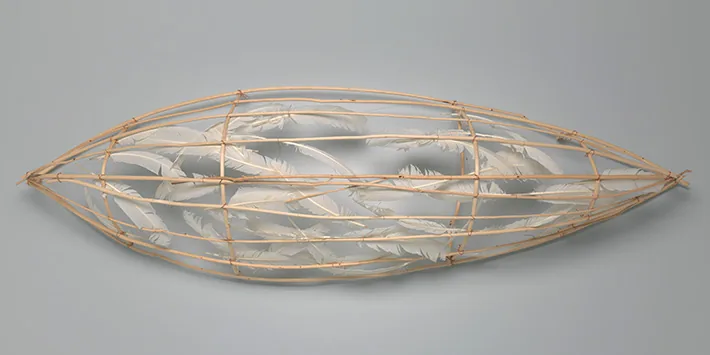
Water's Edge: The Art of Truman Lowe
The first major retrospective of Hoocąk sculptor Truman Lowe: nearly 50 works in willow, feathers and pigment that evoke the rivers, waterfalls and canoes of the Wisconsin woodlands.
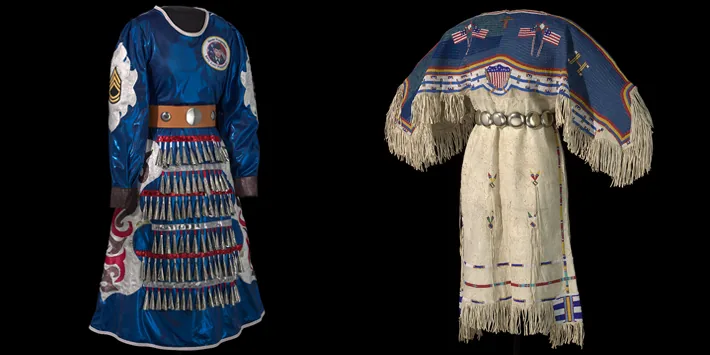
Making a Statement
Two beaded dresses made a century apart — a Lakota Fourth of July dress and a Native American Women Warriors colour guard dress — on Native women, service and identity. Runs through spring 2027.
Permanent Collections
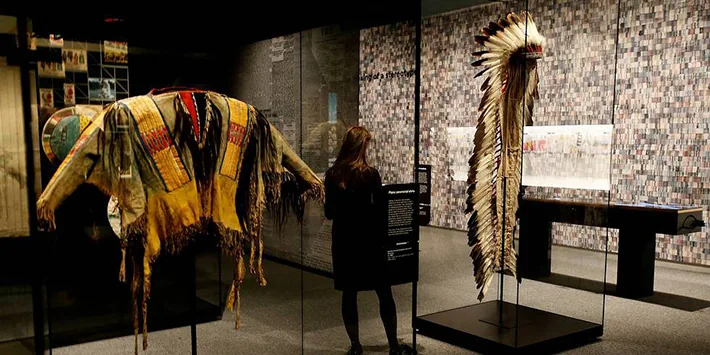
Americans
A wall of Indian imagery from Land O'Lakes butter to the Tomahawk missile, then three deep dives — Pocahontas, the Trail of Tears and Little Bighorn — asking why Native images are everywhere.
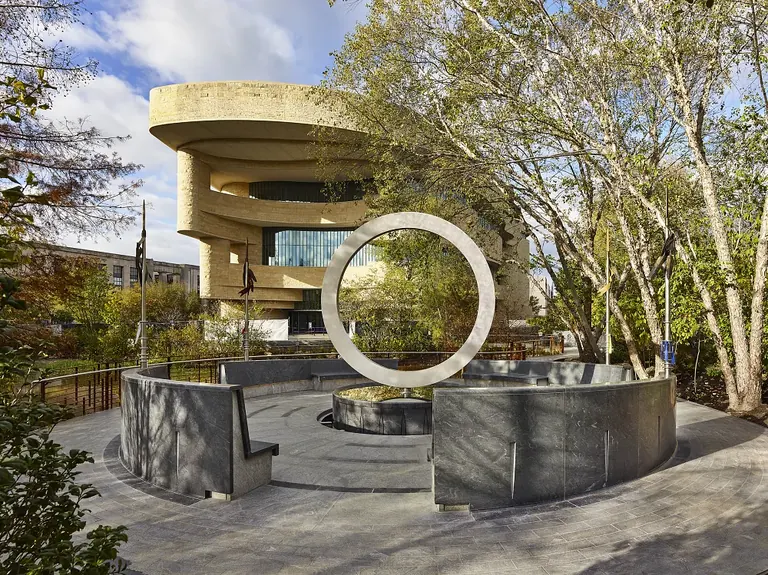
National Native American Veterans Memorial
Harvey Pratt's steel circle over a drum-shaped stone base, on the museum's grounds, honours Native American, Alaska Native and Native Hawaiian veterans. Outdoors and open 24 hours.
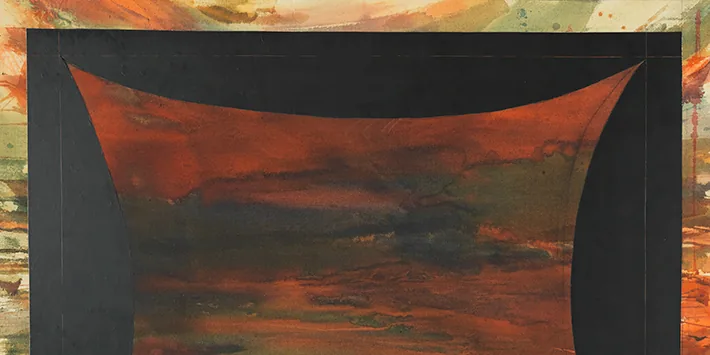
Stretching the Canvas: Ten Decades of Native Painting
More than 50 works by over 40 artists — from Fred Kabotie and Tonita Peña to Kay WalkingStick, Jeffrey Gibson and Athena LaTocha — tracing a century of Native painters redefining what Native art can be.
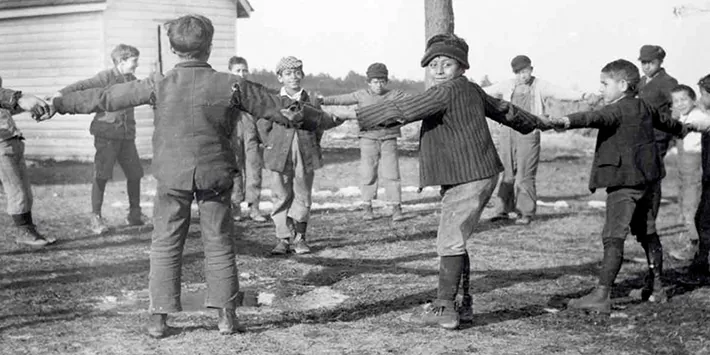
Return to a Native Place: Algonquian Peoples of the Chesapeake
A compact Level 2 gallery on the Algonquian peoples of the Chesapeake Bay region — the Native homeland on which Washington, DC itself stands — from first contact to today.
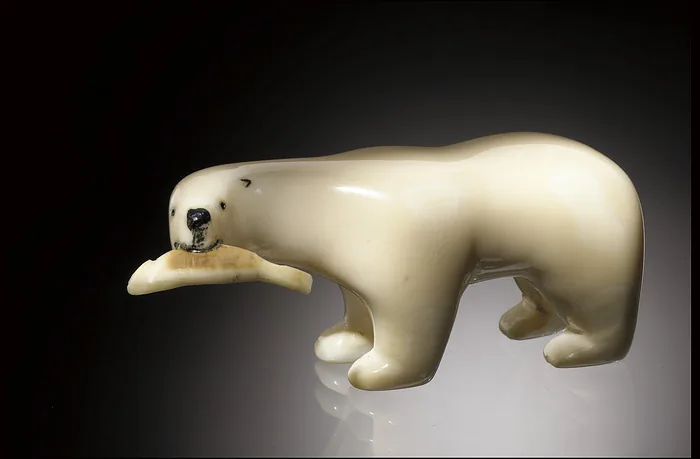
Window on Collections
Around 3,500 objects — beadwork, dolls, containers, animal figures, weaponry — massed in glass cases across Levels 3 and 4, showing the sheer range of the museum's hemispheric collection.
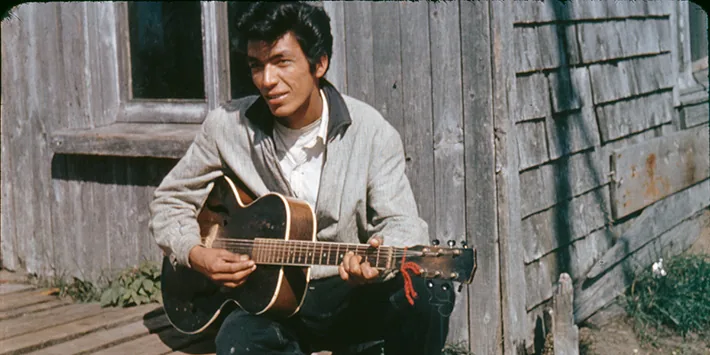
InSight: Photos and Stories from the Archives
Photographs drawn from the museum's half-million-image Archive Center: social gatherings, family portraits and quiet moments giving an intimate view of Indigenous lives across the Americas.
Plan Your Visit
Getting there
Fourth Street & Independence Avenue SW, Washington, DC 20560, United States
Nearest station: L'Enfant Plaza (Metro) and Federal Center SW (Metro)
Show on mapHours
| Mon | 10:00–17:30 |
| Tue | 10:00–17:30 |
| Wed | 10:00–17:30 |
| Thu | 10:00–17:30 |
| Fri | 10:00–17:30 |
| SatToday | 10:00–17:30 |
| Sun | 10:00–17:30 |
Admission
Free
Admission is always free; no tickets or timed passes required.
Last verified
Nearby
Visitor Information
- Is National Museum of the American Indian free to visit?
- Yes, general admission to National Museum of the American Indian is free. Admission is always free; no tickets or timed passes required.. Some special exhibitions may charge a separate ticket, so check the museum's website before visiting.
- What are the opening hours of National Museum of the American Indian?
- National Museum of the American Indian is open Open daily 10:00–17:30. Closed 25 December. The Lelawi Theater is currently closed; the outdoor National Native American Veterans Memorial is open 24 hours a day.. Holiday hours can vary, so check the museum's website before you go.
- Where is National Museum of the American Indian?
- National Museum of the American Indian is located at Fourth Street & Independence Avenue SW, Washington, DC 20560, United States, in the National Mall area of Washington, DC. The nearest stations are L'Enfant Plaza (Metro) and Federal Center SW (Metro).
- What can I see at National Museum of the American Indian?
- Curving golden-limestone landmark on the Mall where Native nations tell the story of the Americas in their own words. Current highlights include Nation to Nation: Treaties Between the United States and American Indian Nations, Making a Statement and Water's Edge: The Art of Truman Lowe.
- Do I need to book National Museum of the American Indian in advance?
- National Museum of the American Indian is free to enter and most days you can walk in. Admission is always free; no tickets or timed passes required.. For special exhibitions, weekends, and school holidays, booking a timed slot can help you skip queues. Check the museum's website for current requirements.
- When is the best time to visit National Museum of the American Indian?
- Weekday mornings shortly after opening are typically the quietest, especially mid-week. Late afternoons can also be calmer. Weekends, school holidays, and the lunch rush are the busiest periods.
Image credits
14
- National Museum of the American IndianCarol M. Highsmith / Library of Congress, via Wikimedia Commons, Public domain
- Nation to Nation: Treaties Between the United States and American Indian NationsCourtesy of National Museum of the American Indian
- Making a StatementCourtesy of National Museum of the American Indian
- Water's Edge: The Art of Truman LoweCourtesy of National Museum of the American Indian
- AmericansCourtesy of National Museum of the American Indian
- National Native American Veterans MemorialCourtesy of National Museum of the American Indian
- Stretching the Canvas: Ten Decades of Native PaintingCourtesy of National Museum of the American Indian
- Return to a Native Place: Algonquian Peoples of the ChesapeakeCourtesy of National Museum of the American Indian
- Window on CollectionsCourtesy of National Museum of the American Indian
- InSight: Photos and Stories from the ArchivesCourtesy of National Museum of the American Indian
- National Air and Space Museumajay_suresh via Wikimedia Commons, CC BY 4.0
- National Gallery of Artajay_suresh / Wikimedia Commons, CC BY 4.0
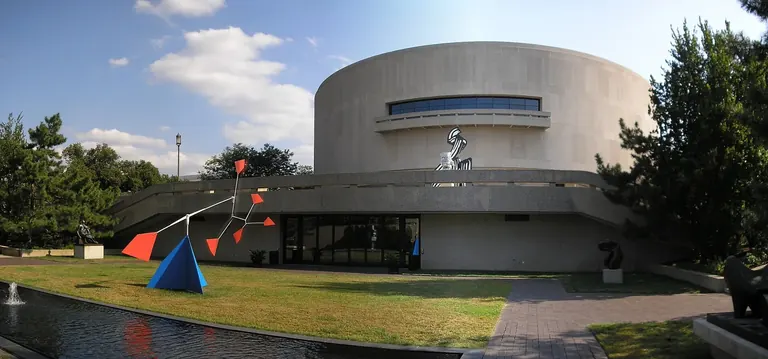
- Hirshhorn Museum and Sculpture GardenGryffindor, via Wikimedia Commons, Public domain
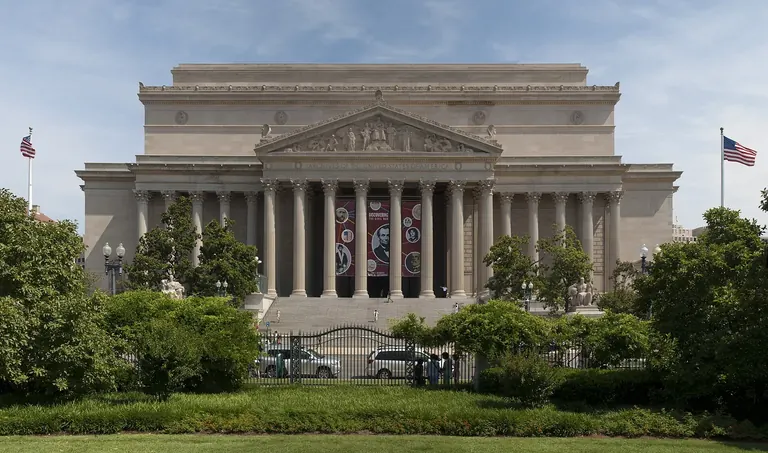
- National Archives MuseumDavid Samuel (Hellodavey1902) via Wikimedia Commons, CC BY-SA 3.0