 i
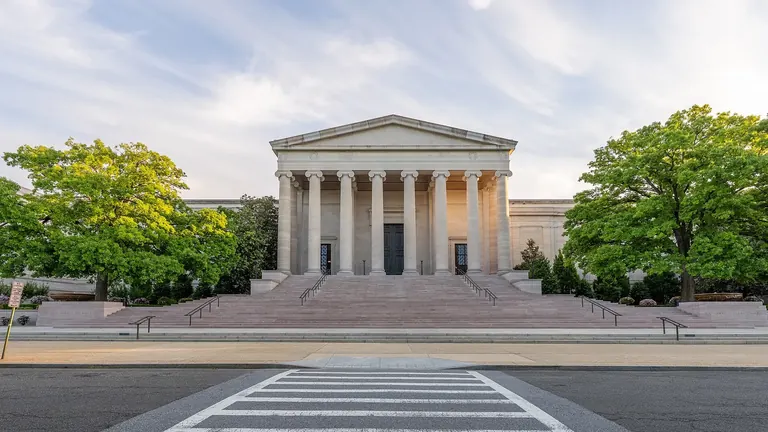
National Gallery of Art
Created for the nation in 1937 by an act of Congress and endowed by Andrew W. Mellon, the National Gallery of Art spans three connected parts. John Russell Pope's domed neoclassical West Building (1941) carries European and American art from the Middle Ages to the late 19th century, including Leonardo da Vinci's Ginevra de' Benci — the only Leonardo painting in the Americas — alongside Raphael, Vermeer, Rembrandt, Monet and van Gogh. I. M. Pei's sharp-angled East Building (1978) handles modern and contemporary art, with a monumental Calder mobile in its atrium and tower galleries devoted to Calder and Rothko. Across 7th Street, the 6.1-acre Sculpture Garden rings a central fountain with works by Louise Bourgeois, Roy Lichtenstein and others. Admission has been free since the day it opened.
More in Washington, DC
What's On
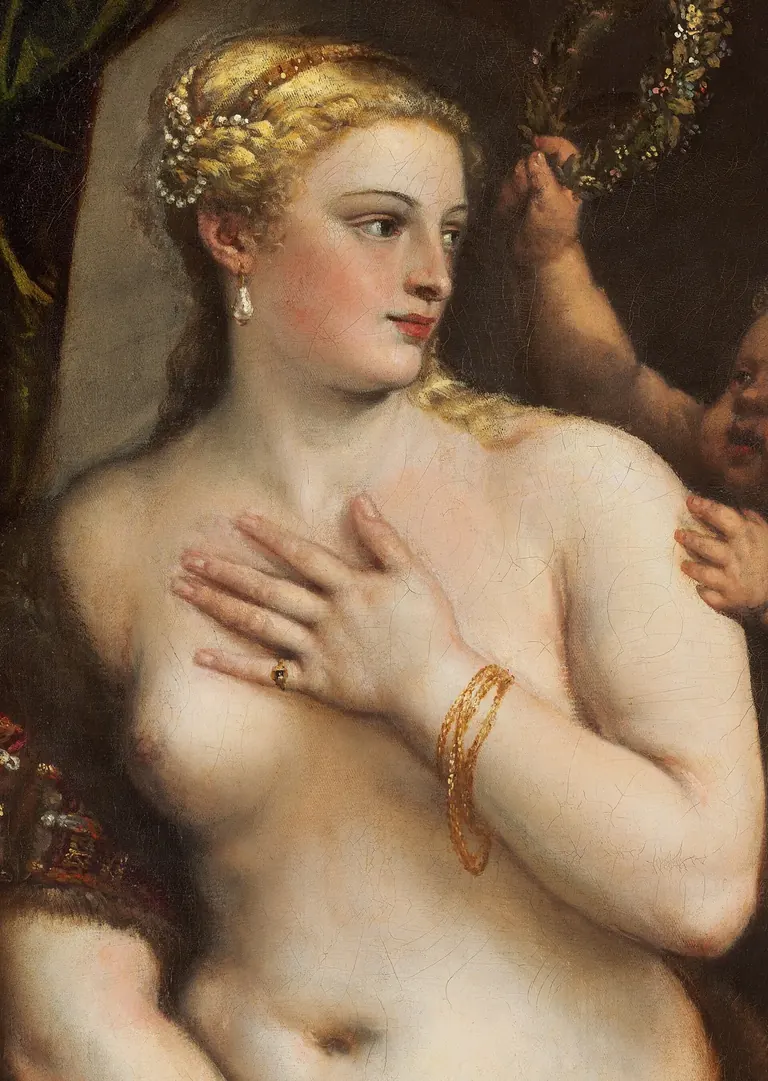
Back and Forth
Four paintings across six centuries — Titian, Cezanne and Rozeal. — hung together to show how artists answer the art history they inherit.
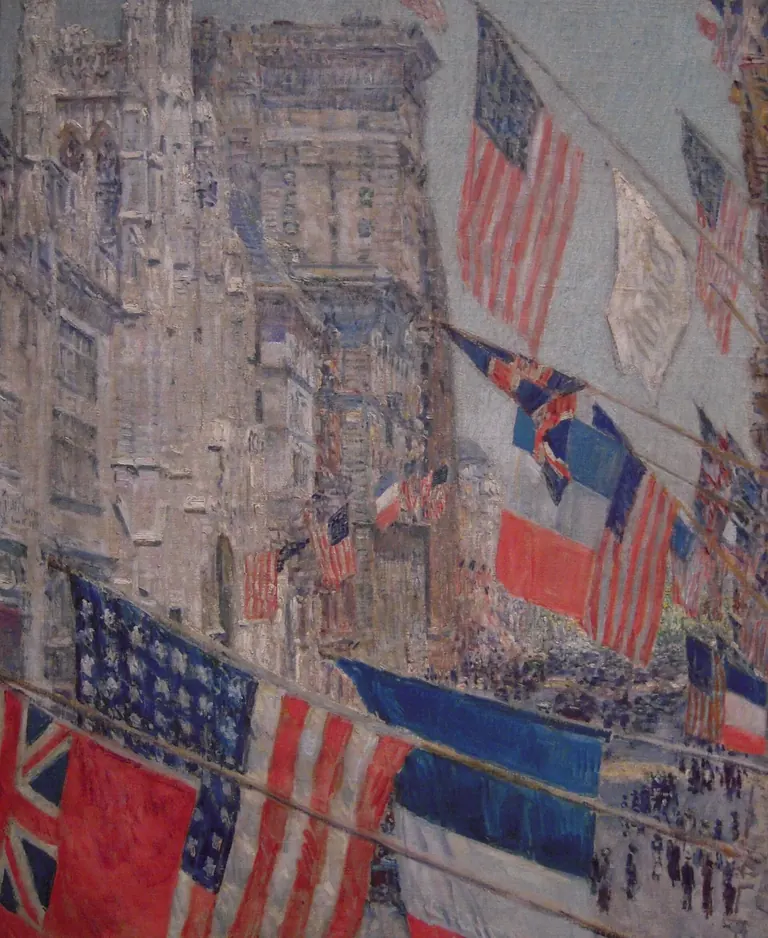
American Icon: The US Flag in Art
Over 30 works — Jasper Johns, Faith Ringgold, Gordon Parks, Childe Hassam, Dorothea Lange — on how the Stars and Stripes has served as pride, protest and raw material since the late 1800s.
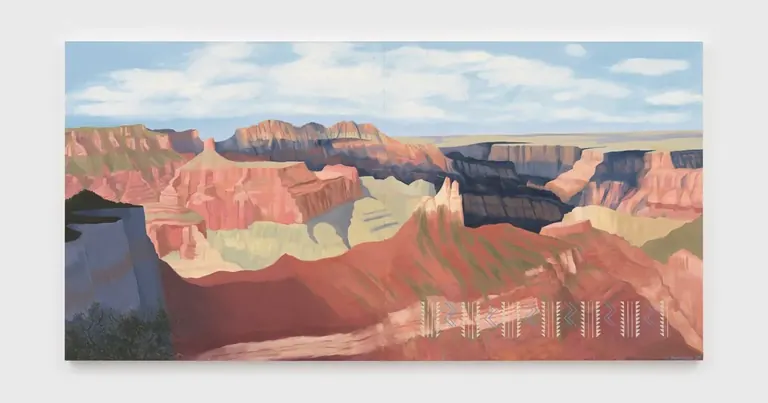
Homelands
What does it mean to have a "homeland" when it's shaped by movement, memory, and change? East Building Mezzanine.
Sky Hopinka: Kicking the Clouds
Photographs, poems and film in which Ho-Chunk artist Sky Hopinka threads together family, language, place and lived Indigenous experience.
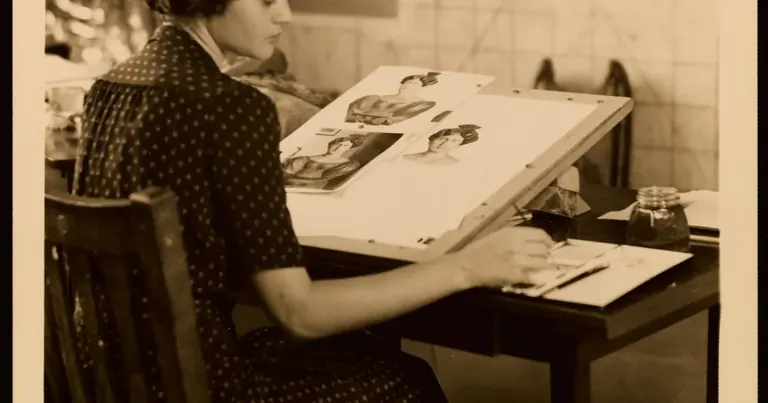
In the Library: Reimagining America by Design
See the Great Depression-era Index of American Design through the eyes of today's college students, in the East Building Library Atrium.
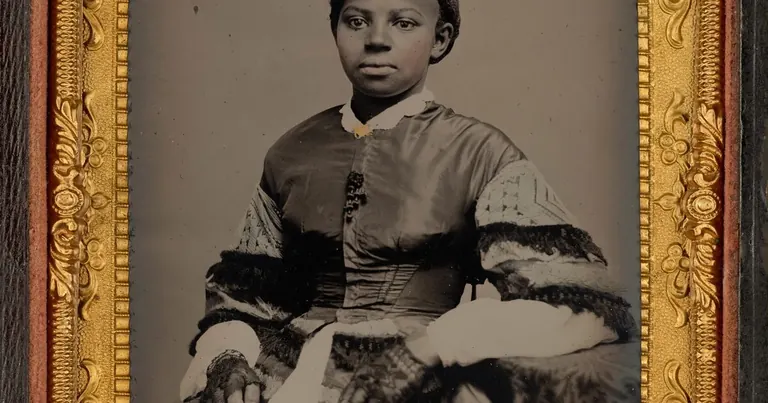
Remember Me: Picturing African Americans in Early Photography
Remarkable early photographs of and by Black Americans that tell powerful stories of identity, resilience, and self-representation. West Building.
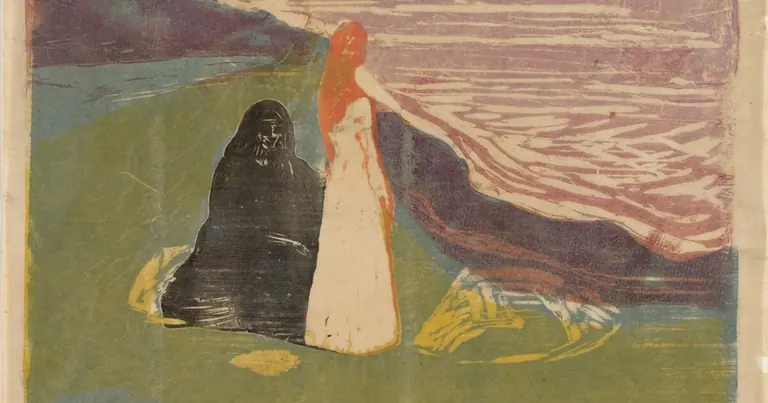
Tinker Tinker: Printmakers at Work
An intimate look at how artists like Pablo Picasso, Mary Cassatt, and Rembrandt experimented, revised, and problem-solved through printmaking. West Building.
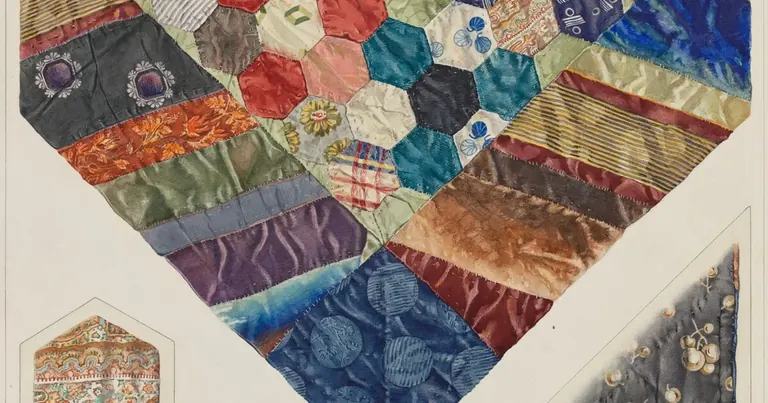
Women and the Index of American Design
Nearly 50 drawings examine women's roles in the Depression-era art project that sought to document American designs in applied, decorative, and folk art. East Building.
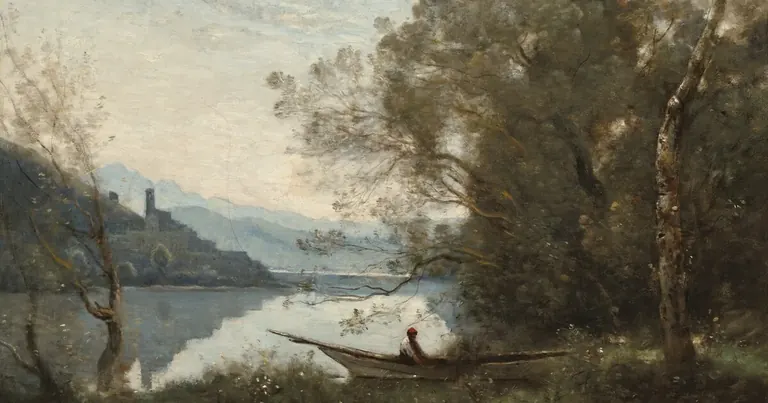
Souvenirs of the Gilded Age: French Landscapes from the Corcoran Collection
Once coveted by America's wealthy, these landscape paintings were largely lost to history. West Building.
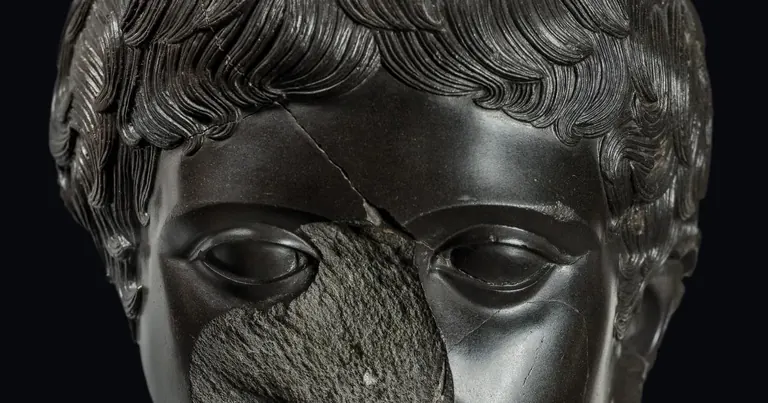
Broken: The Power of the Fragment in Sculpture
How a fragment tells a whole story. West Building, Main Floor.
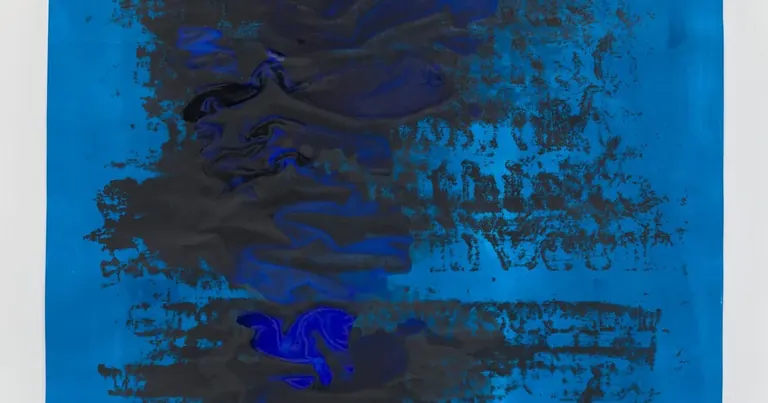
Glenn Ligon: Subtext
One of today's most influential artists proposes new ways of seeing art and histories through language. East Building.
Permanent Collections
West Building Sculpture Galleries
Ground-floor galleries of European sculpture, from a distinguished group of Italian Renaissance bronze statuettes to the Rodins made for his American patrons.
East Building: Modern and Contemporary Collection
I. M. Pei's wedge-shaped building holds around 500 works across five floors, a monumental Calder mobile in the atrium, the world's largest Calder gallery and a rotating Rothko room.
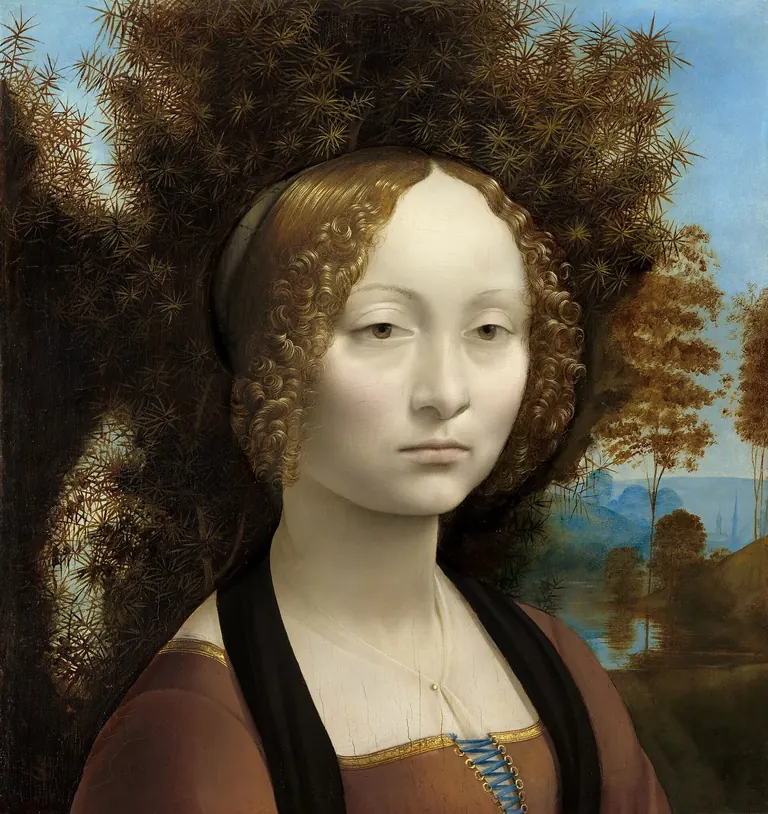
Ginevra de' Benci by Leonardo da Vinci
The only Leonardo painting in the Americas: a 16-year-old Florentine framed by juniper, bought from the Princes of Liechtenstein in 1967 and flown over in a padded suitcase.
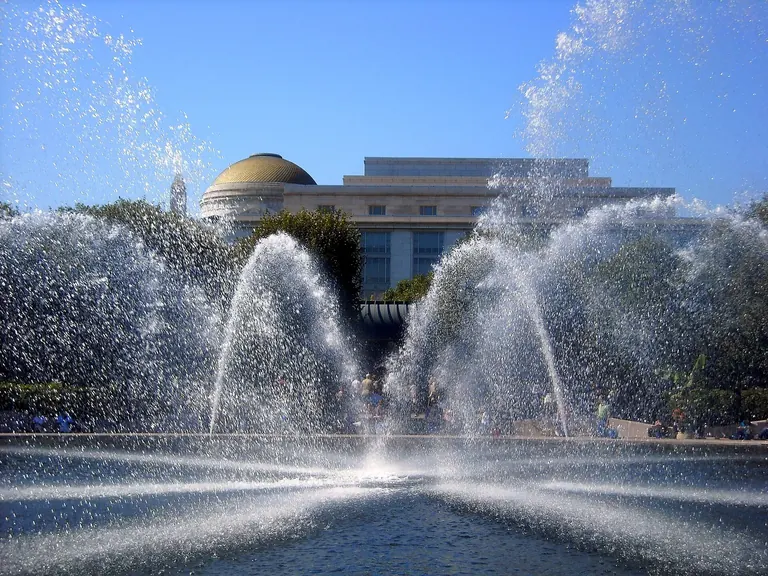
The Sculpture Garden
A 6.1-acre garden around a central fountain, with monumental works by Louise Bourgeois, Roy Lichtenstein, Claes Oldenburg and others. Jazz on summer Fridays, an ice rink in winter.
Plan Your Visit
Getting there
Constitution Avenue NW, between 3rd and 9th Streets NW, Washington, DC 20565, United States
Nearest station: Archives–Navy Memorial–Penn Quarter (Green, Yellow lines), Judiciary Square (Red line) and Smithsonian (Blue, Orange, Silver lines)
Show on mapHours
| Mon | 10:00–17:00 |
| Tue | 10:00–17:00 |
| Wed | 10:00–17:00 |
| Thu | 10:00–17:00 |
| Fri | 10:00–17:00 |
| SatToday | 10:00–17:00 |
| Sun | 10:00–17:00 |
Admission
Free
Admission is always free; no timed passes are required for the permanent collection or special exhibitions.
Last verified
Nearby
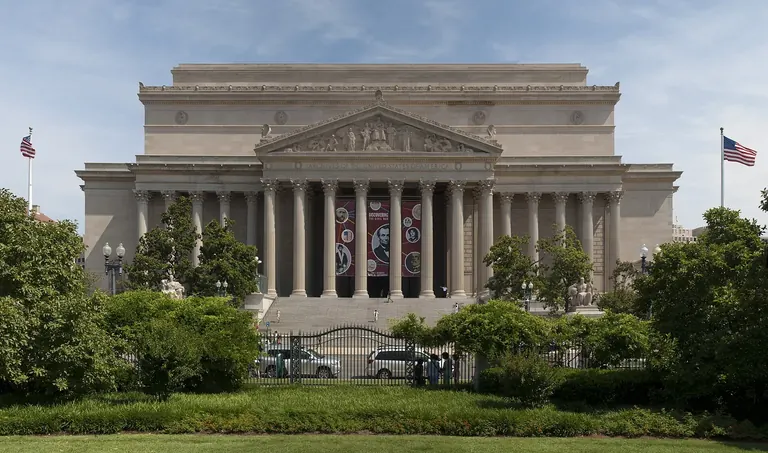
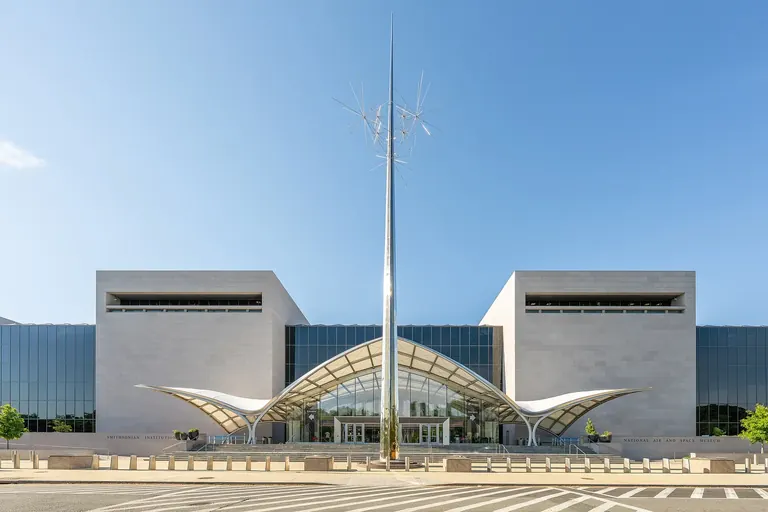
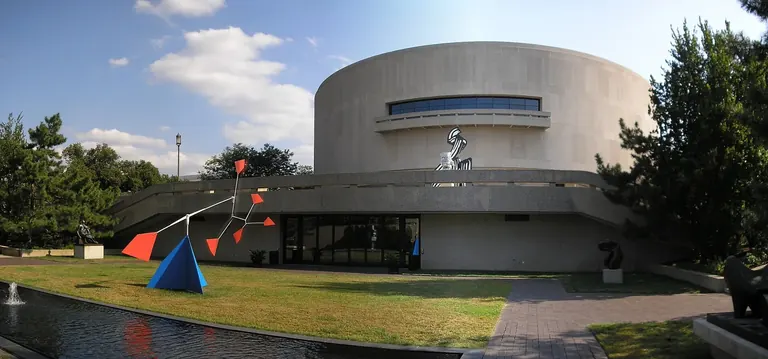
Visitor Information
- Is National Gallery of Art free to visit?
- Yes, general admission to National Gallery of Art is free. Admission is always free; no timed passes are required for the permanent collection or special exhibitions.. Some special exhibitions may charge a separate ticket, so check the museum's website before visiting.
- What are the opening hours of National Gallery of Art?
- National Gallery of Art is open Open daily 10:00–17:00. Closed 25 December and 1 January. The Sculpture Garden keeps the same daily hours, but stays open until 20:00 Wednesday–Saturday during the summer season (roughly early June to early September), when Jazz in the Garden runs on Fridays.. Holiday hours can vary, so check the museum's website before you go.
- Where is National Gallery of Art?
- National Gallery of Art is located at Constitution Avenue NW, between 3rd and 9th Streets NW, Washington, DC 20565, United States, in the National Mall area of Washington, DC. The nearest stations are Archives–Navy Memorial–Penn Quarter (Green, Yellow lines), Judiciary Square (Red line) and Smithsonian (Blue, Orange, Silver lines).
- What can I see at National Gallery of Art?
- Two landmark buildings and a sculpture garden on the National Mall, holding America's only Leonardo — and always free. Current highlights include West Building Sculpture Galleries, East Building: Modern and Contemporary Collection and Glenn Ligon: Subtext.
- Do I need to book National Gallery of Art in advance?
- National Gallery of Art is free to enter and most days you can walk in. Admission is always free; no timed passes are required for the permanent collection or special exhibitions.. For special exhibitions, weekends, and school holidays, booking a timed slot can help you skip queues. Check the museum's website for current requirements.
- When is the best time to visit National Gallery of Art?
- Weekday mornings shortly after opening are typically the quietest, especially mid-week. Late afternoons can also be calmer. Weekends, school holidays, and the lunch rush are the busiest periods.
Image credits
17
- National Gallery of Artajay_suresh / Wikimedia Commons, CC BY 4.0
- Glenn Ligon: SubtextNational Gallery of Art
- Women and the Index of American DesignNational Gallery of Art
- Back and ForthTiziano Veceliio / Wikimedia Commons, Public domain
- Ginevra de' Benci by Leonardo da VinciLeonardo da Vinci / Wikimedia Commons, Public domain
- Souvenirs of the Gilded Age: French Landscapes from the Corcoran CollectionNational Gallery of Art
- The Sculpture GardenAgnosticPreachersKid at en.wikipedia / Wikimedia Commons, CC BY-SA 3.0
- American Icon: The US Flag in ArtChilde Hassam / Wikimedia Commons, Public domain
- HomelandsNational Gallery of Art
- Broken: The Power of the Fragment in SculptureNational Gallery of Art
- In the Library: Reimagining America by DesignNational Gallery of Art
- Remember Me: Picturing African Americans in Early PhotographyNational Gallery of Art
- Tinker Tinker: Printmakers at WorkNational Gallery of Art
- National Archives MuseumDavid Samuel (Hellodavey1902) via Wikimedia Commons, CC BY-SA 3.0
- National Air and Space Museumajay_suresh via Wikimedia Commons, CC BY 4.0
- Hirshhorn Museum and Sculpture GardenGryffindor, via Wikimedia Commons, Public domain
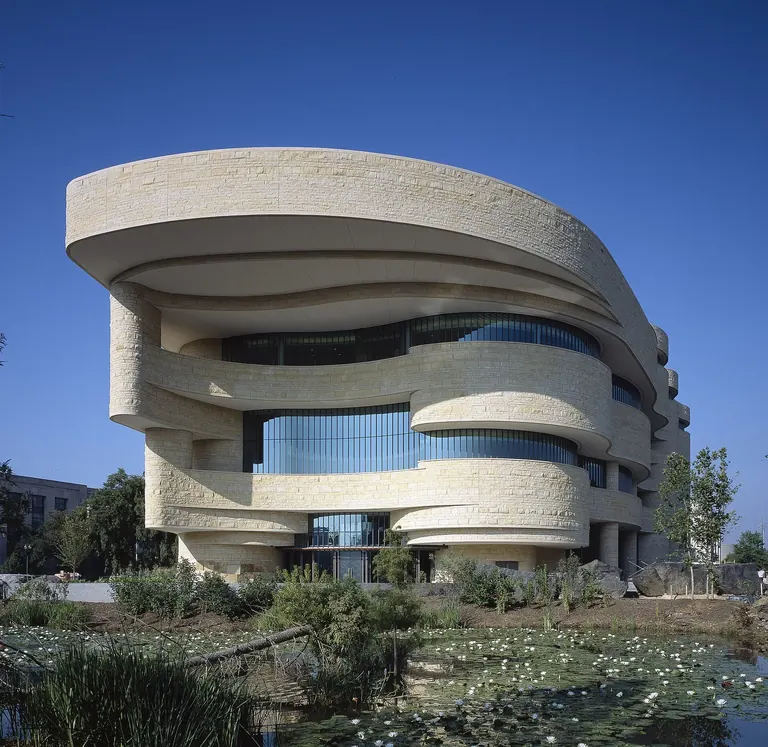
- National Museum of the American IndianCarol M. Highsmith / Library of Congress, via Wikimedia Commons, Public domain