 i
IA&A at HillyerDupont Circle
Re-Inhabiting Conservation: Our Shared Skies
Over two dozen artists and writers from six countries take on wildlife conservation through creatures of flight. Curated by Heather McMordie for the nonprofit Creature Conserve.
More in Washington, DC
Alexa Brooks drew a landscape of wind turbines in a pair of graphite drawings and turned the towers and blades into something like lace. The curators chose it for what sits under the prettiness: those turbines kill birds and bats.
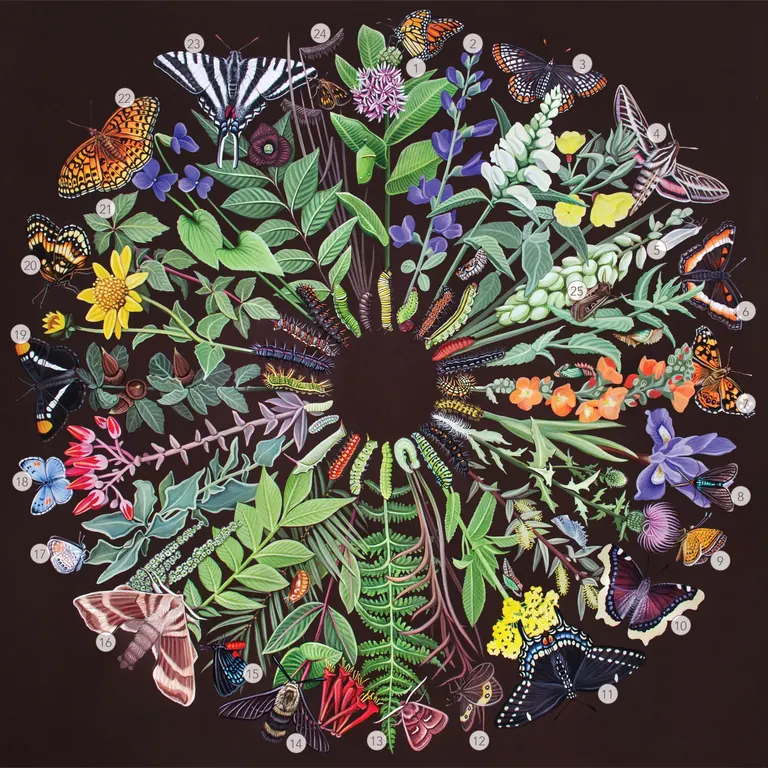
Everything here is about things that fly: birds, insects, even mammals. Creature Conserve, a Rhode Island nonprofit that brings artists, scientists and writers together, picked over two dozen artists and writers from six countries, and each work takes a different angle on conservation. You move from Christopher Brinkman's photographs of wildlife rehabilitation to Catie Michel's 36-inch-square panel, where caterpillars on their host plants get the spotlight usually given to butterflies.
Go for art built on science, and expect a message too: the gallery says the works "urge us to actively commit" to caring for wildlife. Admission is free with a suggested $10 donation, Tuesday to Friday 12 to 6 and weekends 12 to 5. On 21 November, 1 to 3pm, the gallery hosts a supper club.
Look for
Alexa Brooks's wind turbines
Look for the pair of graphite drawings that turn a landscape of wind turbines, structures deadly to birds and bats, into a delicate lace-like scene.
Christopher Brinkman's rehabilitation photographs
His photographs catch raw moments from wildlife rehabilitation, work that links the art and science sides of the show.
Catie Michel, Carrier Bag Theory of Conservation
A 36-inch-square acrylic and latex panel that centres caterpillars on their host plants instead of the adult moths and butterflies.
Good for
- Cheap Culture
- Nerding Out
Skip if
You want one artist's vision: over two dozen artists and writers each take a different angle.
Also at IA&A at Hillyer
On now nearby

Nearby
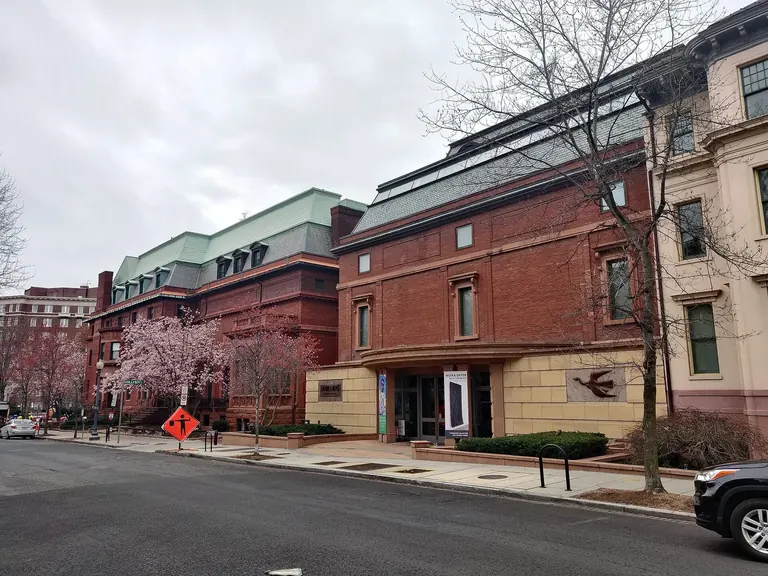

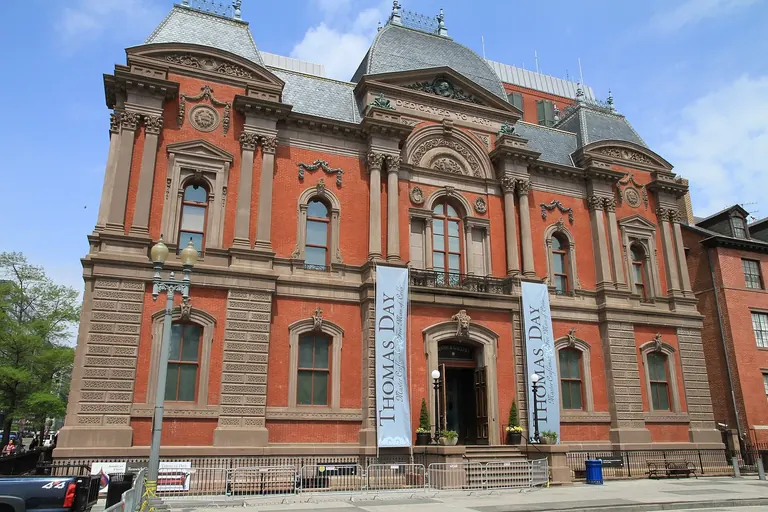
Image credits
6
- Re-Inhabiting Conservation: Our Shared SkiesCatie Michel / IA&A at Hillyer
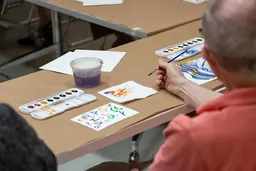
- Creative Aging 2026: Art Is EssentialPhoto Blythe / The Phillips Collection
- Avery, Gottlieb & Rothko: By the SeaMilton Avery / The Phillips Collection
- The Phillips CollectionKurt Kaiser / Wikimedia Commons, CC0
- Dumbarton Oaks Museum & GardensAgnosticPreachersKid / Wikimedia Commons, CC BY-SA 4.0
- Renwick GalleryIngfbruno / Wikimedia Commons, CC BY-SA 3.0