 i
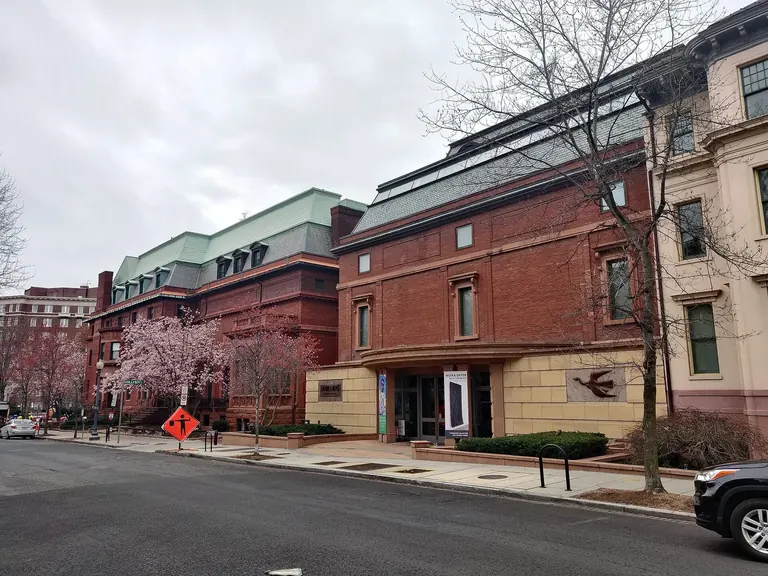
The Phillips Collection
Duncan Phillips opened this museum in his own Dupont Circle house in 1921, five years before New York had anything comparable, and the domestic scale never left. Nearly 6,000 works hang in rooms that still feel like a home — El Greco next to Cézanne, Bonnard beside Rothko, arranged to spark conversations across centuries rather than march you through a chronology. The star is Renoir's Luncheon of the Boating Party, but the Rothko Room and Wolfgang Laib's beeswax chamber are the ones people describe afterwards. A 1960 wing and the largely underground 2006 Sant Building expanded it without disturbing the townhouse feel.
More in Washington, DC
What's On
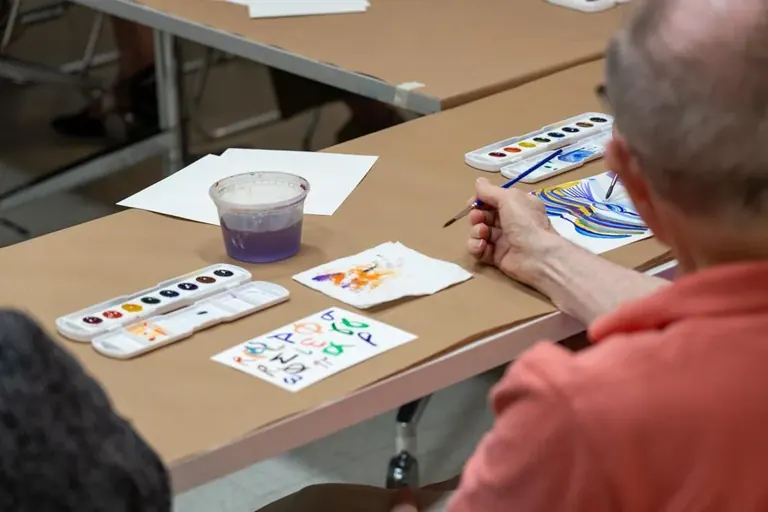
Creative Aging 2026: Art Is Essential
Artwork by older adults living with memory loss, made through the museum's Creative Aging programme of gallery conversations followed by studio practice, with local senior centres and Reframing Care.
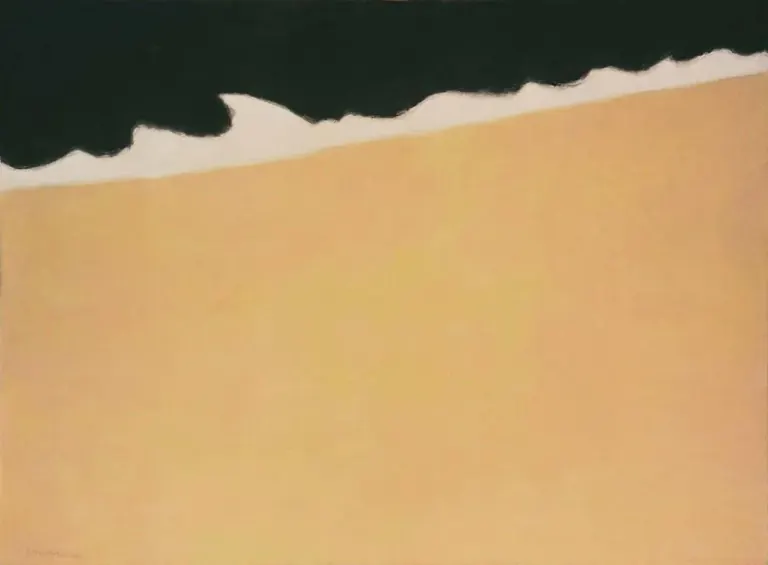
Avery, Gottlieb & Rothko: By the Sea
Around 90 works from the 1920s to the mid-1960s tracing the friendship of Milton Avery, Adolph Gottlieb and Mark Rothko, forged over shared summers in Gloucester. Many shown publicly for the first time.
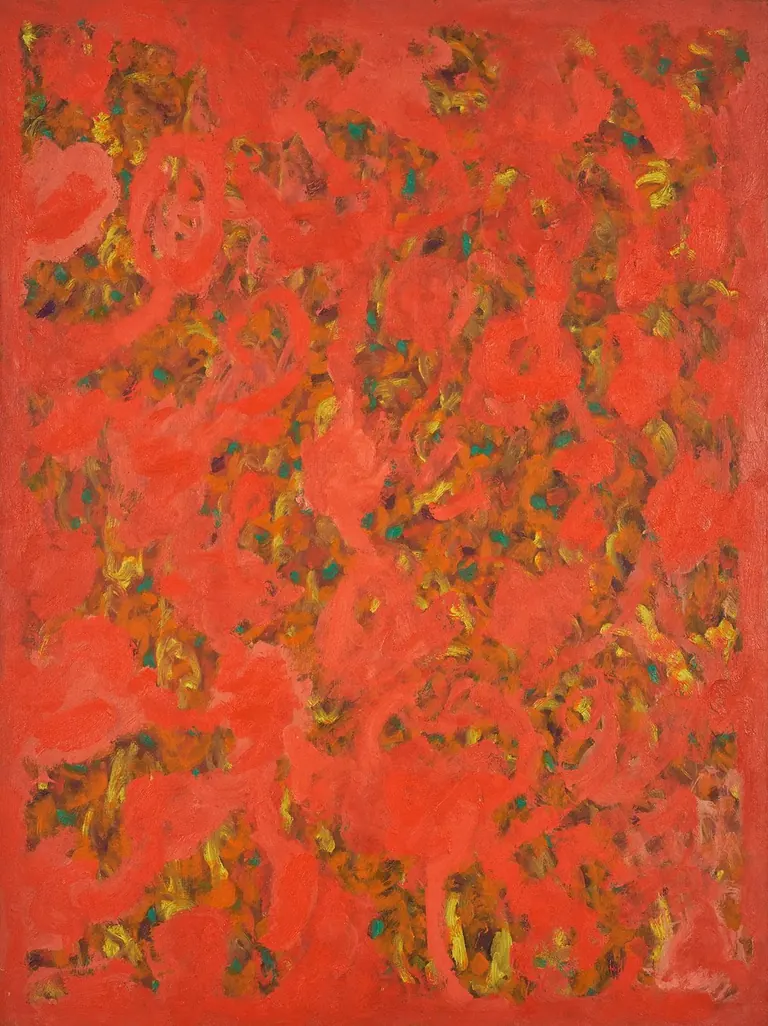
Beauford Delaney: So Much Love and Beauty
Beauford Delaney (1901-1979) from 1940s New York street scenes and portraits to 1960s Paris abstraction, hung alongside influences such as Monet and Stuart Davis and peers including Sam Francis and Ed Clark.
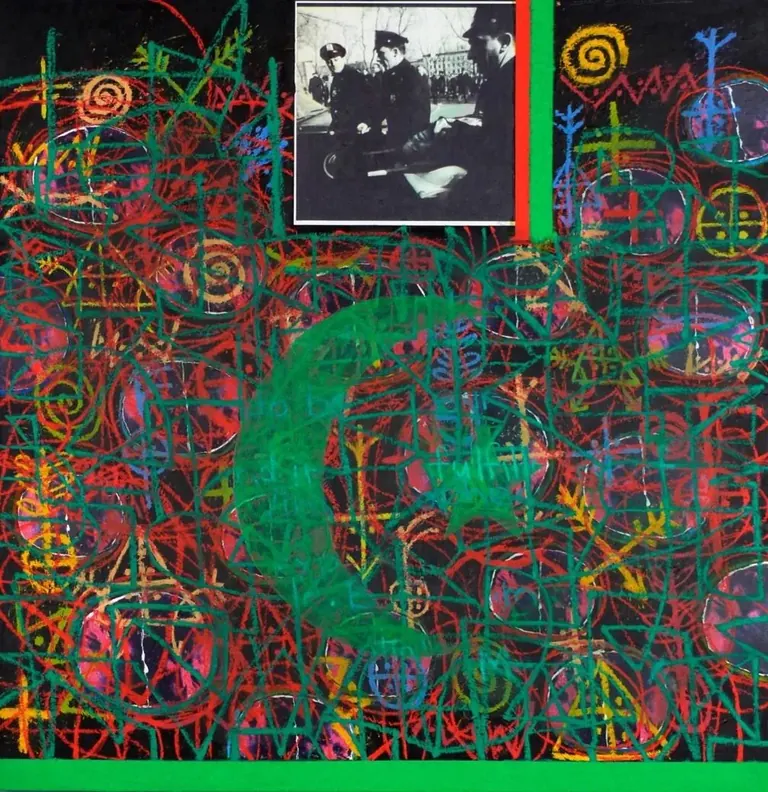
Juan Sánchez: States of Liberation
A 75-work retrospective of the founding Latinx artist Juan Sánchez (b. 1954), grouped as Autobiography, Community, Nation and Utopia. Co-organised with the Whitney and Museo de Arte de Puerto Rico.
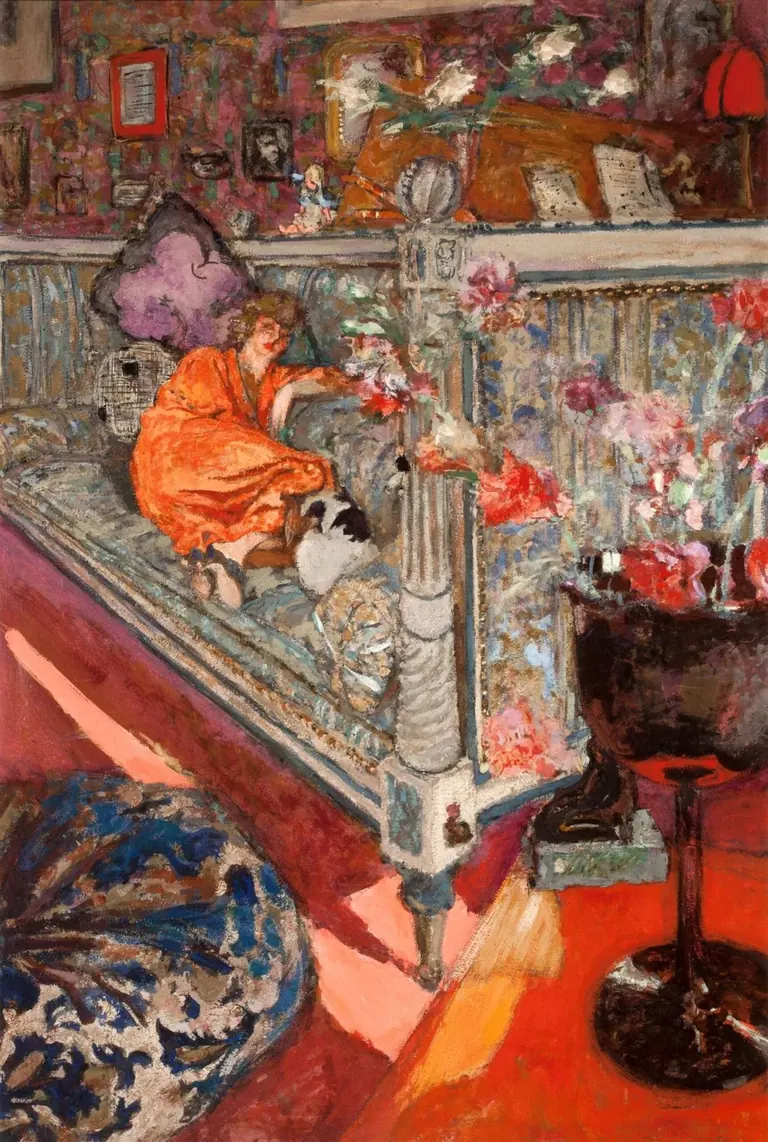
Vuillard and the Theater
Around 70 paintings, 30 works on paper and theatre ephemera from the 1890s to the 1930s, tracing Édouard Vuillard's life as spectator, director and scenographer. Co-organised with the Musée d'Orsay.
Permanent Collections
Jacob Lawrence: The Migration Series
Jacob Lawrence's 60-panel epic of the Great Migration, painted in 1940-41. The Phillips holds the odd-numbered panels and presents them as a core collection highlight.
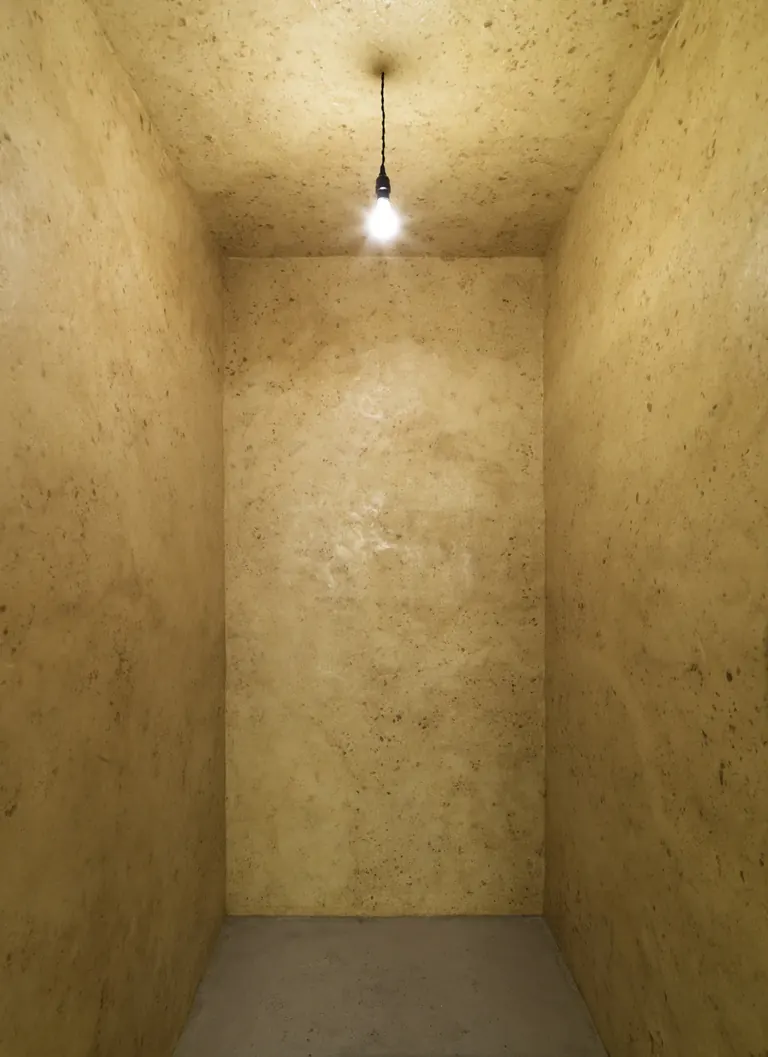
Wolfgang Laib, Wax Room
A narrow chamber lined in beeswax, lit by a single bare bulb. Laib's 2013 site-specific installation was the museum's first permanent commission since the Rothko Room in 1960.
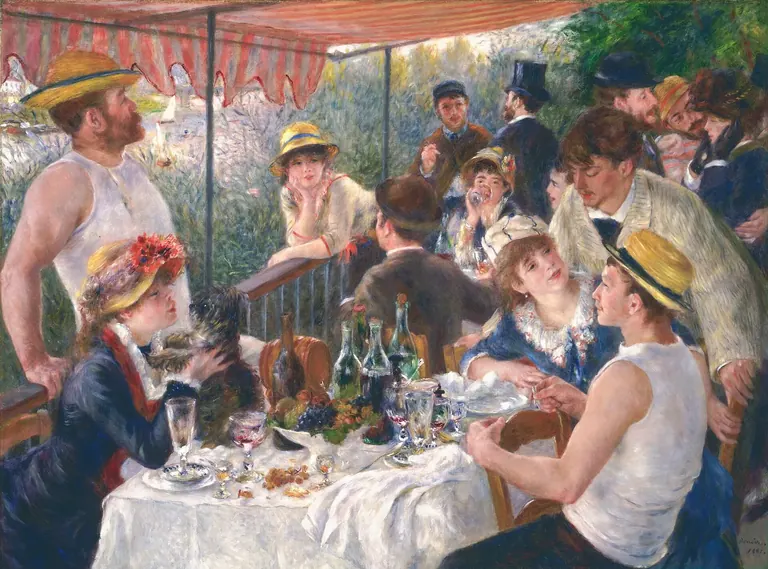
Renoir's Luncheon of the Boating Party
Renoir's 1880-81 riverside gathering at Chatou, bought by Duncan Phillips in 1923 and the museum's best-known work. Back in Gallery 201 after a 2026 loan to the Musée d'Orsay.
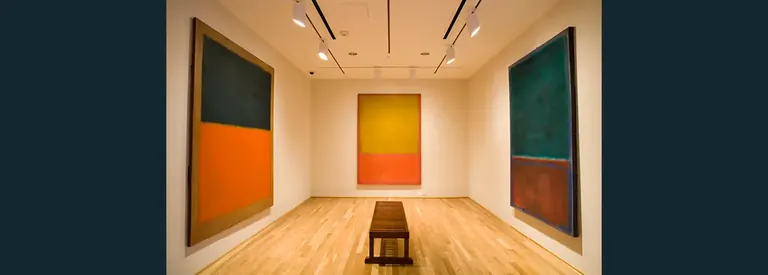
The Rothko Room
Four Rothkos, one per wall, in a dimly lit room Duncan Phillips called a chapel. Created in 1960, the first US museum space devoted to the artist and the only one he helped design.
Plan Your Visit
Getting there
1600 21st Street NW, Washington, DC 20009, United States
Nearest station: Dupont Circle (Red Line, Q Street exit)
Show on mapHours
Closed 26 November
Closed - Thanksgiving
| Mon | Closed |
| Tue | 10:00–17:00 |
| Wed | 10:00–17:00 |
| Thu | 10:00–17:00 |
| Fri | 10:00–17:00 |
| SatToday | 10:00–17:00 |
| Sun | 11:00–17:00 |
Admission
From $20
Seniors 62+ $15; students & educators with ID $10; active/retired military $12; ages 18 and under free; members always free. Free admission on Third Thursdays, 5-8 pm. Shop, cafe, courtyard and first-floor galleries are free to enter without a ticket.
Last verified
Nearby
Visitor Information
- How much does The Phillips Collection cost?
- Standard adult admission to The Phillips Collection is $20. Seniors 62+ $15; students & educators with ID $10; active/retired military $12; ages 18 and under free; members always free. Free admission on Third Thursdays, 5-8 pm. Shop, cafe, courtyard and first-floor galleries are free to enter without a ticket.. Prices for special exhibitions and timed-entry slots may differ.
- What are the opening hours of The Phillips Collection?
- The Phillips Collection is open Tue-Sat 10:00-17:00, Sun 11:00-17:00 (members from 10:00); closed Mondays. Third Thursday of the month open until 20:00 with free admission. Closed Thanksgiving (26 Nov 2026), Christmas Eve, Christmas Day and New Year's Day; also closed Juneteenth and Independence Day.. Holiday hours can vary, so check the museum's website before you go.
- Where is The Phillips Collection?
- The Phillips Collection is located at 1600 21st Street NW, Washington, DC 20009, United States, in the Dupont Circle area of Washington, DC. The nearest station is Dupont Circle (Red Line, Q Street exit).
- What can I see at The Phillips Collection?
- America's first museum of modern art: Renoir's boating party, four Rothkos in a chapel-like room, and a chamber built of beeswax. Current highlights include Jacob Lawrence: The Migration Series, Juan Sánchez: States of Liberation and Creative Aging 2026: Art Is Essential.
- Do I need to book The Phillips Collection in advance?
- Booking ahead is recommended, especially for weekends, school holidays, and special exhibitions. Tickets are normally on the museum's website, and a pre-booked timed slot helps you avoid queues at the entrance.
- When is the best time to visit The Phillips Collection?
- Weekday mornings shortly after opening are typically the quietest, especially mid-week. Late afternoons can also be calmer. Weekends, school holidays, and the lunch rush are the busiest periods.
Image credits
11
- The Phillips CollectionKurt Kaiser / Wikimedia Commons, CC0
- Juan Sánchez: States of LiberationJuan Sánchez, courtesy of the artist and Hutchinson Modern & Contemporary, NYC
- Creative Aging 2026: Art Is EssentialPhoto Blythe / The Phillips Collection
- Wolfgang Laib, Wax RoomThe Phillips Collection
- Avery, Gottlieb & Rothko: By the SeaMilton Avery / The Phillips Collection
- Beauford Delaney: So Much Love and BeautyBeauford Delaney / Knoxville Museum of Art, via The Phillips Collection
- Vuillard and the TheaterÉdouard Vuillard / Philbrook Museum of Art, Tulsa, via The Phillips Collection
- Renoir's Luncheon of the Boating PartyPierre-Auguste Renoir / Google Art Project, Wikimedia Commons, Public domain
- The Rothko RoomThe Phillips Collection
- Dumbarton Oaks Museum & GardensAgnosticPreachersKid / Wikimedia Commons, CC BY-SA 4.0
- Renwick GalleryIngfbruno / Wikimedia Commons, CC BY-SA 3.0