 i
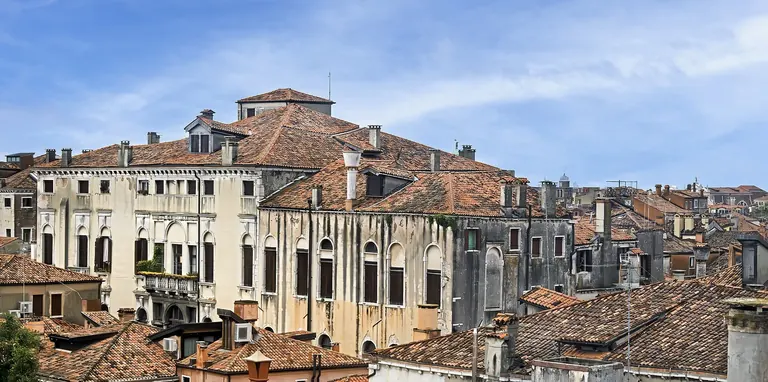
Palazzo Mocenigo – Museum of Textiles and Costume
The 17th-century residence of the San Stae branch of the Mocenigo family, which gave Venice seven doges, bequeathed to the city in 1945 and opened as a museum in 1985. Twenty rooms on the piano nobile, laid out by designer Pier Luigi Pizzi, evoke aristocratic life in the 17th and 18th centuries with frescoed ceilings, family portraits and mannequins in original costumes and accessories. It houses the Study Centre for the History of Textiles, Costume and Perfume, with a dedicated section on Venice's role in the history of perfume.
More in Venice
What's On
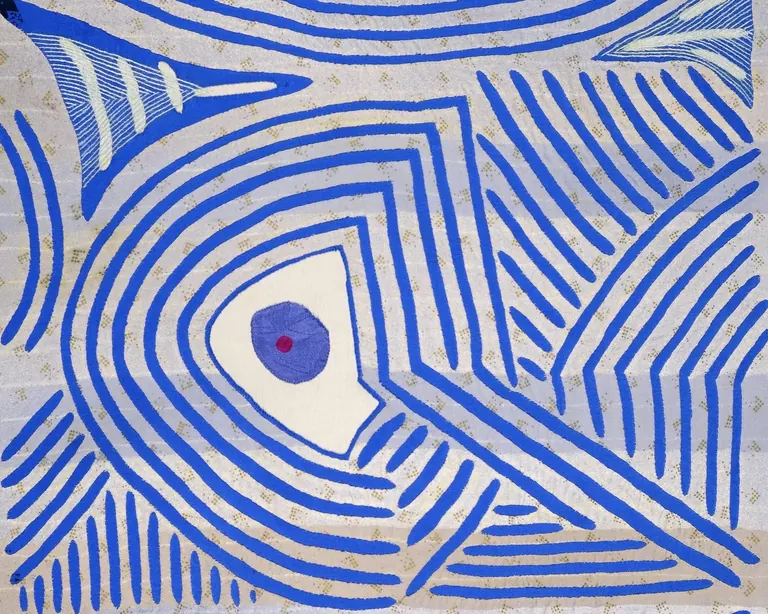
The Silks of Lucio Andrich
Silk panels by Lucio Andrich (1927-2003), pieced from Missoni and Como fabric offcuts and hand-stitched by Burano embroiderer Maria Tagliapietra: Dolomite legends to lagoon fauna.
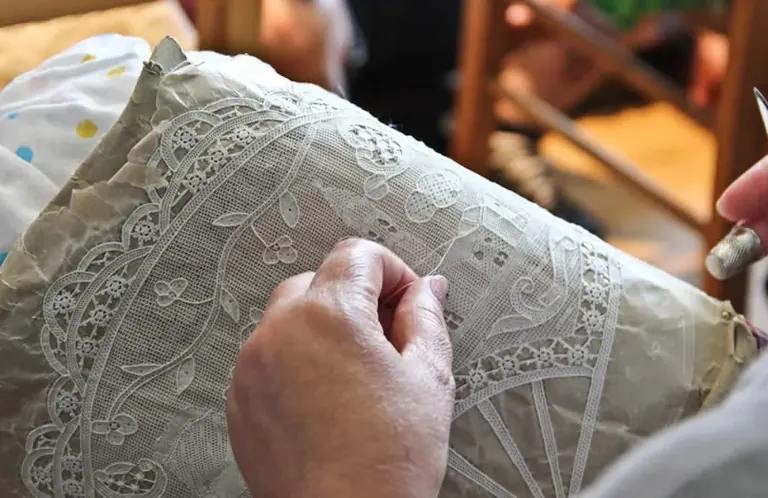
A Lace for Venice 2026
43 works from the 12th national lacemaking competition, in needle and bobbin lace on the theme of flowers and nature, from traditional patterns to contemporary takes.
Permanent Collections
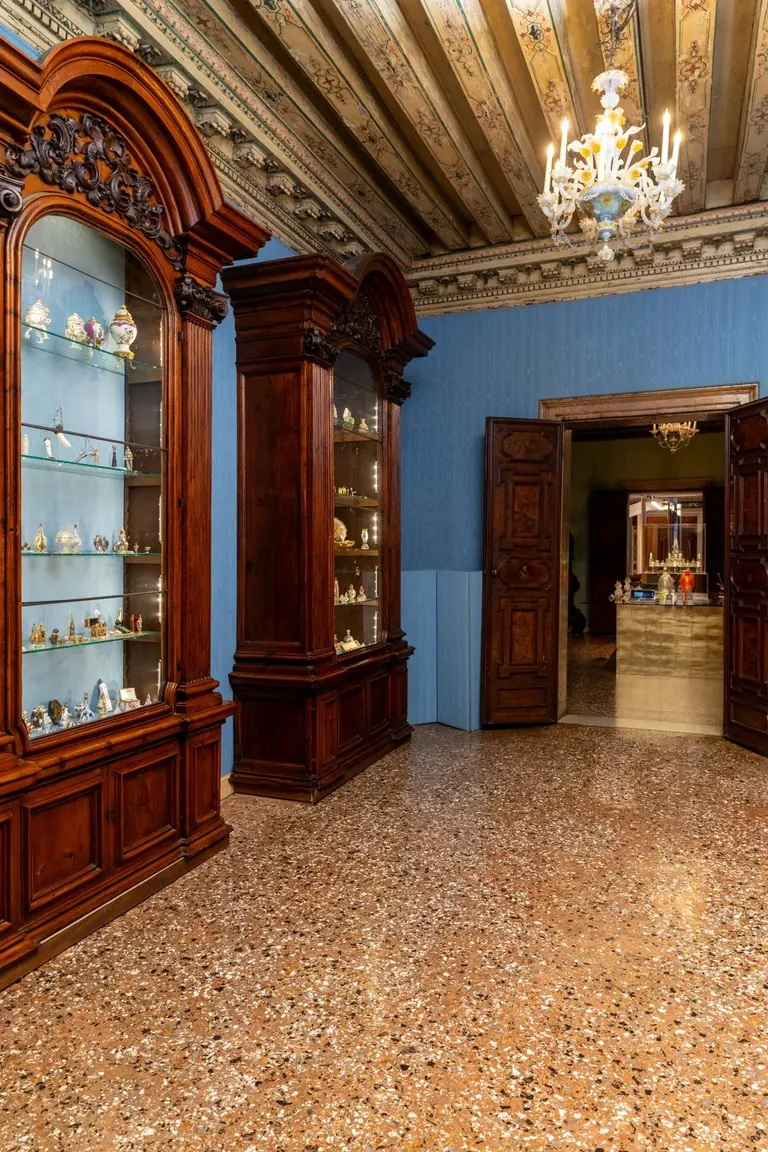
The Perfume Rooms: Venice and the History of Scent
Rooms 13-19 trace Venice's perfume trade: a perfumer's workshop, musk and ambergris, the Storp Collection of bottles incl. Lalique, scent sampling and a 200-bottle perfumer's organ.
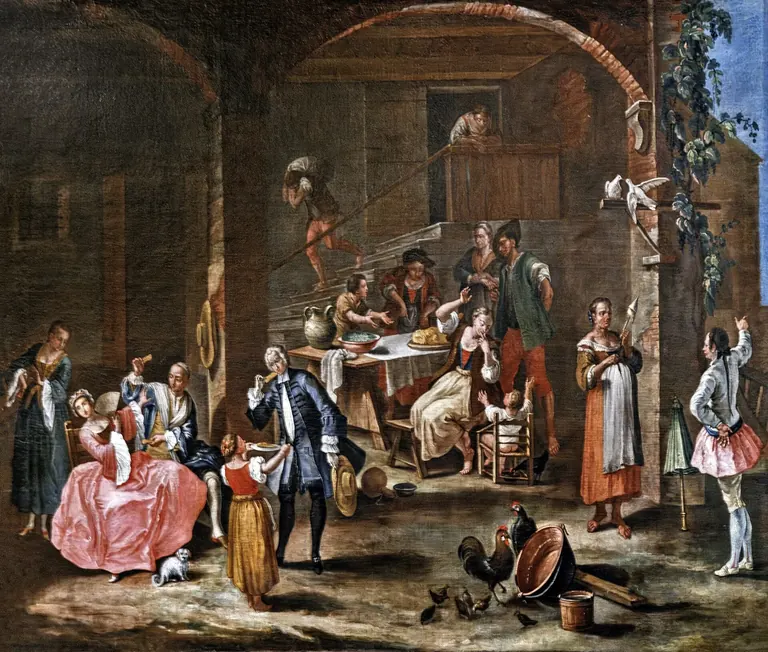
The Piano Nobile: Life of the Venetian Nobility
Twenty rooms staged by Pier Luigi Pizzi evoke a Venetian nobleman's life in the 1600s-1700s: paintings, furnishings, glass and mannequins in embroidered, lace-trimmed costumes.
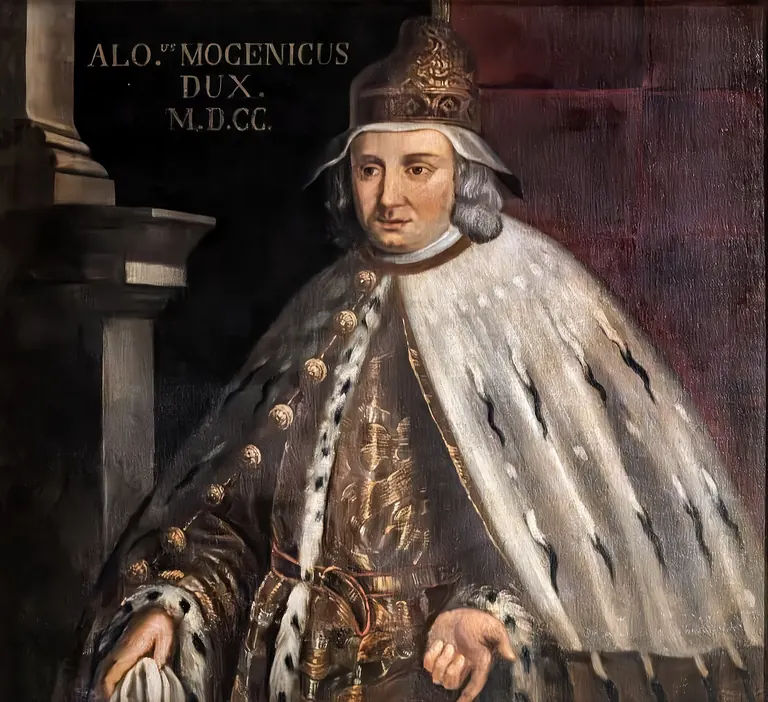
The Portego and the Mocenigo Family Rooms
The grand central hall and frescoed salons celebrate a family of seven doges, with 1787 ceiling frescoes by Jacopo Guarana and others, portraits and gilded root-wood doors.
Plan Your Visit
Getting there
Hours
Winter hours until 31 March 2027, 10:00–17:00
| MonToday | Closed |
| Tue | 10:00–18:00 |
| Wed | 10:00–18:00 |
| Thu | 10:00–18:00 |
| Fri | 10:00–18:00 |
| Sat | 10:00–18:00 |
| Sun | 10:00–18:00 |
Admission
From €15
Reduced €7.50 (ages 6-14, students 15-25, over 65, Rolling Venice Card, ISIC). Free for Venice residents, under 6s, ICOM members. Also on the Museums of 18th Century Venice ticket (€20) and the MUVE Museum Pass (€50).
Last verified
Nearby
Visitor Information
- How much does Palazzo Mocenigo – Museum of Textiles and Costume cost?
- Standard adult admission to Palazzo Mocenigo – Museum of Textiles and Costume is €15. Reduced €7.50 (ages 6-14, students 15-25, over 65, Rolling Venice Card, ISIC). Free for Venice residents, under 6s, ICOM members. Also on the Museums of 18th Century Venice ticket (€20) and the MUVE Museum Pass (€50).. Prices for special exhibitions and timed-entry slots may differ.
- What are the opening hours of Palazzo Mocenigo – Museum of Textiles and Costume?
- Palazzo Mocenigo – Museum of Textiles and Costume is open Tue-Sun 10:00-18:00 (1 Apr-31 Oct; last admission 17:00); 10:00-17:00 (1 Nov-31 Mar; last admission 16:00). Closed Mondays. Until 26 Sep 2026, Fridays and Saturdays open until 20:00 (last admission 19:00).. Holiday hours can vary, so check the museum's website before you go.
- Where is Palazzo Mocenigo – Museum of Textiles and Costume?
- Palazzo Mocenigo – Museum of Textiles and Costume is located at Santa Croce 1992, 30135 Venezia, Italy, in the Santa Croce area of Venice. The nearest station is San Stae (Vaporetto Line 1).
- What can I see at Palazzo Mocenigo – Museum of Textiles and Costume?
- A doge family's palazzo by San Stae, dressed with 18th-century Venetian gowns, frescoed salons and a museum of perfume. Current highlights include A Lace for Venice 2026, The Perfume Rooms: Venice and the History of Scent and The Piano Nobile: Life of the Venetian Nobility.
- Do I need to book Palazzo Mocenigo – Museum of Textiles and Costume in advance?
- Booking ahead is recommended, especially for weekends, school holidays, and special exhibitions. Tickets are normally on the museum's website, and a pre-booked timed slot helps you avoid queues at the entrance.
- When is the best time to visit Palazzo Mocenigo – Museum of Textiles and Costume?
- Weekday mornings shortly after opening are typically the quietest, especially mid-week. Late afternoons can also be calmer. Weekends, school holidays, and the lunch rush are the busiest periods.
Image credits
10
- Palazzo Mocenigo – Museum of Textiles and CostumeDidier Descouens / Wikimedia Commons, CC BY-SA 4.0
- A Lace for Venice 2026Courtesy of Palazzo Mocenigo – Museum of Textiles and Costume
- The Perfume Rooms: Venice and the History of ScentCourtesy of Palazzo Mocenigo – Museum of Textiles and Costume
- The Piano Nobile: Life of the Venetian NobilityDidier Descouens / Wikimedia Commons, Public domain
- The Portego and the Mocenigo Family RoomsDidier Descouens / Wikimedia Commons, Public domain
- The Silks of Lucio AndrichCourtesy of Palazzo Mocenigo – Museum of Textiles and Costume
- Ca' Pesaro – International Gallery of Modern ArtWolfgang Moroder / Wikimedia Commons, CC BY-SA 3.0
- Fondazione Prada Venezia (Ca' Corner della Regina)Wolfgang Moroder / Wikimedia Commons, CC BY-SA 3.0
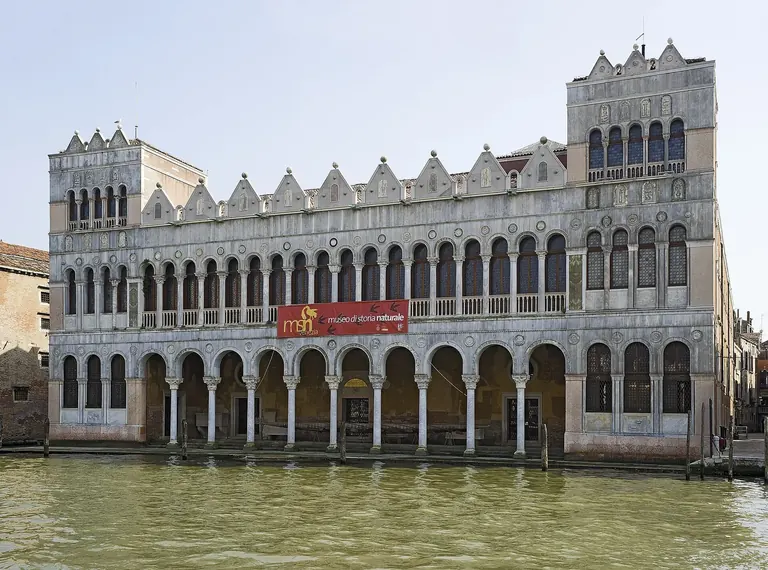
- Museo di Storia Naturale di Venezia (Fontego dei Turchi)Didier Descouens / Wikimedia Commons, CC BY-SA 4.0
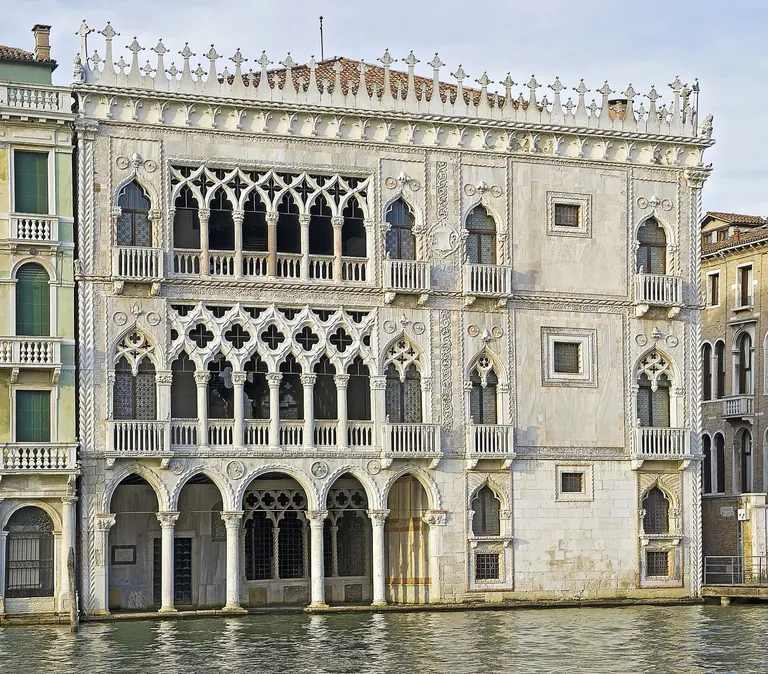
- Ca' d'Oro – Galleria Giorgio FranchettiDidier Descouens / Wikimedia Commons, CC BY-SA 4.0