 i
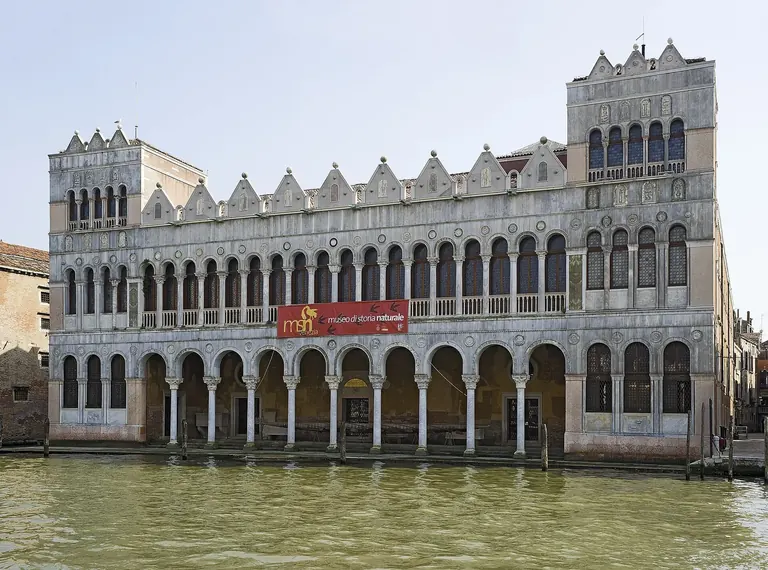
Museo di Storia Naturale di Venezia (Fontego dei Turchi)
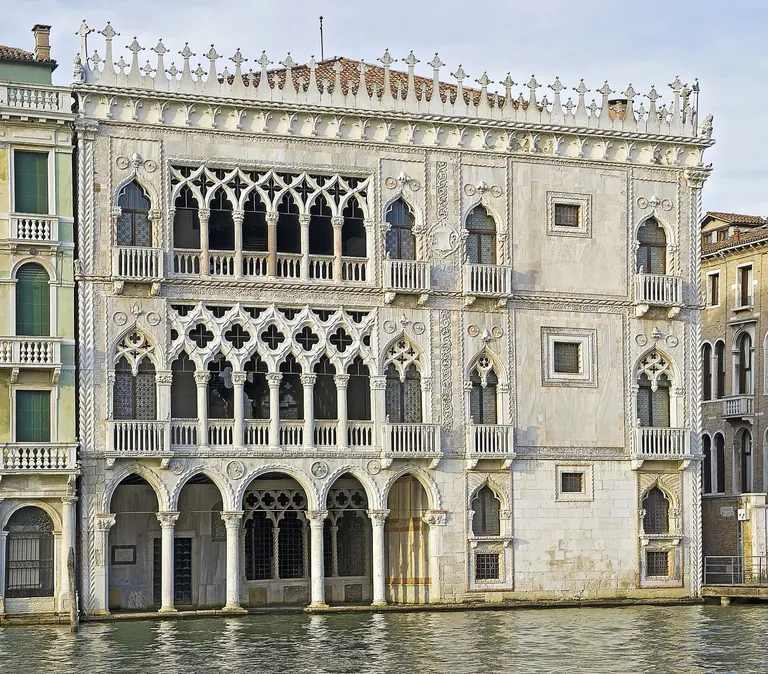
Venice's natural history museum, named after explorer Giancarlo Ligabue, occupies the Fontego dei Turchi, a 13th-century Venetian-Byzantine palazzo that served as the Ottoman merchants' trading house from 1621 to 1838. Founded in 1923 and here since 1969, it holds some two million specimens. Highlights include the Ouranosaurus nigeriensis skeleton and a giant crocodile from Ligabue's 1973 Ténéré desert expedition, Giovanni Miani's African collections from his search for the source of the Nile, and a gallery built around a fin whale skeleton. It is one of the Fondazione Musei Civici di Venezia (MUVE) museums.
More in Venice
What's On
Permanent Collections
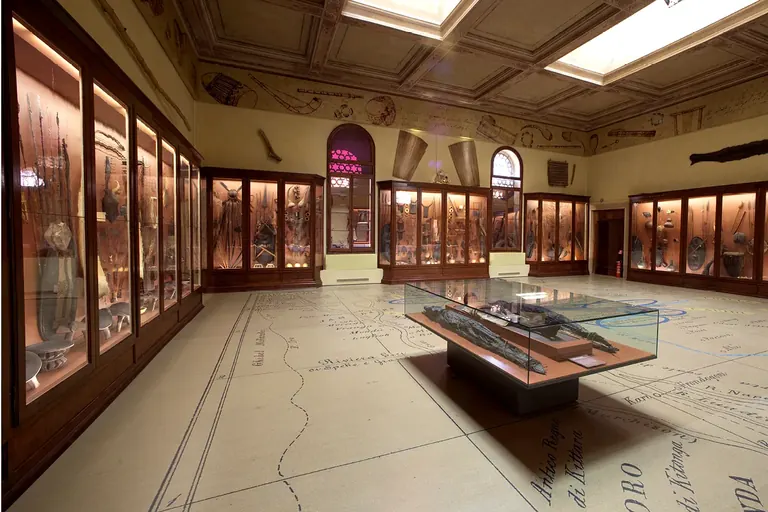
Collecting to Astonish, Collecting for Research
The story of naturalist collecting, from cabinets of curiosities to Giovanni Miani's finds from his 1859-60 search for the source of the Nile and Ligabue's expeditions.
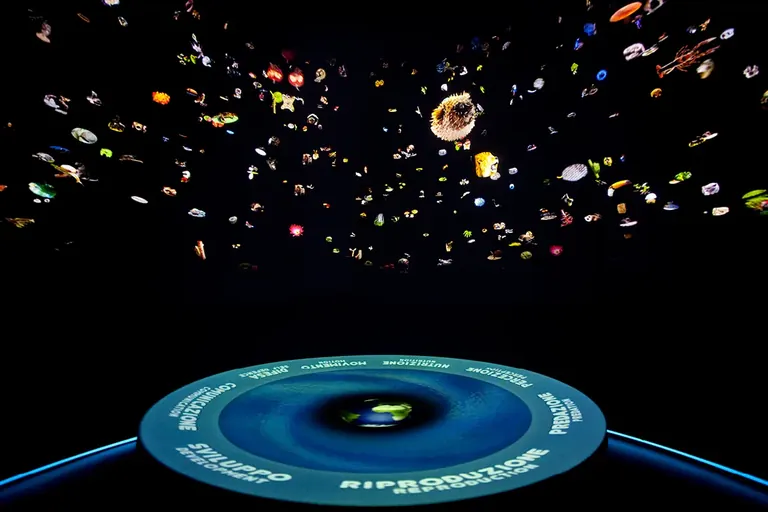
The Strategies of Life
Form and function in living things: extinct and living species, gigantic to microscopic, showing how organisms adapt to move, feed, sense and survive.
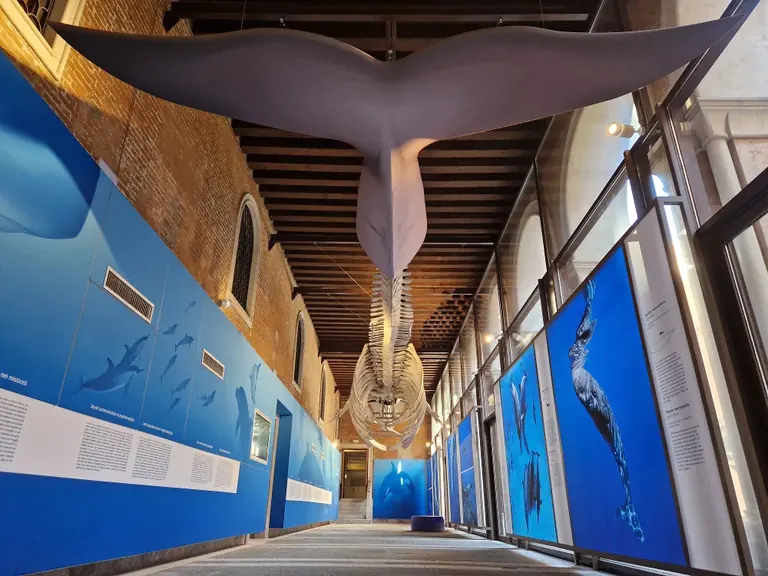
Cetaceans Gallery
Ground-floor gallery centred on an 18.6-metre fin whale skeleton, washed ashore near Naples in 1928, exploring the lives of whales and dolphins.
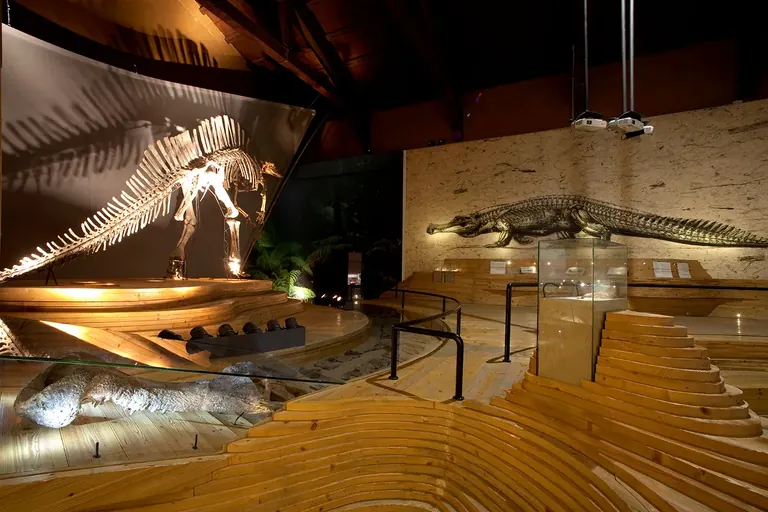
On the Tracks of Life
Palaeontology rooms built around Giancarlo Ligabue's 1973 Ténéré desert expedition, with the Ouranosaurus nigeriensis dinosaur and a giant fossil crocodile.
Plan Your Visit
Getting there
Santa Croce 1730, 30135 Venezia, Italy
Nearest station: San Stae (vaporetto line 1) and Riva de Biasio (vaporetto line 1)
Show on mapHours
| MonToday | Closed |
| Tue | 09:00–17:00 |
| Wed | 09:00–17:00 |
| Thu | 09:00–17:00 |
| Fri | 09:00–17:00 |
| Sat | 09:00–17:00 |
| Sun | 09:00–17:00 |
Admission
From €15
Reduced €7.50 for ages 6-14, students 15-25, over-65s, Rolling Venice and ISIC card holders. Free for Venice residents, under-6s, disabled visitors with a companion and ICOM members.
Last verified
Nearby
Visitor Information
- How much does Museo di Storia Naturale di Venezia (Fontego dei Turchi) cost?
- Standard adult admission to Museo di Storia Naturale di Venezia (Fontego dei Turchi) is €15. Reduced €7.50 for ages 6-14, students 15-25, over-65s, Rolling Venice and ISIC card holders. Free for Venice residents, under-6s, disabled visitors with a companion and ICOM members.. Prices for special exhibitions and timed-entry slots may differ.
- What are the opening hours of Museo di Storia Naturale di Venezia (Fontego dei Turchi)?
- Museo di Storia Naturale di Venezia (Fontego dei Turchi) is open Tue-Sun 09:00-17:00 from 1 October to 31 May (last entry 16:00); 10:00-18:00 from 1 June to 30 September (last entry 17:00), with Friday and Saturday until 20:00 from 1 May to 26 September 2026. Closed Mondays.. Holiday hours can vary, so check the museum's website before you go.
- Where is Museo di Storia Naturale di Venezia (Fontego dei Turchi)?
- Museo di Storia Naturale di Venezia (Fontego dei Turchi) is located at Santa Croce 1730, 30135 Venezia, Italy, in the Santa Croce area of Venice. The nearest stations are San Stae (vaporetto line 1) and Riva de Biasio (vaporetto line 1).
- What can I see at Museo di Storia Naturale di Venezia (Fontego dei Turchi)?
- Dinosaurs, a 19-metre fin whale and explorers' cabinets inside a 13th-century Byzantine palace on the Grand Canal. Current highlights include Collecting to Astonish, Collecting for Research, The Strategies of Life and Cetaceans Gallery.
- Do I need to book Museo di Storia Naturale di Venezia (Fontego dei Turchi) in advance?
- Booking ahead is recommended, especially for weekends, school holidays, and special exhibitions. Tickets are normally on the museum's website, and a pre-booked timed slot helps you avoid queues at the entrance.
- When is the best time to visit Museo di Storia Naturale di Venezia (Fontego dei Turchi)?
- Weekday mornings shortly after opening are typically the quietest, especially mid-week. Late afternoons can also be calmer. Weekends, school holidays, and the lunch rush are the busiest periods.
Image credits
9
- Museo di Storia Naturale di Venezia (Fontego dei Turchi)Didier Descouens / Wikimedia Commons, CC BY-SA 4.0
- Collecting to Astonish, Collecting for ResearchCourtesy of Museo di Storia Naturale di Venezia (Fontego dei Turchi)
- The Strategies of LifeCourtesy of Museo di Storia Naturale di Venezia (Fontego dei Turchi)
- Cetaceans GalleryCourtesy of Museo di Storia Naturale di Venezia (Fontego dei Turchi)
- On the Tracks of LifeCourtesy of Museo di Storia Naturale di Venezia (Fontego dei Turchi)
- Ca' Pesaro – International Gallery of Modern ArtWolfgang Moroder / Wikimedia Commons, CC BY-SA 3.0
- Palazzo Mocenigo – Museum of Textiles and CostumeDidier Descouens / Wikimedia Commons, CC BY-SA 4.0
- Fondazione Prada Venezia (Ca' Corner della Regina)Wolfgang Moroder / Wikimedia Commons, CC BY-SA 3.0
- Ca' d'Oro – Galleria Giorgio FranchettiDidier Descouens / Wikimedia Commons, CC BY-SA 4.0