 i
Textile Museum of CanadaDowntown / Discovery District
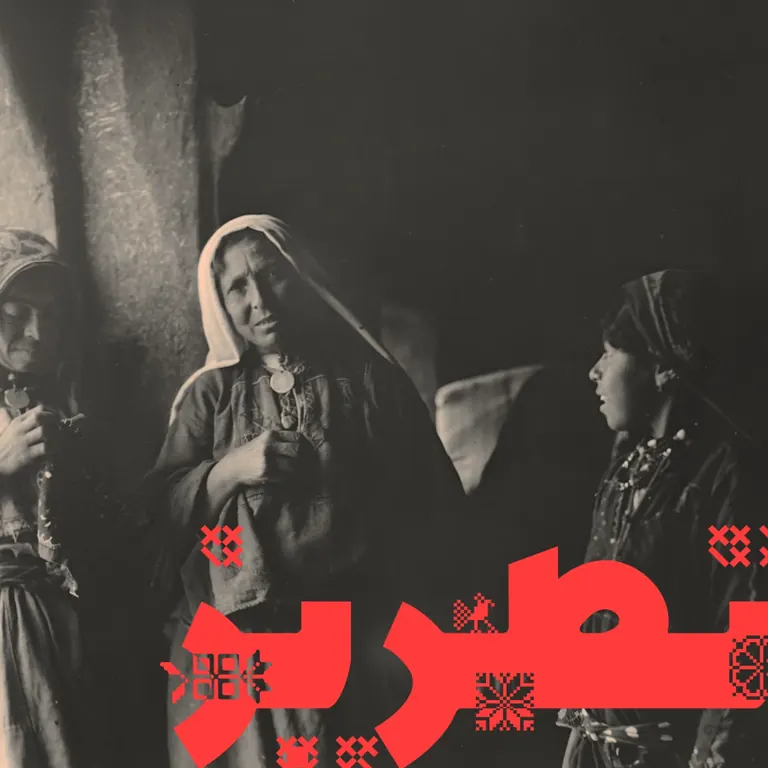
Retracing Tatreez: Palestinian Thobes through the 20th Century
Palestinian embroidered thobes and jellayeh from the collection, most shown for the first time, curated by Nina Rafique with restored context on their regional motifs and journeys.
More in Toronto
A black thobe from between Ramallah and Jerusalem has red tatreez up the front, mismatched dye batches, strange old repairs and part of its maker's initial. Curator Nina Rafique doesn't know the woman's name. Most labels here carry the line "maker once known".
The dresses, coats and fragments, most never shown before, reached the museum through collectors long after they were looted, left behind or separated from their owners around the 1948 Nakba. Rafique, who began researching them while working the front desk, has arranged them by region, so you can compare how a village's motifs and colours marked where a woman came from. Some thobes stand on mannequins mid-room so you can walk around them, and a closing section covers what was stitched after 1948.
The garments are hands-off, but sample patterns dotted around are free to touch. It's on the second floor, included in general admission ($15 adults, Wednesday to Sunday, 12 to 5), and a Toronto Public Library MAP pass gets you in free.
Editor's pick
Palestinian embroidered thobes and jellayeh from the museum's collection, most shown for the first time, with restored context on their regional motifs. Curated by Nina Rafique.
Look for
The black Ramallah-Jerusalem thobe
Look for red tatreez and small multicoloured threadwork up the front, uneven dye batches, odd later repairs and a partial maker's initial, rare on a thobe.
Thobes on mannequins
In the centre of the room, a few dresses stand on mannequins so you can see the embroidery on the sides and back, not just the front.
The Gaza section
One corner gathers garments from Gaza, with a wall text on what sets its stitching, colours and threads apart from other regions.
After the Nakba
The section on garments made after 1948 shows how women in refugee camps traded designs, so tatreez came to mark Palestine as a whole rather than one village.
The touchable samples
Swatches of different tatreez patterns are placed around the room, and these are the only pieces you are allowed to handle.
Good for
- Locals Who've Seen It All
- Nerding Out
- Rainy Days
With kids
Ages 6 to 18 pay $8 and under-6s are free. Kids can't touch the garments but can handle the tatreez sample swatches around the room.
Also at Textile Museum of Canada
On now nearby

Nearby
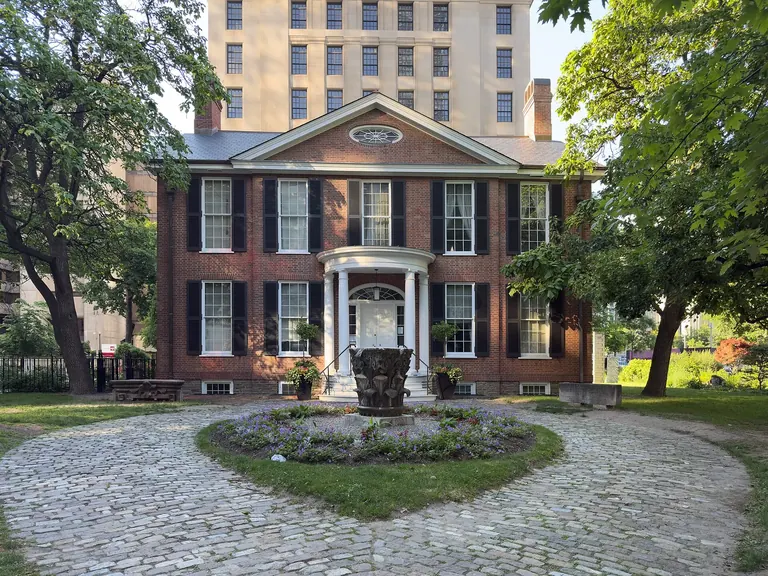
Image credits
8
- Retracing Tatreez: Palestinian Thobes through the 20th CenturyCourtesy of Textile Museum of Canada
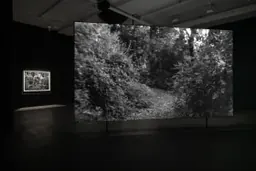
- Dawoud Bey: Material Histories, Living LandscapesCourtesy of Art Gallery of Ontario
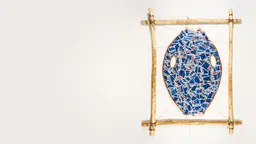
- Returning to Ourselves: Rebecca Baird and Kenny Alvin Baird—A Retrospective of Art and Design by Cree Métis SiblingsPhoto by Luca Dichio
- Michael Massie: now and thenCourtesy of Fehely Fine Arts, photo by Renzo Fernandez
- Textile Museum of CanadaRaysonho @ Open Grid Scheduler / Grid Engine, via Wikimedia Commons, CC0
- Campbell House MuseumJK Liu / Wikimedia Commons, CC BY-SA 4.0
- Art Gallery of OntarioOwen Byrne / Wikimedia Commons, CC BY 2.0
- The Image CentreCanmenwalker / Wikimedia Commons, CC BY 4.0