 i
Gardiner MuseumQueen's Park / University of Toronto
Adaptive Ceramic Histories
Medical and adaptive ceramics made for sick or disabled users, from the 17th century to today, seen from the patient's side of care. Curated by Alexandra Box.
More in Toronto
Preview: written before the show opened
The image the Gardiner chose for this show is a feeding cup made in Rouen in the early 1700s: blue-and-white tin-glazed earthenware with a handle and a spout, used to feed liquids to the sick.
Curatorial resident Alexandra Box sets pieces from the museum's own collection beside loans, running from the 17th century to the present. Her angle is the patient's. Histories of medicine usually follow the doctors; this one looks at what these objects were like for the sick or disabled people who used them. You find it on the ground floor, in the Hilary and Galen Weston Foundation Hall, before you reach the stairs.
It's included in the $18 admission, free for visitors 18 and under, and free for everyone on Wednesdays after 4 pm, when the museum stays open until 9 pm. On 15 January 2027 Box leads an after-hours low-sensory tour with ASL interpretation and a quiet room.
Editor's pick
Ceramics made for sick and disabled users, from the 17th century to today, shown from the patient's side of care. Curated by Alexandra Box.
Look for
The Rouen feeding cup
A blue-and-white tin-glazed earthenware cup from the early 1700s, with a handle and a spout, made for feeding liquids to the sick.
Good for
- Evening Visits
- Locals Who've Seen It All
- Nerding Out
With kids
Free for visitors 18 and under; children under 12 need an adult with them.
Also at Gardiner Museum
On now nearby

Nearby
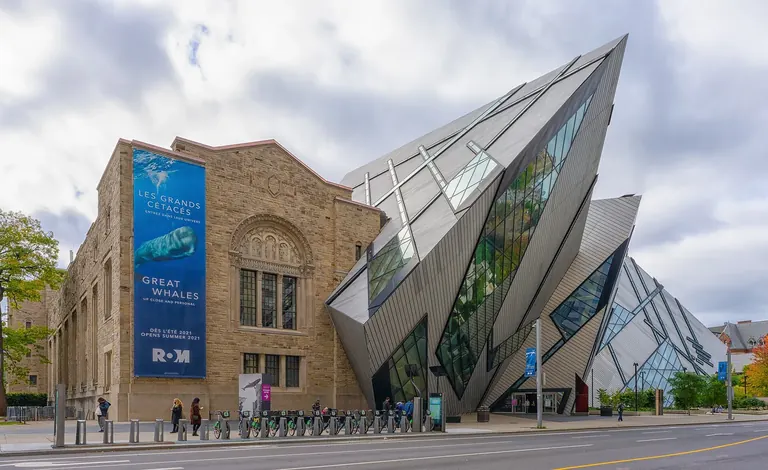
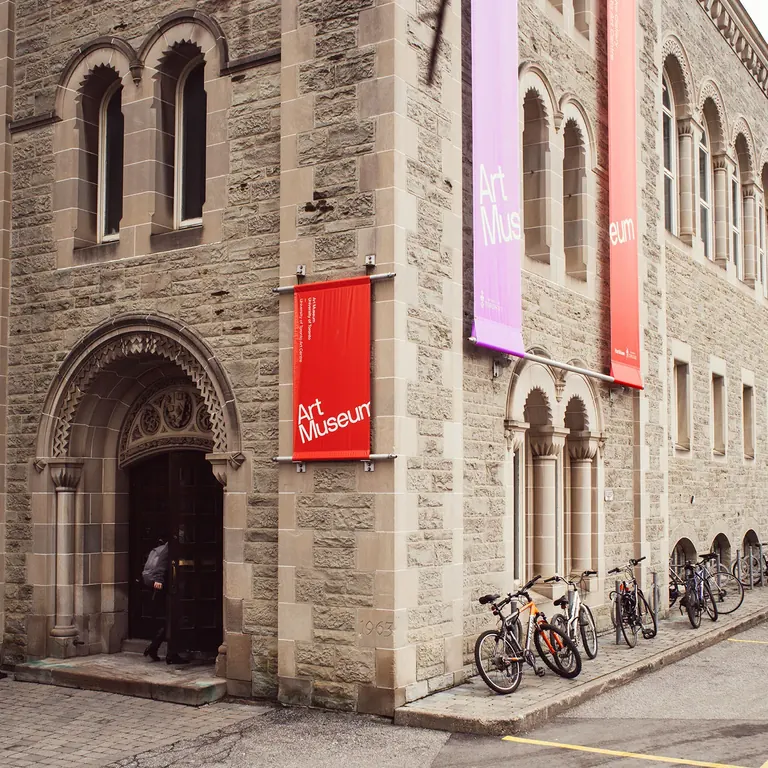
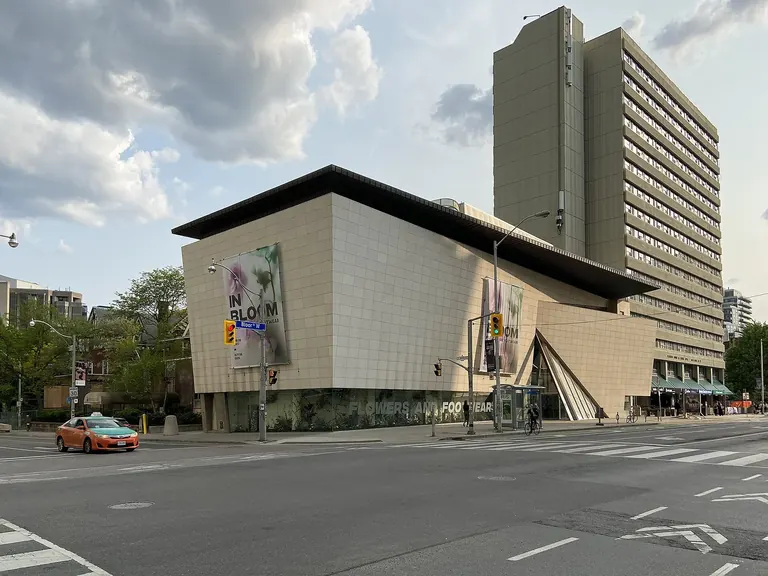
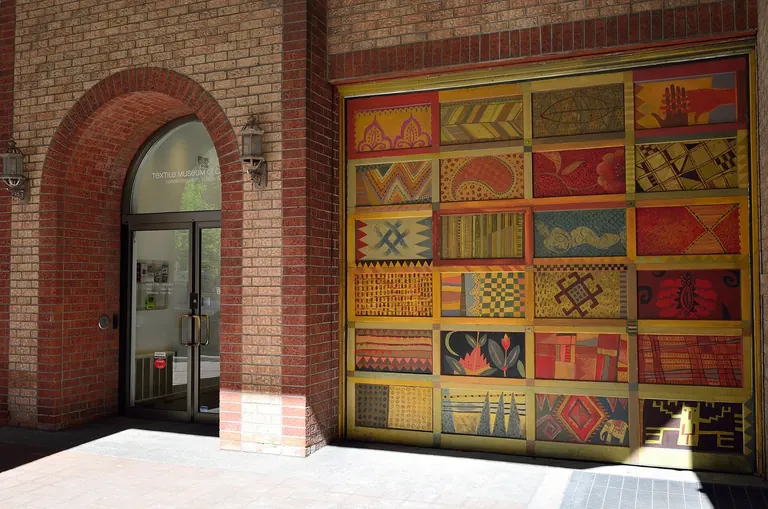
Image credits
9
- Adaptive Ceramic HistoriesCourtesy of Gardiner Museum
- Psychedelics: Art. Culture. Science.Courtesy of Royal Ontario Museum
- Crawford Lake: Layers in Time© Craig Smith, 2023
- Critical Minerals: Critical Choices©ROM
- Gardiner Museumremundo via Wikimedia Commons, CC BY-SA 2.0
- Royal Ontario MuseumMaksim Sokolov (Maxergon), Wikimedia Commons, CC BY-SA 4.0
- Art Museum at the University of TorontoUnderline Studio, CC BY-SA 4.0
- Bata Shoe MuseumCanmenwalker / Wikimedia Commons, CC BY 4.0
- Textile Museum of CanadaRaysonho @ Open Grid Scheduler / Grid Engine, via Wikimedia Commons, CC0