 i
Mütter MuseumLogan Square / Rittenhouse
Revolutionary Botany
Marking America's 250th birthday, this show traces the origins of American pharmacy and botanical medicine in the city that called itself the birthplace of American medicine.
More in Philadelphia
A handwritten commonplace book from around 1730, small enough to carry in a pocket, holds a recipe for treating "dullness of the head." It shares the show with the College of Physicians' handwritten minutes from 1819, setting out the plan for a national pharmacopoeia.
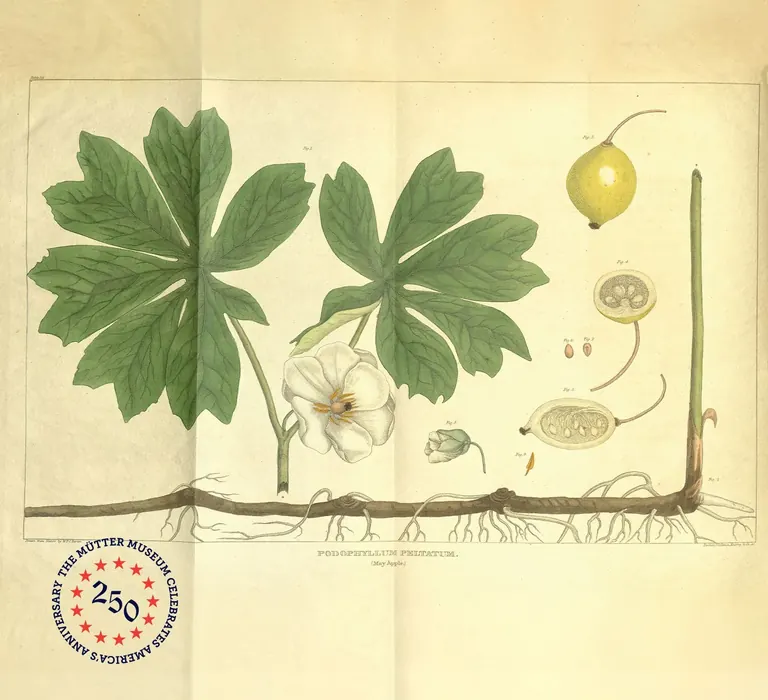
You walk into the Gross Gallery and follow the line from Linnaeus's 1735 naming system to the first Pharmacopoeia of the United States in 1820, nearly half of whose plants were first used by Native American healers. Benjamin Smith Barton, who gathered that knowledge from Indigenous healers, hangs in an early 19th-century portrait, and his nephew William P.C. Barton's hand-colored plant engravings show the same images printed in the 1820 book. Curator Meredith Sellers calls a colonial pharmacopoeia "WebMD in the colonial era."
WHYY calls it small: books, manuscripts and prints, no specimens. Entry is included with a Mütter ticket ($25 adults), and the museum opens Tuesdays 3pm to 8pm through October 27.
Look for
The pocket commonplace book
Look for a handwritten book from around 1730, small enough for a pocket, that contains a recipe for treating "dullness of the head."
The 1819 minutes
Handwritten minutes of a College of Physicians meeting in 1819 lay out the plan to create a national pharmacopoeia.
Barton's Vegetable Materia Medica
William P.C. Barton's hand-colored engravings pair each plant with its medical uses, the same illustrations printed in the 1820 U.S. Pharmacopeia.
Benjamin Smith Barton's portrait
An early 19th-century portrait of the botanist who taught Meriwether Lewis and recorded Indigenous healers' knowledge of medicinal plants.
Good for
- Locals Who've Seen It All
- Nerding Out
Skip if
You came for the Mütter's specimens: this one is manuscripts, books, engravings and a portrait.
Also at Mütter Museum
On now nearby
Nearby
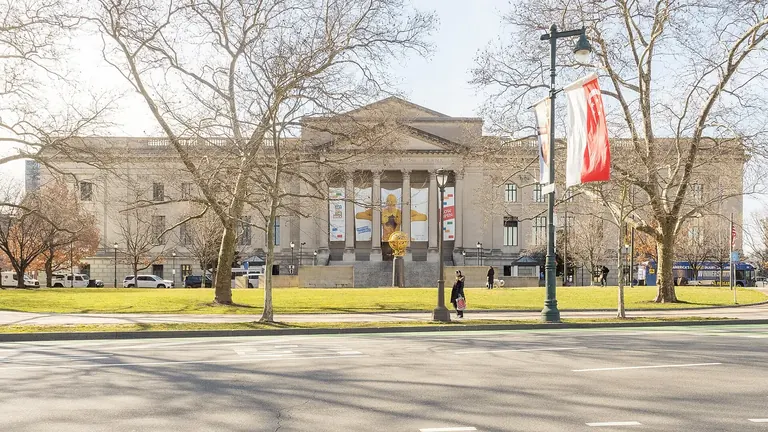
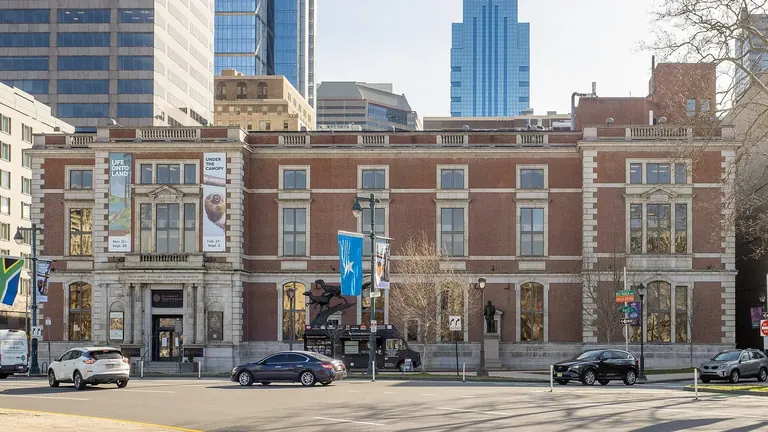
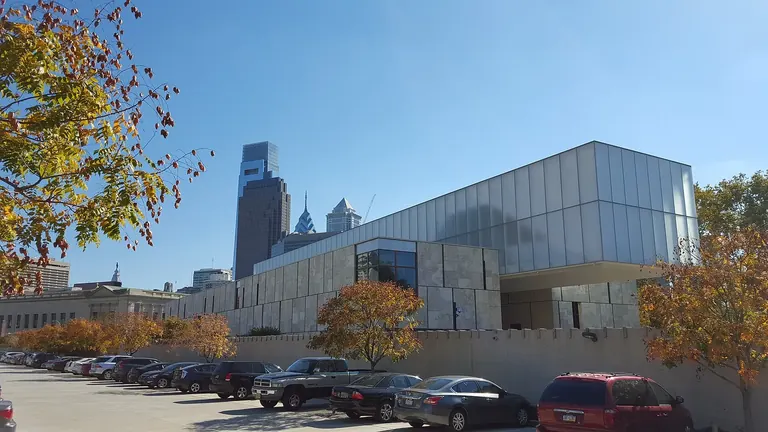
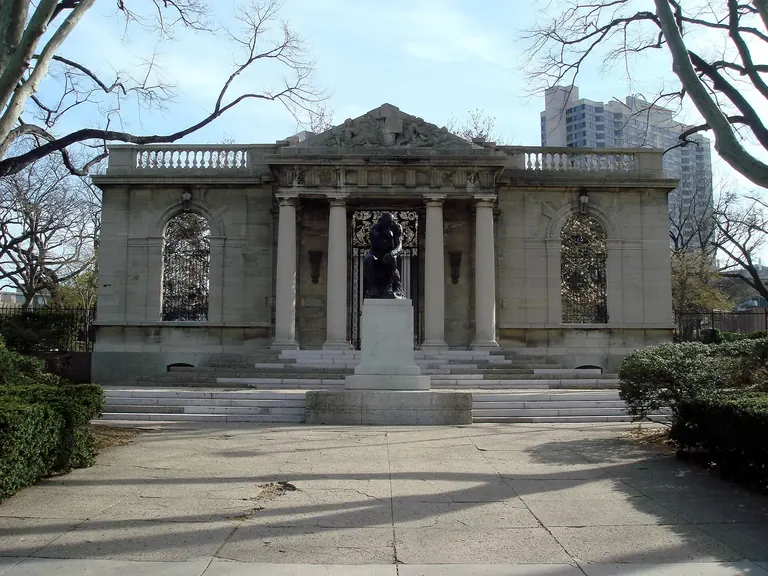
Image credits
9
- Revolutionary BotanyCourtesy of Mütter Museum
- Botany of NationsCourtesy of Academy of Natural Sciences of Drexel University
- Native Plants on the Parkway: A Botany of Nations GardenCourtesy of Academy of Natural Sciences of Drexel University
- Noguchi to Asawa: Designing Postwar America© Leo Amino Estate. Courtesy of the estate and David Zwirner
- Mütter Museum颐园居 / Wikimedia Commons, CC BY 4.0
- The Franklin Instituteajay_suresh via Wikimedia Commons, CC BY 2.0
- Academy of Natural Sciences of Drexel Universityajay_suresh, via Wikimedia Commons, CC BY 2.0
- Barnes FoundationThekohser, via Wikimedia Commons, CC BY-SA 4.0
- Rodin MuseumBobak Ha'Eri, via Wikimedia Commons, CC BY 3.0