 i
Mütter MuseumLogan Square / Rittenhouse
Creating a City of Medicine
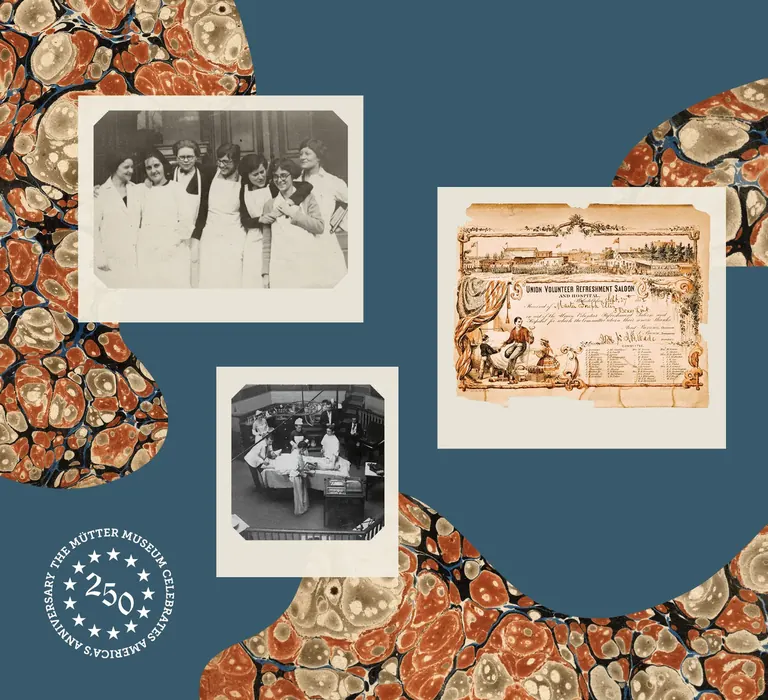
250 years of Philadelphia's impact on how Americans have learned, taught, practised and experienced medicine, told through the College's own archive.
More in Philadelphia
Yellow fever "just slams into Philadelphia in the summer of 1793," curator Sara Ray told 6abc, and "10% of the city died within a couple of months." The outbreak split the city's physicians and set off a mutual aid response, and that is where the show starts.
You walk into the Norris Gallery and move forward in time through five sections: the epidemic, the Medical Marketplace (most people were treated at home, since hospitals meant "death and poverty"), a City of Medical Education, Medicine in Wartime, and the germ revolution of the 1880s. Benjamin Rush shares the room with Richard Allen, Absalom Jones and the Woman's Medical College of Pennsylvania, the world's first degree-granting women's medical school.
It's instruments, teaching models and old books from the College's collections, not specimens. Entry is included with a Mütter ticket ($25 adults), and medical, nursing and public health students get $15 off with code MEDSTUDY250.
Look for
The wooden leg
Look in the Medicine in Wartime section for a very early wooden prosthetic leg from the mid-1800s, from the war that also pushed forward anesthesia and reconstructive surgery.
Good for
- Nerding Out
- Out-Of-Town Guests
Skip if
You only want the Mütter's specimens: this show is instruments, teaching models and old books.
Also at Mütter Museum
On now nearby
Nearby
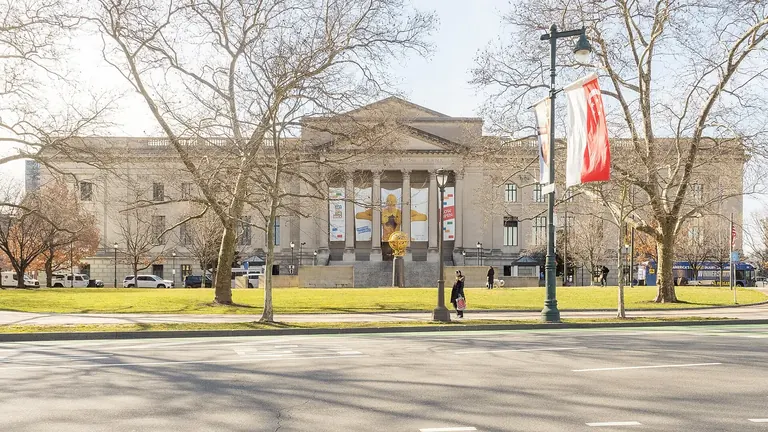
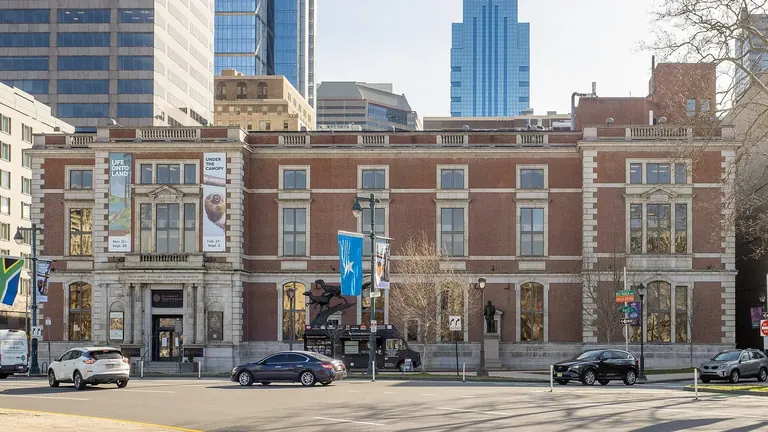
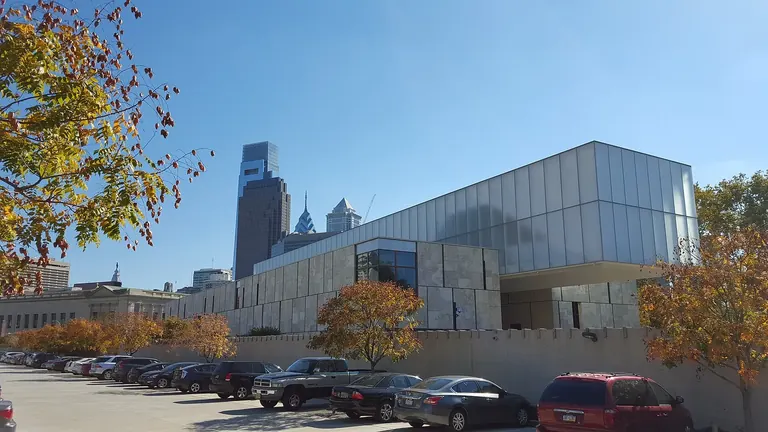
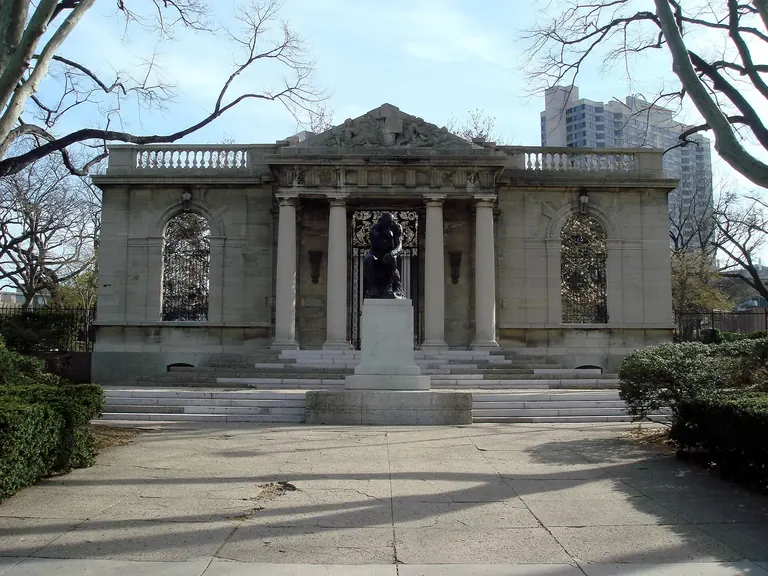
Image credits
9
- Creating a City of MedicineCourtesy of Mütter Museum
- Botany of NationsCourtesy of Academy of Natural Sciences of Drexel University
- Native Plants on the Parkway: A Botany of Nations GardenCourtesy of Academy of Natural Sciences of Drexel University
- Noguchi to Asawa: Designing Postwar America© Leo Amino Estate. Courtesy of the estate and David Zwirner
- Mütter Museum颐园居 / Wikimedia Commons, CC BY 4.0
- The Franklin Instituteajay_suresh via Wikimedia Commons, CC BY 2.0
- Academy of Natural Sciences of Drexel Universityajay_suresh, via Wikimedia Commons, CC BY 2.0
- Barnes FoundationThekohser, via Wikimedia Commons, CC BY-SA 4.0
- Rodin MuseumBobak Ha'Eri, via Wikimedia Commons, CC BY 3.0