 i
Museum of the American RevolutionOld City
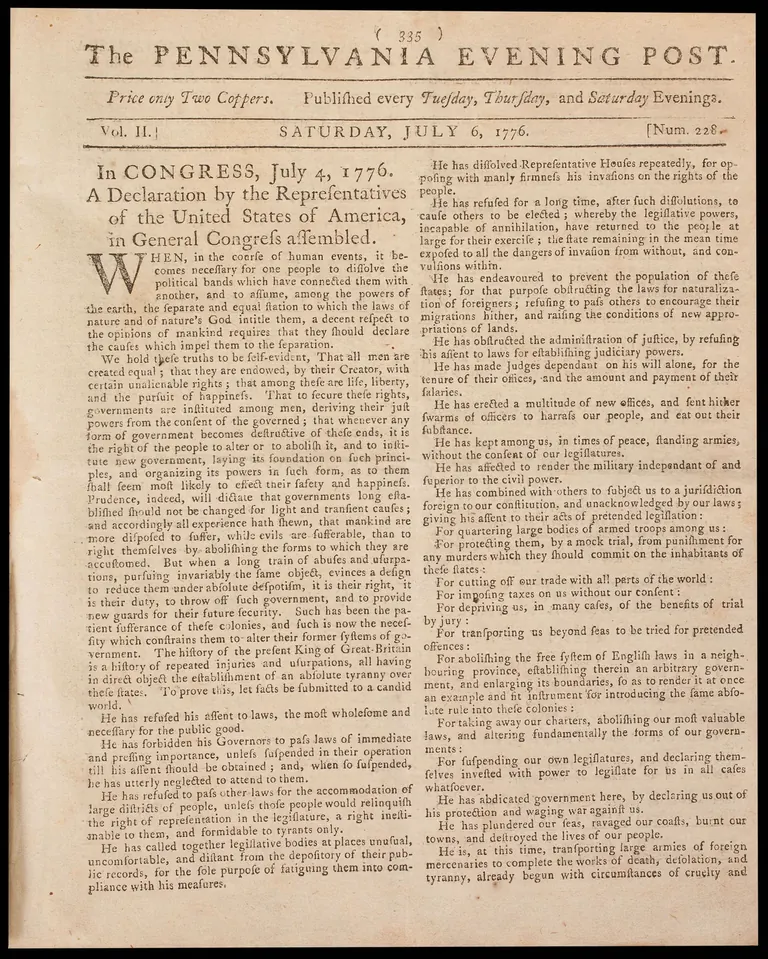
The Declaration's Journey
Over 120 artifacts, including six historic printings of the Declaration of Independence, trace how its promise of liberty travelled the world from 1776 to today.
More in Philadelphia
You walk in to two seats. One is Thomas Jefferson's Windsor chair, with the pivoting armrest he's believed to have written on in Philadelphia in 1776. Beside it is the steel bench Martin Luther King Jr. sat on in a Birmingham jail cell in April 1963 while drafting his letter.
From there, four color-coded chapters run from 1776 to today through a 5,000-square-foot gallery on the first floor: more than 120 objects from 50 lenders, and stories from nearly 20 countries that borrowed the Declaration's words. A four-minute film in a circular theater sets it up. Broad Street Review's critic found the show sometimes dazzling and sometimes disheartening, mostly at the gap between the signers' words and their deeds.
It's included with general admission, and an audio tour in six languages costs $5 extra. Visit Philly suggests 30 minutes for the highlights and over an hour to read it properly.
Editor's pick
You walk in to two seats: Jefferson's Windsor chair with its pivoting writing arm, and the steel bench Martin Luther King Jr. sat on in a Birmingham jail. Broad Street Review found it sometimes dazzling, sometimes disheartening.
Look for
Jefferson's chair and King's bench
Look for the Windsor chair's pivoting armrest, used as a writing surface, set right beside the plain steel jail bench from Birmingham.
A stone from the Bastille
Salvaged from the prison and later engraved with portraits of Louis XVI, Lafayette and Bailly, plus the Latin motto "liberty comes from unity".
Lincoln's debate scrapbook
Newspaper clippings Lincoln assembled for his 1858 debates with Douglas, with his own handwritten brackets around a passage of the Declaration.
The Haitian cannon
A bronze cannon cast in France and shipped to the plantation colony of Saint-Domingue, shown next to a manuscript copy of the Haitian Declaration.
Gilbert Baker's rainbow flag
An early version of the Pride flag signed by its designer, displayed with a piece of ceiling from the Stonewall Inn.
Good for
- Going Solo
- Nerding Out
- Out-Of-Town Guests
Skip if
You came for the war itself: this show follows the Declaration's afterlife, from 1776 to today.
With kids
A printed family guide has kids stamping a passport at stations through the gallery, with try-on clothing, pop-up talks and a discovery cart of replica objects. Youth tickets (6 to 17) are $14; under-6s are free.
Also at Museum of the American Revolution
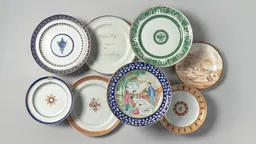
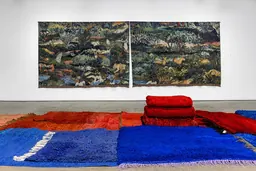
On now nearby
Nearby
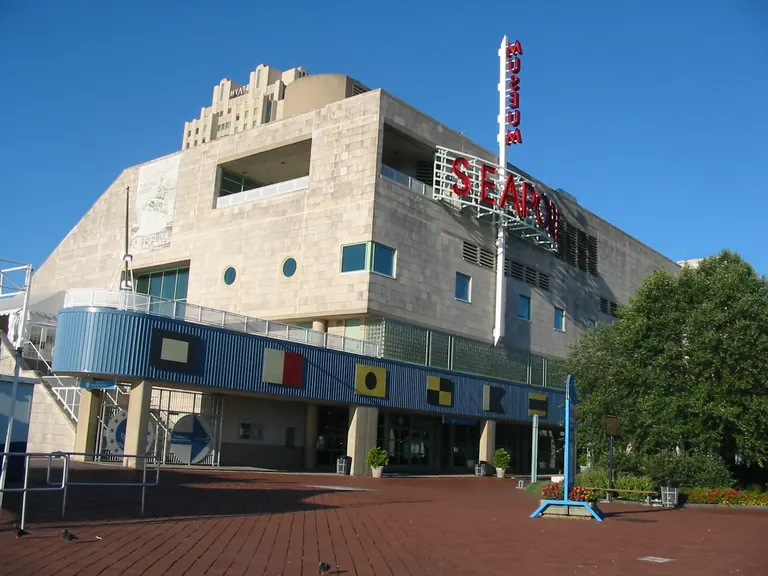
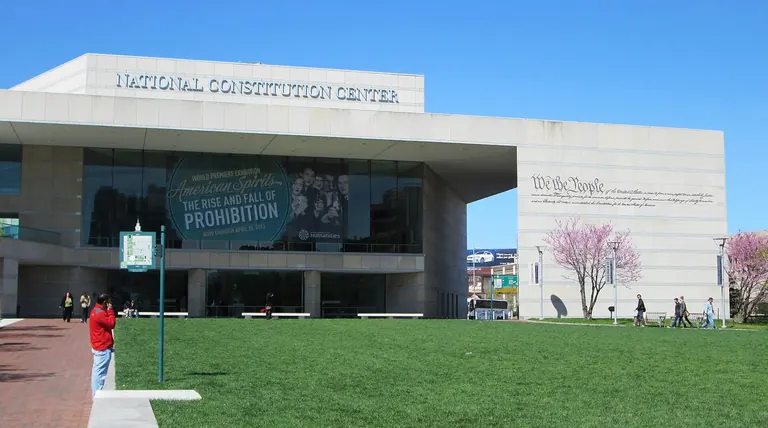
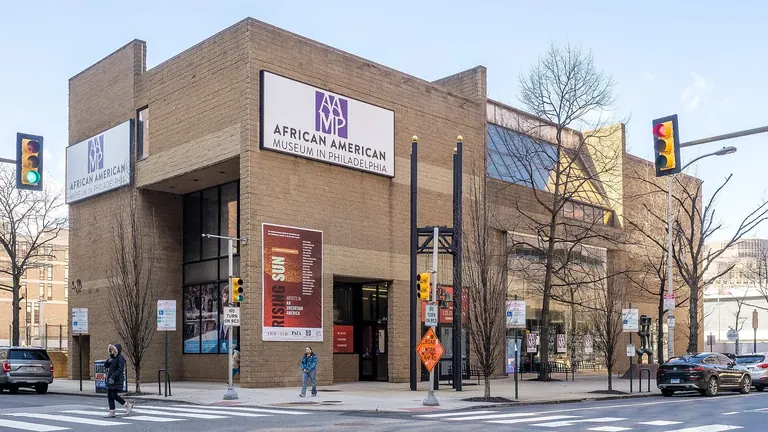
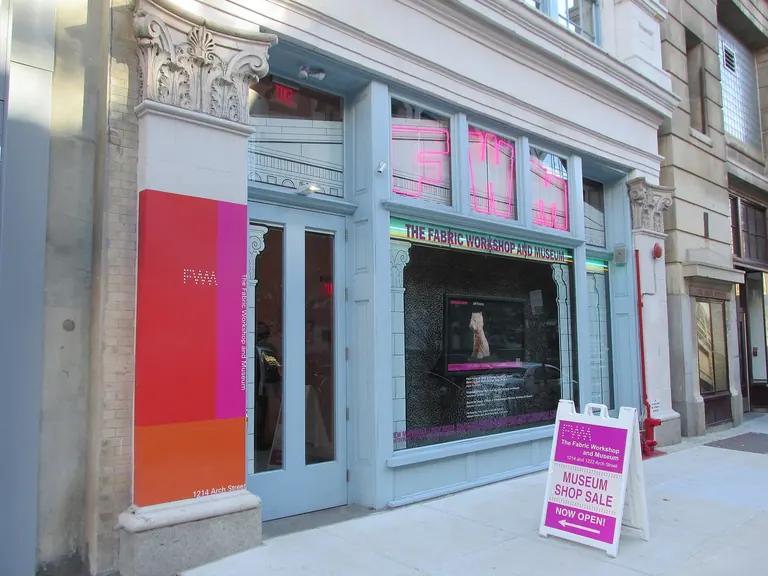
Image credits
8
- The Declaration's JourneyPennsylvania Evening Post / Wikimedia Commons, Public domain
- Seeking Profit and Power: Philadelphia, China Trade, and the Making of AmericaCourtesy of Independence Seaport Museum
- You Stretched Diagonally Across It: Contemporary TapestryPhoto credit: Constance Mensh.
- Museum of the American Revolutionajay_suresh / Wikimedia Commons, CC BY 2.0
- Independence Seaport MuseumGeorge100 via Wikimedia Commons, CC BY-SA 3.0
- National Constitution CenterBeyond My Ken, via Wikimedia Commons, CC BY-SA 4.0
- African American Museum in Philadelphiaajay_suresh via Wikimedia Commons, CC BY 2.0
- The Fabric Workshop and MuseumJohn Phelan, via Wikimedia Commons, CC BY-SA 3.0