Musée du quai Branly - Jacques Chirac7e arrondissement
First Nations
Arts and culture of the Northwestern United States, exploring First Nations artistic traditions featuring mythical beings and spirit animals such as the Raven.
More in Paris
You walk in past a 6.20-metre cedar pole by the Haida chief James Hart: three watchmen at the top and a bear sticking out her tongue. The museum's friends gave it for the museum's 20th birthday, and from February 2027 it stands for good in the main hall.
Behind it, six sections in the Galerie Jardin cover the coast between Alaska and northern California. The first is masks (the show has more than 80), with Raven, creator and ancestor of the clans, among the figures. Then the potlatch, the gift-giving feast Canada banned from 1885 to 1951, and the colonial laws, epidemics and removal of children that Sortiraparis found the harsh part of the visit. The last section turns to living artists such as Robert Davidson and Michael Nicoll Yahgulanaas, and to objects once owned by André Breton, Claude Lévi-Strauss and Max Ernst.
Entry is the €14 museum ticket (€11 reduced), but access is only guaranteed with a booked time slot. It stays open until 22:00 on Thursdays.
Look for
James Hart's Haida pole
Look up at the entrance: 6.20 metres of cedar, highlighted with pigments, with three watchmen on top and a bear sticking out her tongue.
The raven that opens into a man
A 19th-century Kwakwaka'wakw mask with hinged panels: closed it is a raven's head, opened it reveals a human face.
A Tlingit clan hat
Made in Alaska around 1860 to 1870, it shows a wide-eyed bear with a row of abalone-shell teeth and a red-throated loon on top, painted red, black and copper blue-green.
Shaman riding a bear
A carved figure from British Columbia, made before 1850, of a man sitting astride a bear.
Good for
- Evening Visits
- Nerding Out
With kids
Family guided tours for ages 6 and up run from 11 to 28 October, and the Métamorphoses children's film festival runs from 17 to 25 October.
Also at Musée du quai Branly - Jacques Chirac
On now nearby
Nearby
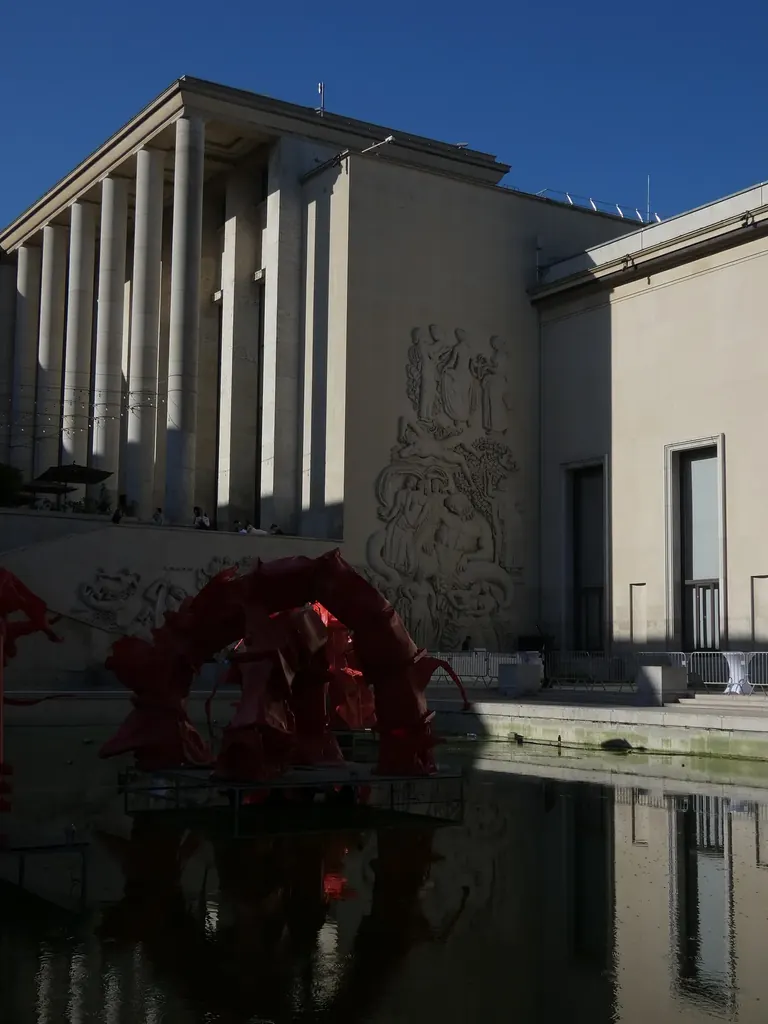
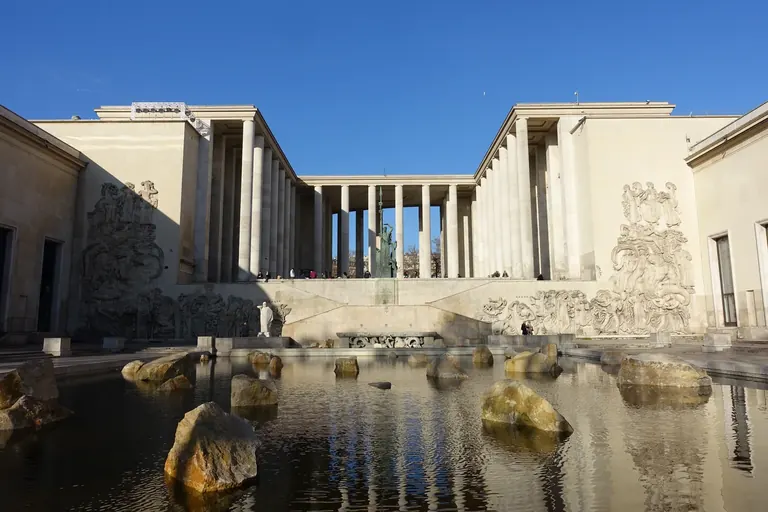
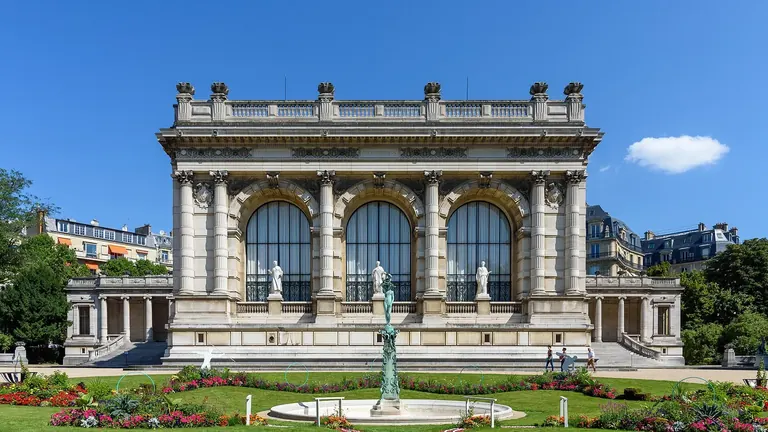
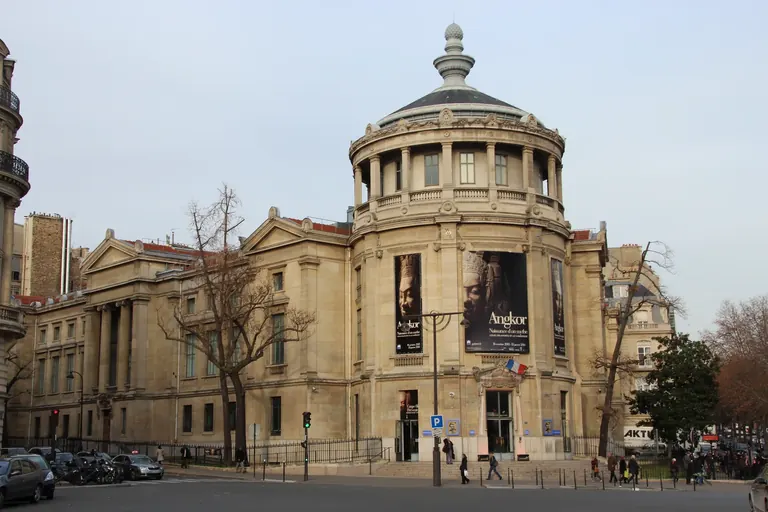
Image credits
8
- Florian Krewer: woven thinCourtesy of Musée d'Art Moderne de Paris (MAM)
- Kerry James Marshall: The HistoriesCourtesy of Musée d'Art Moderne de Paris (MAM)
- Simone Fattal: Des villes au fond d'un lacPhoto : François Doury © Adagp, Paris, 2026
- Musée du quai Branly - Jacques ChiracJean-Pierre Dalbera, CC BY 2.0
- Musée d'Art Moderne de Paris (MAM)Lustucrucaca / Wikimedia Commons, CC BY-SA 4.0
- Palais de TokyoGuilhem Vellut via Wikimedia Commons, CC BY 2.0
- Palais Galliera - Musée de la Mode de ParisJoe deSousa / Wikimedia Commons, CC0
- Musée national des arts asiatiques - GuimetLionel Allorge / Wikimedia Commons, CC BY-SA 3.0