 i
Musée du quai Branly - Jacques Chirac
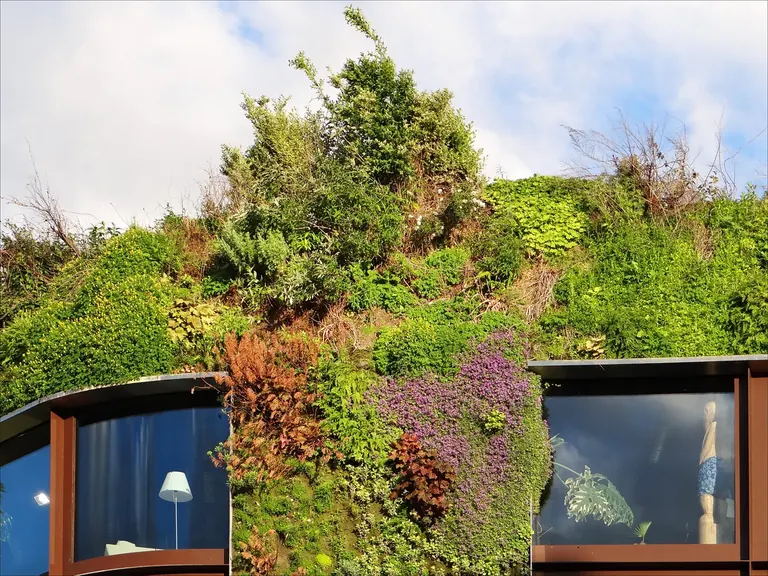
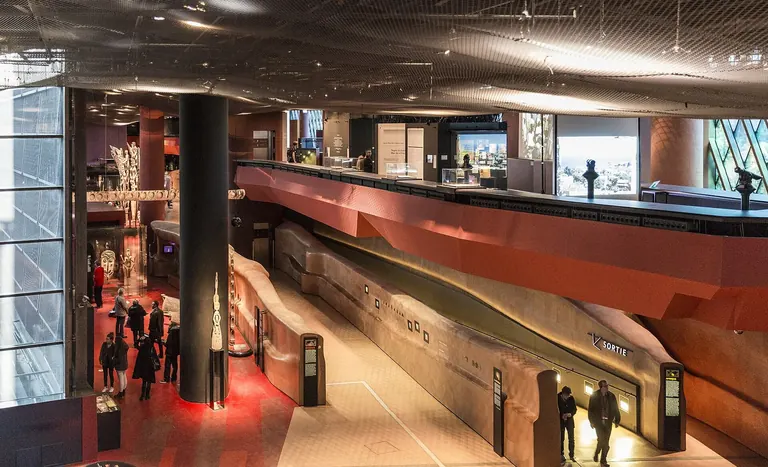
Opened in 2006 and designed by Jean Nouvel, the Musée du quai Branly - Jacques Chirac is devoted to the indigenous arts and cultures of Africa, Asia, Oceania and the Americas. Its collection holds more than a million objects, with around 3,500 shown at a time along a sinuous, dimly lit gallery on the riverbank near the Eiffel Tower. The building is wrapped in a garden and a living green wall by botanist Patrick Blanc, making the museum a landmark of contemporary architecture in its own right.
More in Paris
What's On

Echoes of the Tides
An installation by Yo-E Ryou in the music box of the Collections Plateau, unfolding through sound, breath and duration to explore resonance between bodies, water and memory.
First Nations
Arts and culture of the Northwestern United States, exploring First Nations artistic traditions featuring mythical beings and spirit animals such as the Raven.
See Tahiti. Early Photographs, 1859-1870
A rare photographic collection from French Polynesia's earliest decade of photography, featuring works by naval officers Gustave Viaud and Paul Emile Miot.
Silent Violence: Through the Eyes of Romeo Mivekannin
Artist Romeo Mivekannin uses mirror effects and metal sculptures to examine the history of colonial exhibitions and human zoos, reinterpreting historical ethnographic photographs from the museum's collection.
Le sentiment du monde. Carte blanche au Centre Pompidou
The Centre Pompidou hangs works by several generations of artists inside the museum's permanent route, setting formal echoes and critical reinterpretations of tradition against the collections.
Aïnous. Une voix du Japon
The first exhibition by a French national museum on the Ainu, Indigenous people of northern Japan. Contemporary Indigenous art links past and present, with loans from Japan's national Ainu museum.
Rois et reines d'Afrique. Formes et figures du pouvoir
Ten centuries and twenty kingdoms of sub-Saharan Africa: crowns, thrones, sceptres, royal masks and contemporary works on how art expressed and legitimised power. First shown at the Louvre Abu Dhabi.
Préserver pour transmettre. Les coulisses de la conservation des collections
The hidden conservation work behind the collections: identifying materials, protecting objects, and the limits of restoration, shown with before-and-after objects and scientific images.
Les images qui restent, les images qui manquent. Photographies du Népal
A display in the Boîte arts graphiques of the museum's Nepal photographs, from 19th-century royal portraits to contemporary photographer Prasiit Sthapit, on how images shaped the country's visibility.
Miriam Makeba. Diva panafricaine
The life of the singer and anti-apartheid activist, exiled from South Africa in 1959, who became a world star with Pata Pata and a voice for civil rights and Pan-Africanism.
Plan Your Visit
Getting there
37 Quai Branly, 75007 Paris, France
Nearest station: RER C - Pont de l'Alma, Metro Alma-Marceau (line 9) and Metro Iena (line 9)
Show on mapHours
| MonToday | Closed |
| Tue | 10:30–19:00 |
| Wed | 10:30–19:00 |
| Thu | 10:30–22:00 |
| Fri | 10:30–19:00 |
| Sat | 10:30–19:00 |
| Sun | 10:30–19:00 |
Admission
From €14
Combined ticket includes permanent collections and temporary exhibitions; reduced 11 EUR. Free on the first Sunday of each month and for under-26 EEA residents.
Last verified
Nearby
Visitor Information
- How much does Musée du quai Branly - Jacques Chirac cost?
- Standard adult admission to Musée du quai Branly - Jacques Chirac is €14. Combined ticket includes permanent collections and temporary exhibitions; reduced 11 EUR. Free on the first Sunday of each month and for under-26 EEA residents.. Prices for special exhibitions and timed-entry slots may differ.
- What are the opening hours of Musée du quai Branly - Jacques Chirac?
- Musée du quai Branly - Jacques Chirac is open Tue-Sun 10:30-19:00, Thursday until 22:00; closed Mondays, 1 May and 25 December.. Holiday hours can vary, so check the museum's website before you go.
- Where is Musée du quai Branly - Jacques Chirac?
- Musée du quai Branly - Jacques Chirac is located at 37 Quai Branly, 75007 Paris, France, in the 7e arrondissement area of Paris. The nearest stations are RER C - Pont de l'Alma, Metro Alma-Marceau (line 9) and Metro Iena (line 9).
- What can I see at Musée du quai Branly - Jacques Chirac?
- Jean Nouvel's garden-wrapped museum on the Seine devoted to the indigenous arts of Africa, Asia, Oceania and the Americas. Current highlights include Miriam Makeba. Diva panafricaine, Aïnous. Une voix du Japon and Le sentiment du monde. Carte blanche au Centre Pompidou.
- Do I need to book Musée du quai Branly - Jacques Chirac in advance?
- Booking ahead is recommended, especially for weekends, school holidays, and special exhibitions. Tickets are normally on the museum's website, and a pre-booked timed slot helps you avoid queues at the entrance.
- When is the best time to visit Musée du quai Branly - Jacques Chirac?
- Weekday mornings shortly after opening are typically the quietest, especially mid-week. Late afternoons can also be calmer. Weekends, school holidays, and the lunch rush are the busiest periods.
Image credits
7
- Musée du quai Branly - Jacques ChiracJean-Pierre Dalbera, CC BY 2.0
- Echoes of the TidesMusee du quai Branly - Jacques Chirac
- Le plateau des Collections (Permanent Collection)Ninara, CC BY 2.0
- Musée d'Art Moderne de Paris (MAM)Lustucrucaca / Wikimedia Commons, CC BY-SA 4.0
- Palais de TokyoGuilhem Vellut via Wikimedia Commons, CC BY 2.0
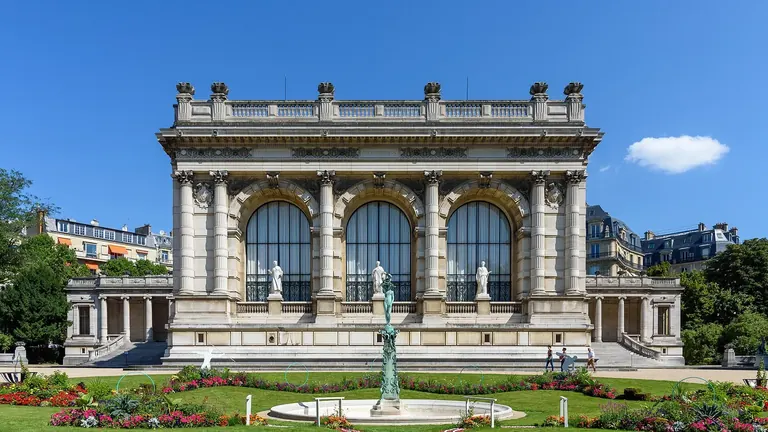
- Palais Galliera - Musée de la Mode de ParisJoe deSousa / Wikimedia Commons, CC0
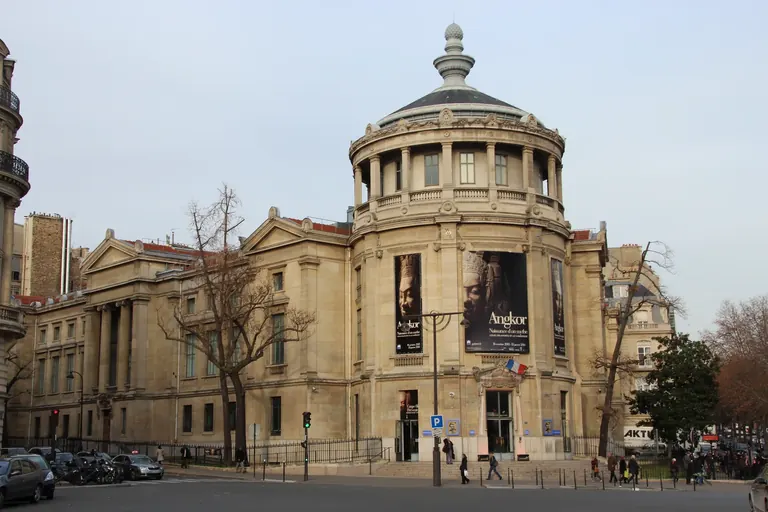
- Musée national des arts asiatiques - GuimetLionel Allorge / Wikimedia Commons, CC BY-SA 3.0