 i
Louvre · 1er arrondissement
Hosts at the Louvre: Kader Attia and Elizabeth Peyton
Contemporary artists Kader Attia and Elizabeth Peyton present the results of their two-year Louvre residencies, offering intersecting interpretations of the museum and its collections.
More in Paris
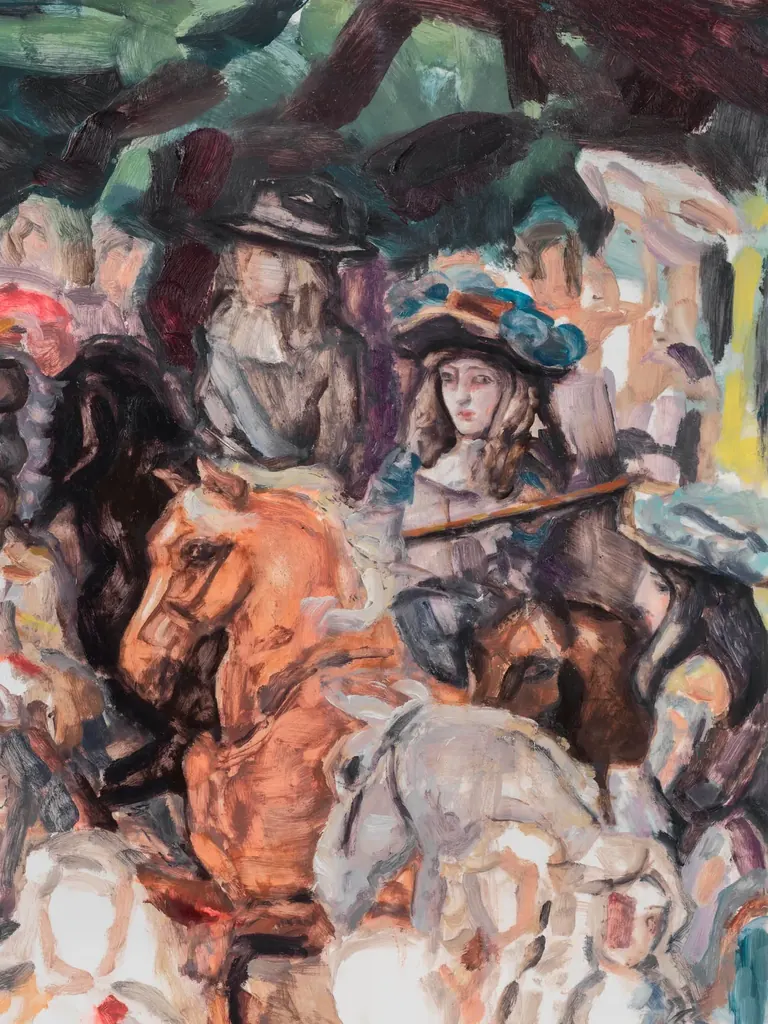
Elizabeth Peyton painted her Chopin in 1988, working from Delacroix's portrait of the composer, and she calls it the start of her relationship with French culture. After two years with a studio inside the palace, she hangs it beside new copies of Titian, Le Brun and Delacroix, plus portraits of people from Flaubert to a sitter called Jules.
She shares the Salle de la Chapelle, in the Sully wing, with Kader Attia, her former studio neighbour. His half is harder going. Passés décomposés pairs a looping film about Algerian civilians suffocated in a cave in 1845, on Marshal Bugeaud's orders, with a wooden bust of Bugeaud studded with broken mirror. Bugeaud's bronze statue still stands on the Louvre's Rivoli facade. Nearby, seven convex mirrors bend you into an image you can't settle in.
The museum gives 45 minutes, with texts in French and English. Entry is included in the Louvre ticket, and the museum stays open until 9pm on Wednesdays and Fridays.
Look for
Attia's Bugeaud bust
A wooden bust of Marshal Bugeaud, its head bristling with shards of broken mirror, paired with a looping film about the 1845 cave killings in Algeria.
Seven convex mirrors
Attia's untitled set of seven convex mirrors distorts everyone in front of them, so each visitor has to find a place in an unstable image.
Peyton's Chopin, 1988
An early oil after Delacroix's portrait of the composer, the painting Peyton says began her relationship with French culture.
L'Ami, after Titian
Peyton's pastel and coloured-pencil drawing on black paper after Titian's Man with a Glove, a portrait from the Louvre's own collection.
Good for
- An Hour Or Less
- Evening Visits
- Locals Who've Seen It All
About 45 min
Skip if
You want a light visit: Attia's half centres on a colonial massacre in Algeria.
Also at Louvre
- Affinities: Islamic Art Wonders in the Department of Decorative Arts24 June 2026 – 6 December 2026
- Michel Lacoste's Donation: Precious Metalwork from Pierre Mangot to Jean-Elisee Puiforcat26 June 2026 – 11 January 2027
- Sculpting Colour: Masterpieces from the Museo Nacional de Escultura, Valladolid7 October 2026 – 25 January 2027
On now nearby

Nearby
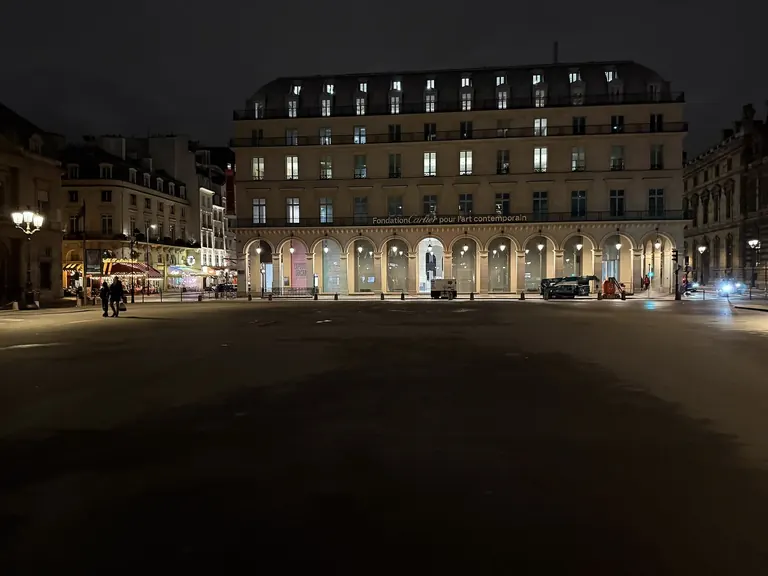
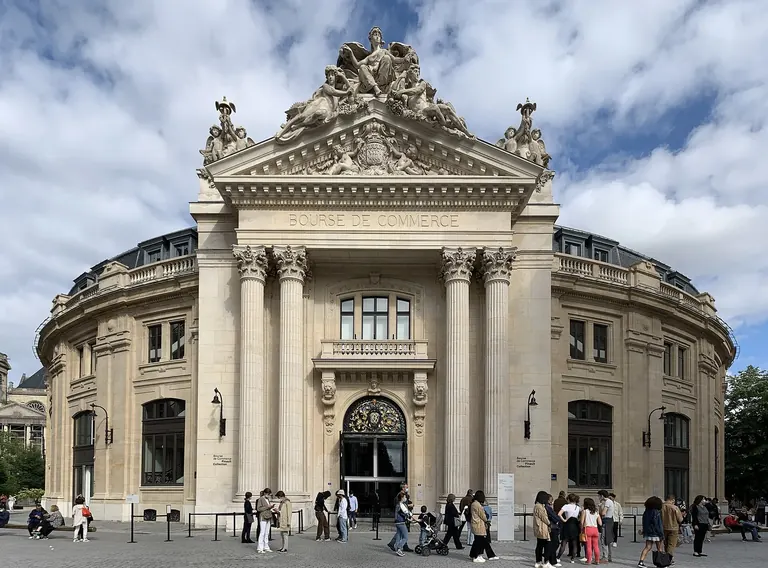
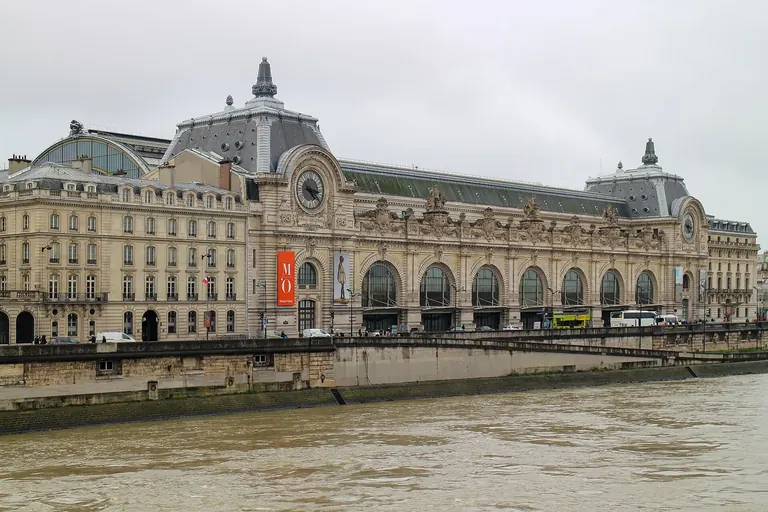
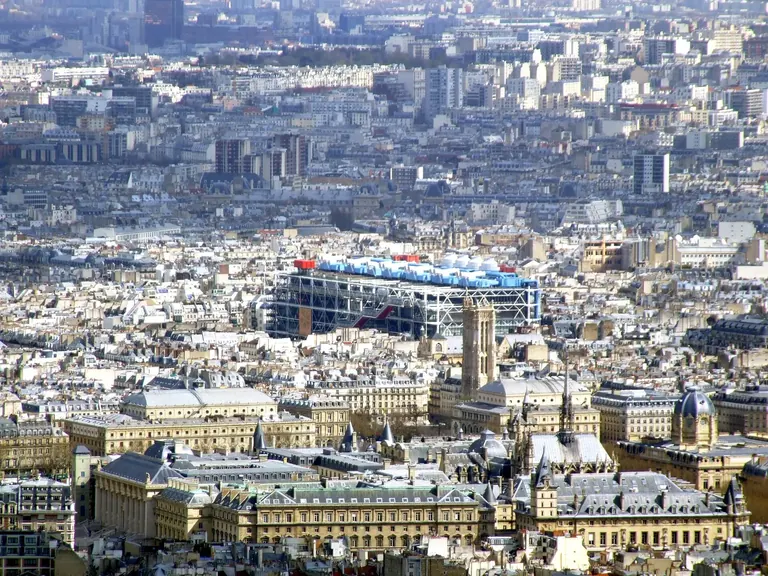
Image credits
9
- Hosts at the Louvre: Kader Attia and Elizabeth PeytonCourtesy of Louvre
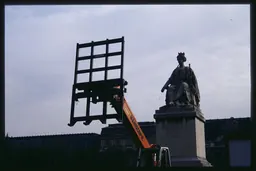
- Raymond Hains: A Work Under Construction. From the Grand Louvre to the 3 Cartier© Raymond Hains, Adagp, Paris, 2026
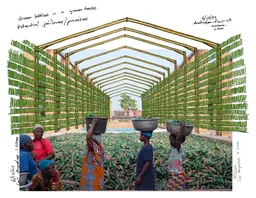
- The Harvest Season - Ibrahim MahamaCourtesy of Fondation Cartier pour l'art contemporain
- The World According to PennCourtesy of Bourse de Commerce - Pinault Collection
- LouvreBenh Lieu Song, CC BY-SA 3.0
- Fondation Cartier pour l'art contemporainChabe01, CC BY-SA 4.0, via Wikimedia Commons, CC BY-SA 4.0
- Bourse de Commerce - Pinault CollectionChabe01, Wikimedia Commons, CC BY-SA 4.0
- Musée d'OrsaySuicasmo, via Wikimedia Commons, CC BY-SA 4.0
- Centre PompidouAlf van Beem / Wikimedia Commons, CC0