 i
Louvre
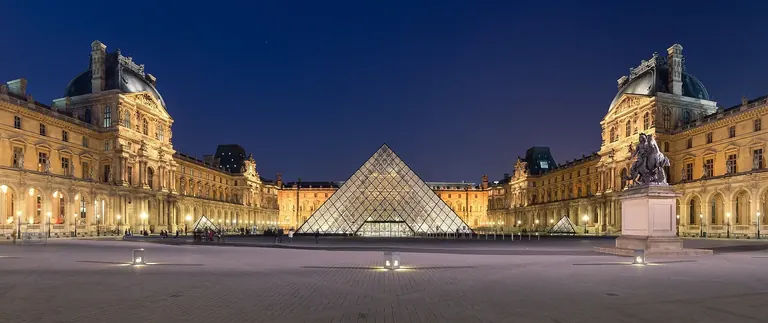
The Louvre is the world's largest and most-visited art museum, set in a former royal palace on the Right Bank of the Seine. Its eight departments display some 35,000 works spanning antiquity to the mid-19th century, from the Mona Lisa and Venus de Milo to vast Egyptian, Near Eastern and Greek collections. I.M. Pei's glass pyramid, completed in 1989, marks the grand subterranean entrance in the Napoleon Courtyard.
More in Paris
What's On
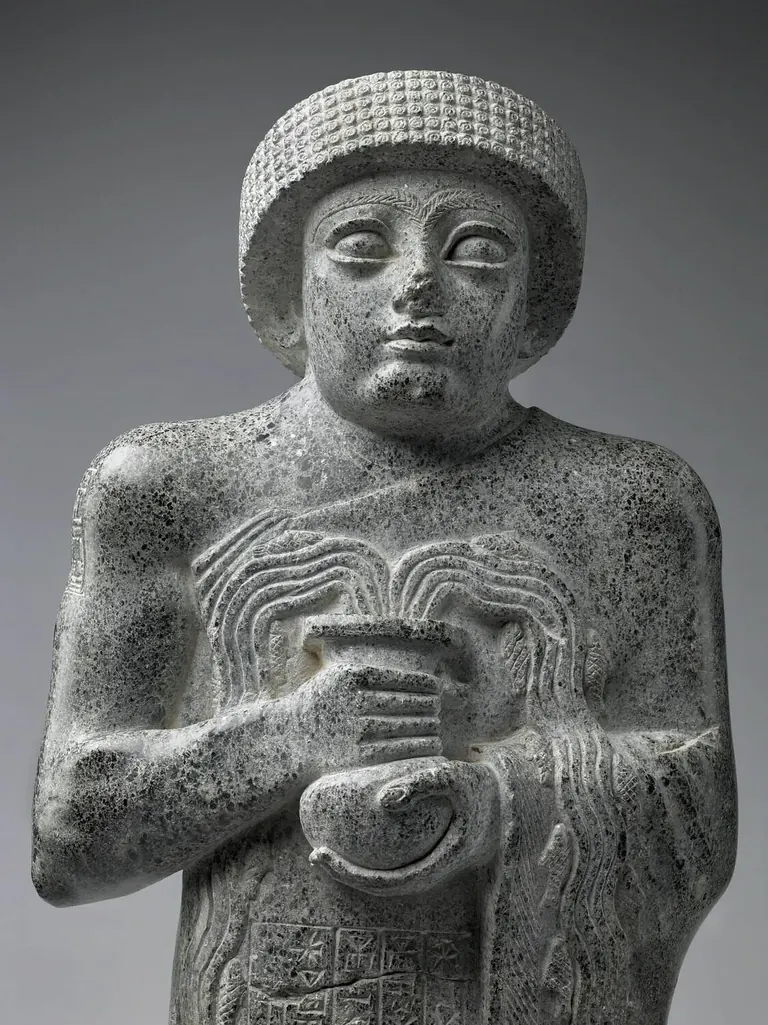
Primeval Waters: Lessons from Mesopotamia
An exploration of ancient Mesopotamia's relationship with water, tracing early canals and aqueducts and the environmental consequences of humanity's first great hydraulic engineering.
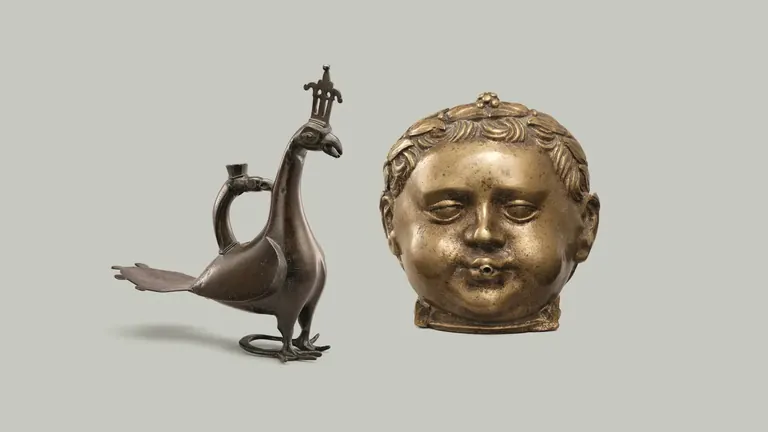
Affinities: Islamic Art Wonders in the Department of Decorative Arts
Around 50 Islamic artworks from the 9th to 17th centuries set among European decorative arts, revealing how Eastern techniques of light, colour and sculpture inspired Western craft.
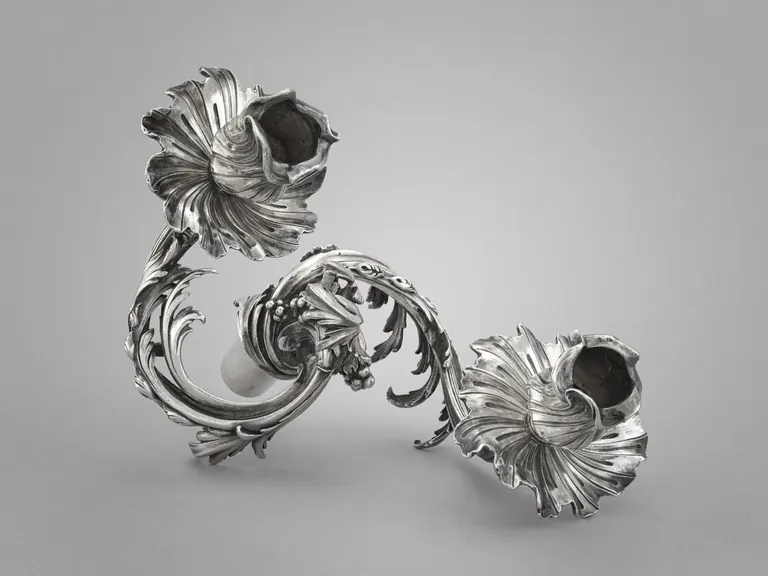
Michel Lacoste's Donation: Precious Metalwork from Pierre Mangot to Jean-Elisee Puiforcat
Around one hundred pieces of precious French metalwork from the 16th to 20th centuries, donated by Michel Lacoste, showcasing the technical skill and refinement of French silversmiths.
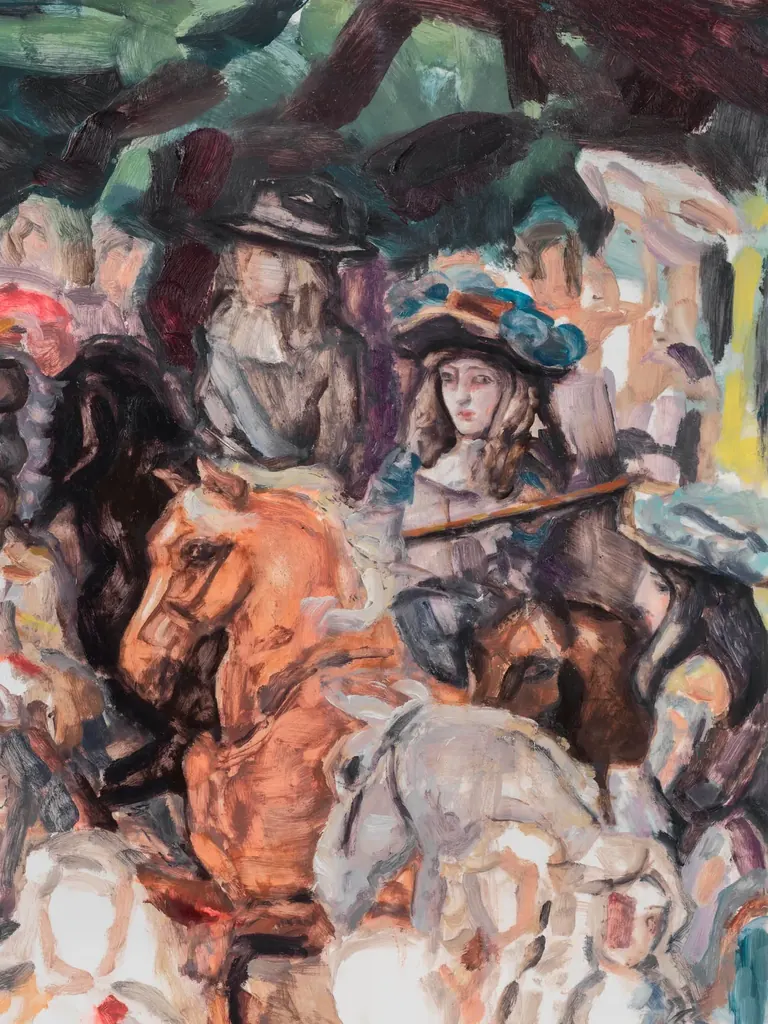
Hosts at the Louvre: Kader Attia and Elizabeth Peyton
Contemporary artists Kader Attia and Elizabeth Peyton present the results of their two-year Louvre residencies, offering intersecting interpretations of the museum and its collections.
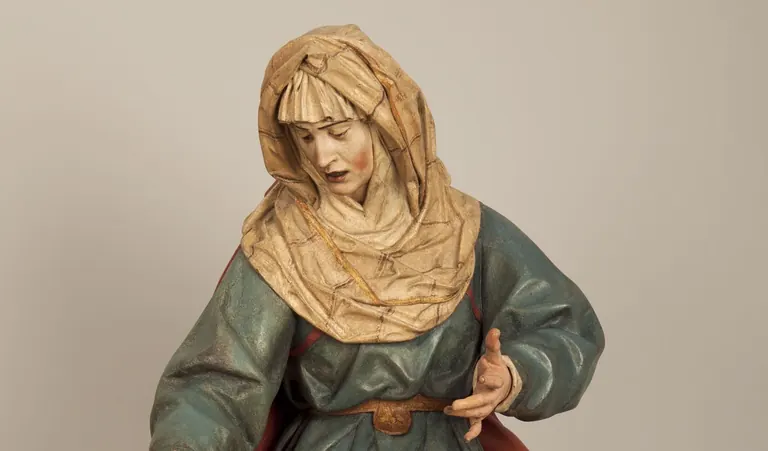
Sculpting Colour: Masterpieces from the Museo Nacional de Escultura, Valladolid
17th-century Spanish polychrome wooden religious sculptures, including a complete processional float by Gregorio Fernández with five life-size figures displayed at eye level.
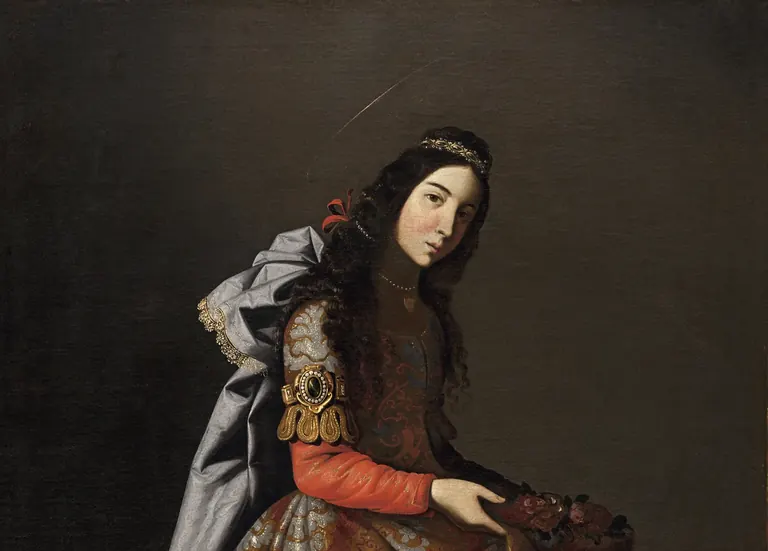
Zurbarán: 1598–1664
A major retrospective of the Spanish Golden Age painter Francisco de Zurbarán, spanning his monumental monastery commissions, portraits and still lifes alongside his influence on later French avant-garde artists.
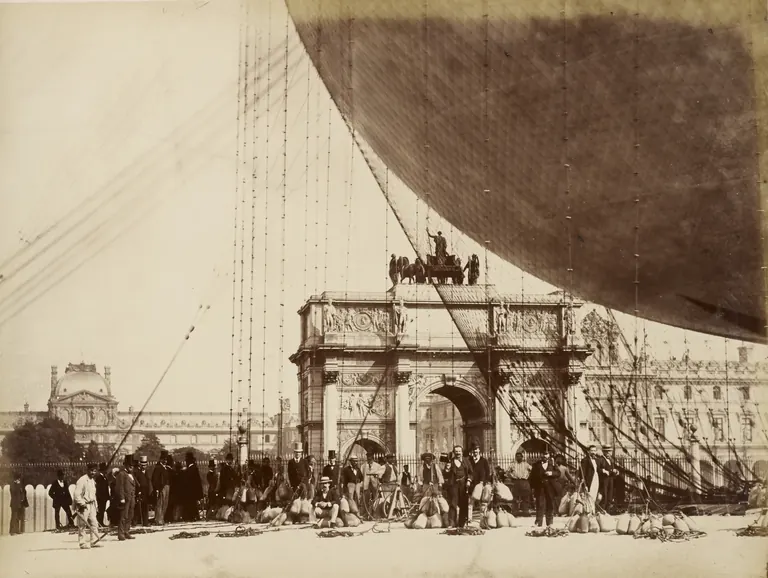
Louvre Photo
Over 300 photographs tracing the Louvre's own history, from the invention of photography to today, showing the museum as subject, model and source of inspiration.
Permanent Collections
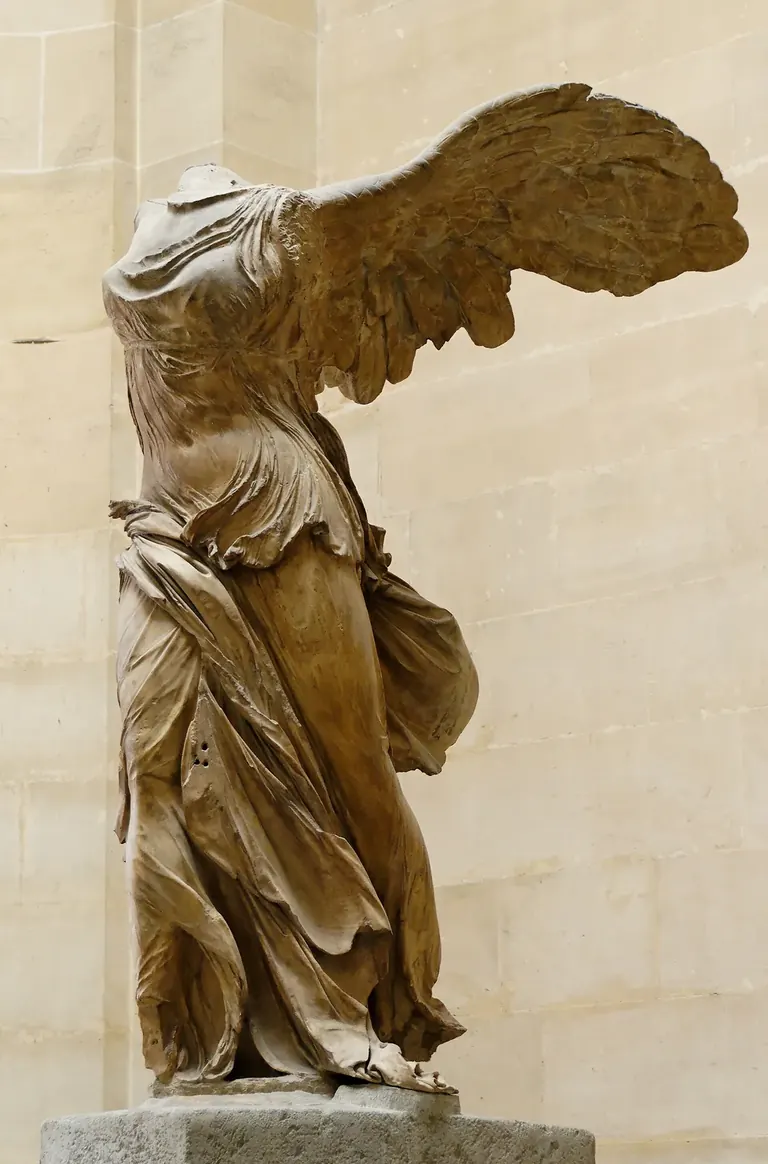
Winged Victory of Samothrace
The Hellenistic marble Nike (c.190 BC) alighting on a ship's prow atop the Daru staircase, discovered on the island of Samothrace in 1863.
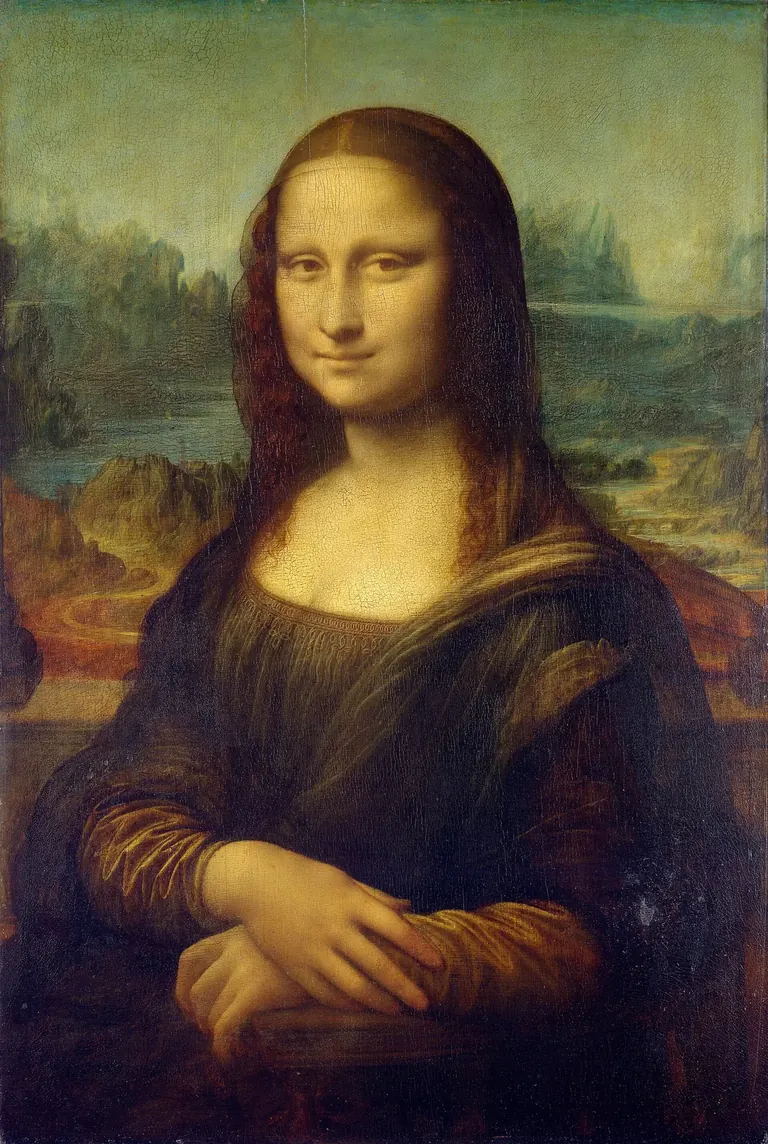
Mona Lisa (La Joconde)
Leonardo da Vinci's enigmatic portrait of Lisa Gherardini (c.1503-19), the world's most famous painting, displayed behind glass in the Salle des Etats of the Denon wing.
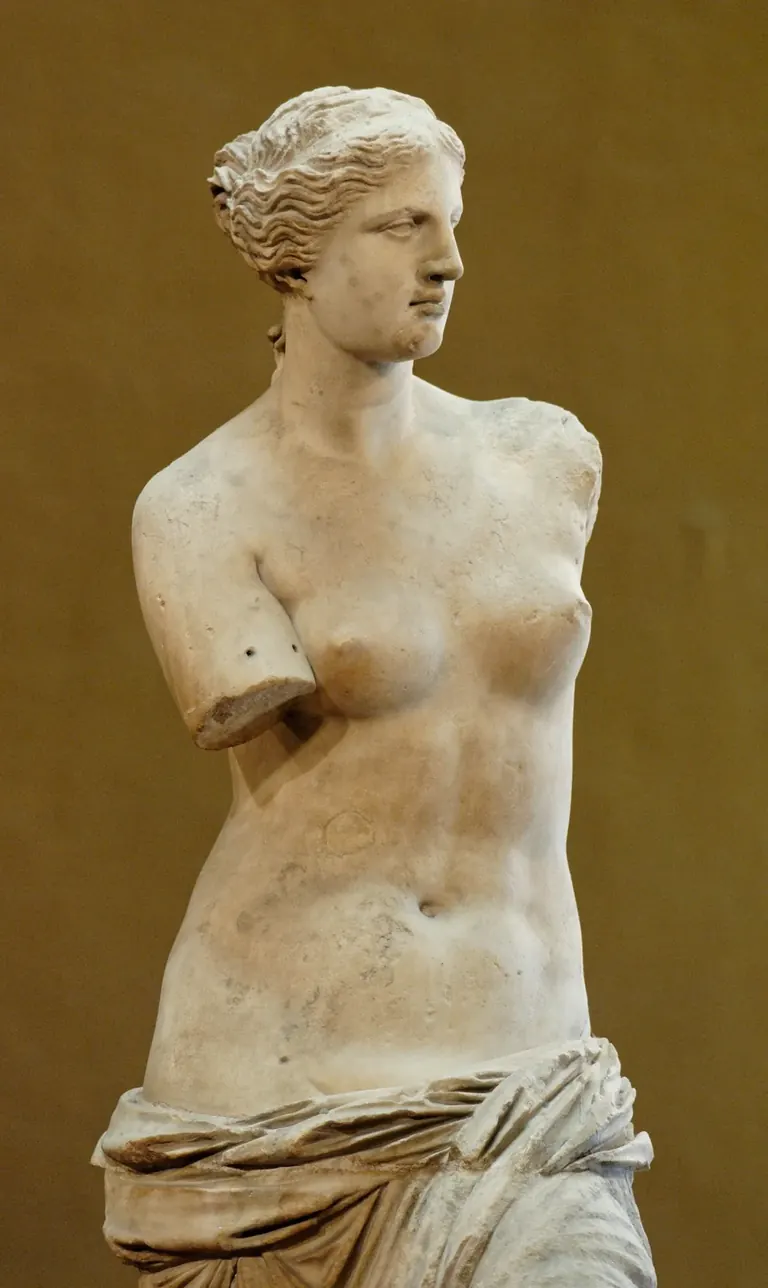
Venus de Milo
The celebrated Hellenistic marble of Aphrodite, carved around 100 BC and unearthed on the Greek island of Melos in 1820, a highlight of the Louvre's Greek antiquities.
Plan Your Visit
Getting there
Rue de Rivoli, 75001 Paris, France
Nearest station: Palais Royal-Musee du Louvre (Metro 1, 7), Louvre-Rivoli (Metro 1) and Pyramides (Metro 7, 14)
Show on mapHours
| MonToday | 09:00–18:00 |
| Tue | Closed |
| Wed | 09:00–21:00 |
| Thu | 09:00–18:00 |
| Fri | 09:00–21:00 |
| Sat | 09:00–18:00 |
| Sun | 09:00–18:00 |
Admission
From €22
EUR 22 for EEA residents, EUR 32 for non-EEA visitors; free for under-18s, under-26 EEA residents, and for all on the first Friday evening of the month (except Jul-Aug)
Last verified
Nearby
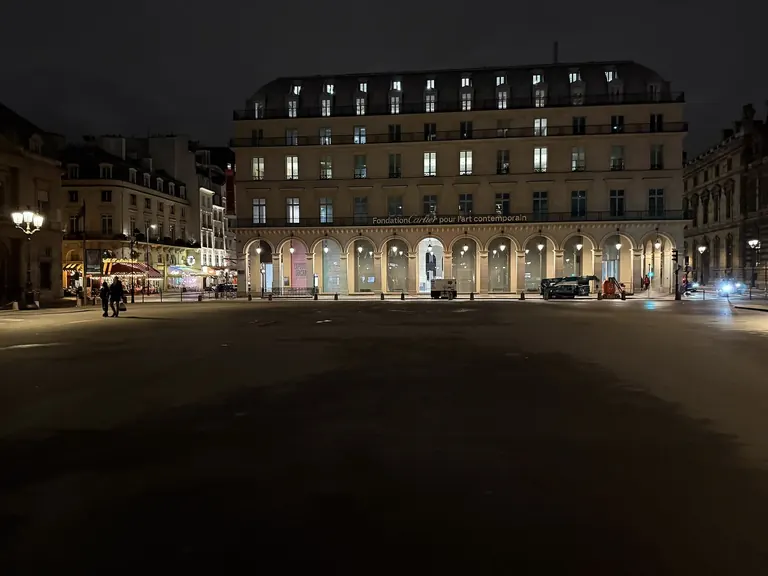
Visitor Information
- How much does Louvre cost?
- Standard adult admission to Louvre is €22. EUR 22 for EEA residents, EUR 32 for non-EEA visitors; free for under-18s, under-26 EEA residents, and for all on the first Friday evening of the month (except Jul-Aug). Prices for special exhibitions and timed-entry slots may differ.
- What are the opening hours of Louvre?
- Louvre is open Open daily 9am-6pm except Tuesdays, with late opening to 9pm on Wednesdays and Fridays. Last entry one hour before closing.. Holiday hours can vary, so check the museum's website before you go.
- Where is Louvre?
- Louvre is located at Rue de Rivoli, 75001 Paris, France, in the 1er arrondissement area of Paris. The nearest stations are Palais Royal-Musee du Louvre (Metro 1, 7), Louvre-Rivoli (Metro 1) and Pyramides (Metro 7, 14).
- What can I see at Louvre?
- The world's most-visited museum: a former royal palace beneath a glass pyramid, home to the Mona Lisa and 35,000 treasures. Current highlights include Winged Victory of Samothrace, Mona Lisa (La Joconde) and Primeval Waters: Lessons from Mesopotamia.
- Do I need to book Louvre in advance?
- Booking ahead is recommended, especially for weekends, school holidays, and special exhibitions. Tickets are normally on the museum's website, and a pre-booked timed slot helps you avoid queues at the entrance.
- When is the best time to visit Louvre?
- Weekday mornings shortly after opening are typically the quietest, especially mid-week. Late afternoons can also be calmer. Weekends, school holidays, and the lunch rush are the busiest periods.
Image credits
15
- LouvreBenh Lieu Song, CC BY-SA 3.0
- Winged Victory of SamothraceMarie-Lan Nguyen, Public domain
- Mona Lisa (La Joconde)Leonardo da Vinci / C2RMF, Public domain
- Primeval Waters: Lessons from MesopotamiaCourtesy of Louvre
- Hosts at the Louvre: Kader Attia and Elizabeth PeytonCourtesy of Louvre
- Sculpting Colour: Masterpieces from the Museo Nacional de Escultura, ValladolidCourtesy of Louvre
- Zurbarán: 1598–1664Courtesy of Louvre
- Affinities: Islamic Art Wonders in the Department of Decorative ArtsCourtesy of Louvre
- Louvre PhotoCourtesy of Louvre
- Michel Lacoste's Donation: Precious Metalwork from Pierre Mangot to Jean-Elisee PuiforcatCourtesy of Louvre
- Venus de MiloMarie-Lan Nguyen, Public domain
- Fondation Cartier pour l'art contemporainChabe01, CC BY-SA 4.0, via Wikimedia Commons, CC BY-SA 4.0
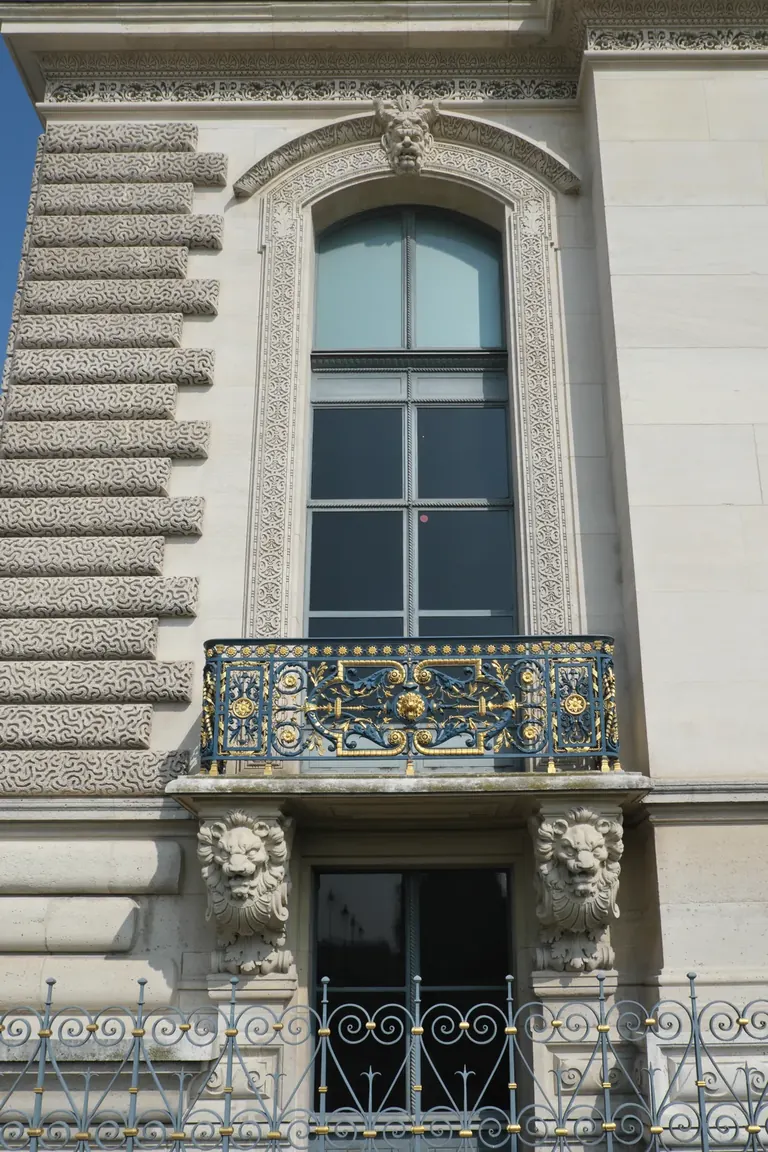
- MAD - Musée des Arts DécoratifsGFreihalter / Wikimedia Commons, CC BY-SA 4.0
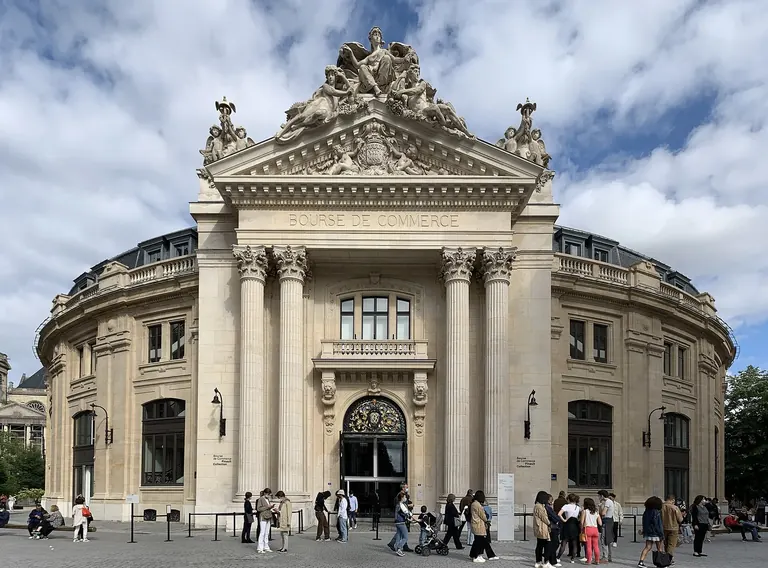
- Bourse de Commerce - Pinault CollectionChabe01, Wikimedia Commons, CC BY-SA 4.0
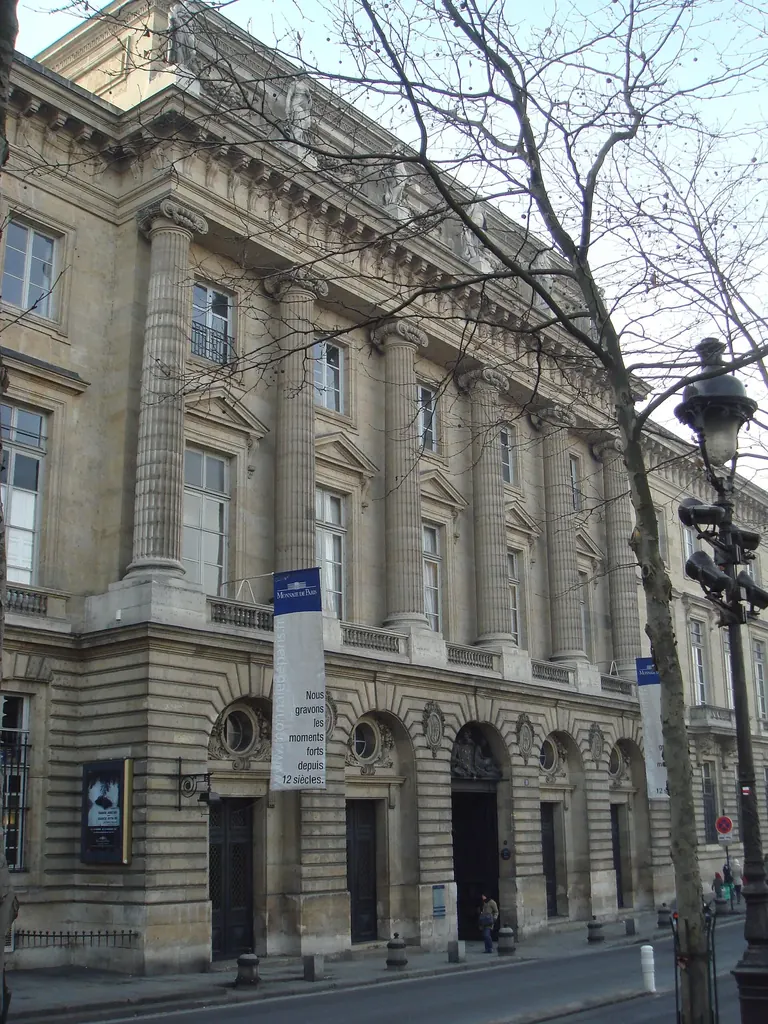
- Monnaie de Paris - musée du 11 ContiPHGCOM / Wikimedia Commons, CC BY-SA 3.0