 i
Museum of Modern Art (MoMA)Midtown Manhattan
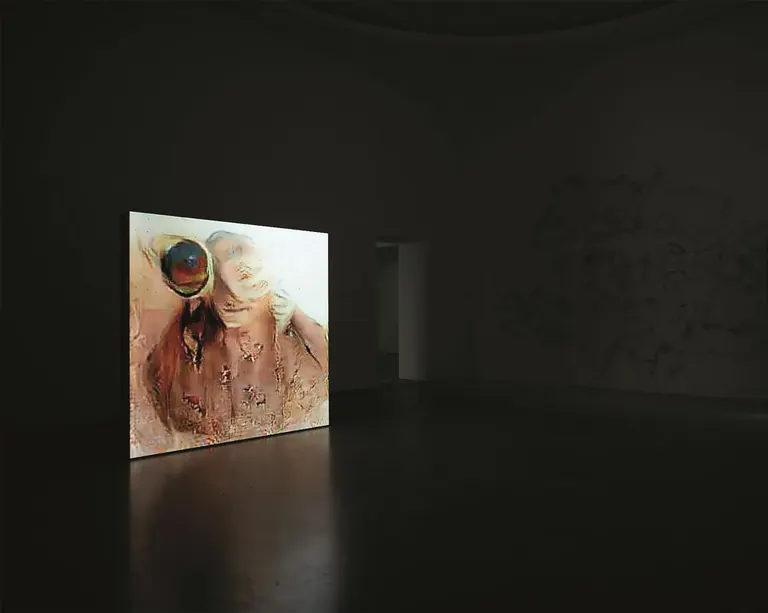
Pierre Huyghe: UUmwelt
Freestanding screens throughout the Abby Aldrich Rockefeller Sculpture Garden use machine learning and fMRI-derived data to generate hallucinatory images in real time, exploring nonhuman and machine cognition.
More in New York
One visitor's first impression was a horizon, and in the middle of a not-too-sharp video, "a tractor, or an oil rig". What they were looking at was a neural network's guess at a picture someone held in their head inside a brain scanner.
Huyghe worked with neuroscientists at Kamitani Lab (Kyoto University) and ATR. A person imagined images in an fMRI scanner, and the network turned the scans into thousands of visual interpretations. They play on freestanding screens spread through the Sculpture Garden, with sound. A sensor tracks where visitors look, and simulated cancer-cell mutations feed in too, together deciding which images appear next. The Times Square billboards a few blocks north ignore you, but this is the one screen in Midtown that notices where you look.
It is outdoors, so dress for the weather. It runs until 29 November and is included with general admission, $30 for adults. Expect fragments rather than finished pictures.
Editor's pick
Freestanding screens across MoMA's sculpture garden generate hallucinatory images in real time from machine learning and fMRI-derived data. The one MoMA show where you keep your coat on.
Look for
The gaze-reading screens
A sensor picks up where visitors are looking, and the imagery on the freestanding screens changes in real time as a result.
The tractor-or-oil-rig horizon
One visitor saw a blurry horizon with what looked like a tractor or an oil rig in the centre, the network's reading of a brain scan.
The cancer-cell sequencing
Simulated cancer-cell mutations help decide which images come next, so the sequence on the screens is never a fixed loop.
Good for
- Nerding Out
- Teenagers
Skip if
You want finished, legible pictures: MoMA describes the images as hallucinatory and fragmentary.
Also at Museum of Modern Art (MoMA)
On now nearby

Nearby
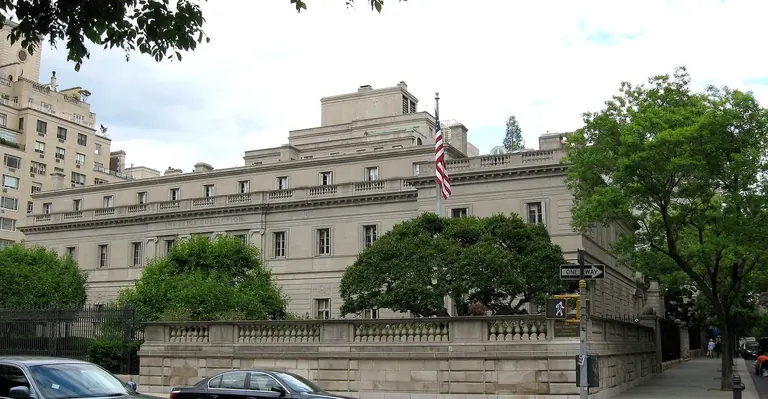
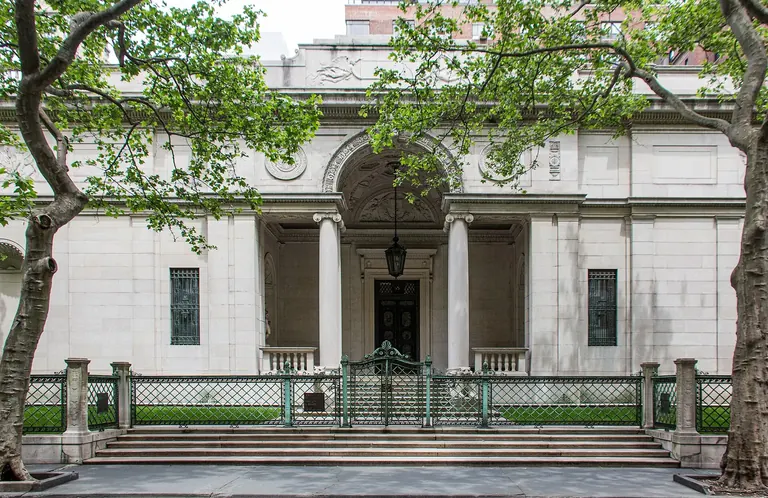
Image credits
6
- Pierre Huyghe: UUmweltCourtesy of Museum of Modern Art (MoMA)
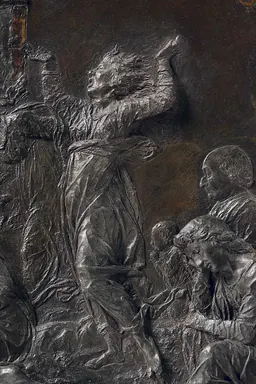
- Siena: The Art of Bronze, 1450-1500The Frick Collection
- Splendido, As Seen by Chris RhodesCourtesy of Aperture
- Museum of Modern Art (MoMA)hibino via Wikimedia Commons, CC BY 2.0
- The Frick CollectionJim.henderson / Wikimedia Commons, Public domain
- The Morgan Library & MuseumMike Peel, CC BY-SA 4.0