 i
Museum of Modern Art (MoMA)
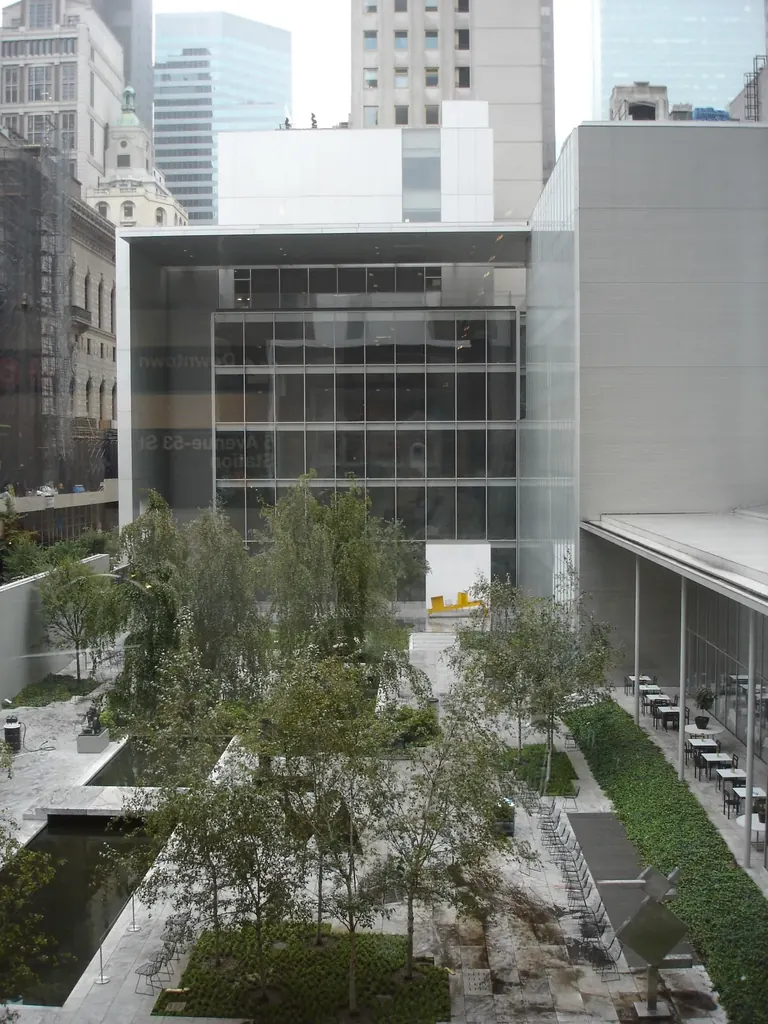
The Museum of Modern Art holds one of the world's most important collections of modern and contemporary art, spanning painting, sculpture, photography, film, design, and architecture from the 1880s to today. Founded in 1929 by Abby Aldrich Rockefeller and two fellow patrons, it pioneered the museum treatment of modern art and now displays icons like Van Gogh's The Starry Night, Picasso's Les Demoiselles d'Avignon, and Monet's Water Lilies. A major 2019 expansion enlarged the galleries, while the Abby Aldrich Rockefeller Sculpture Garden remains a tranquil Midtown oasis.
More in New York
What's On
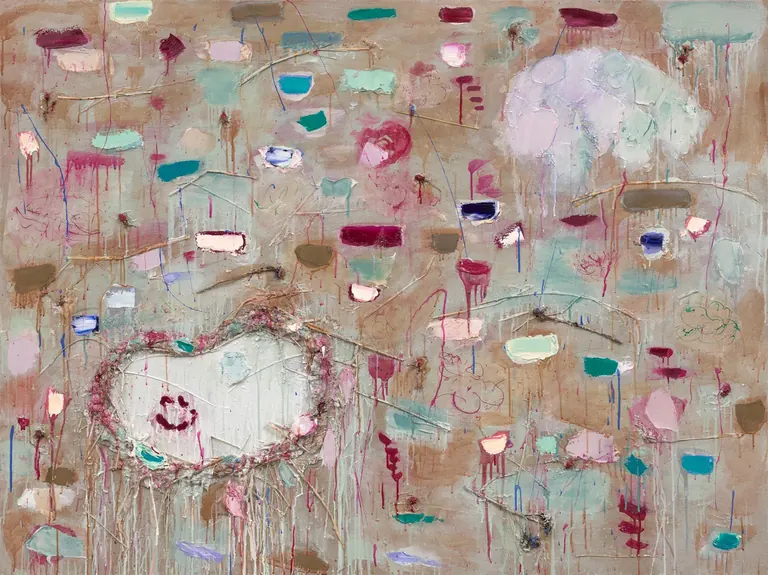
Hyundai Card First Look: Joan Snyder
Joan Snyder's abstract paintings layer oil and acrylic with fabric, plastic fruit, flowers and straw, drawing on more than 50 years of experimental, symbol-laden painting.
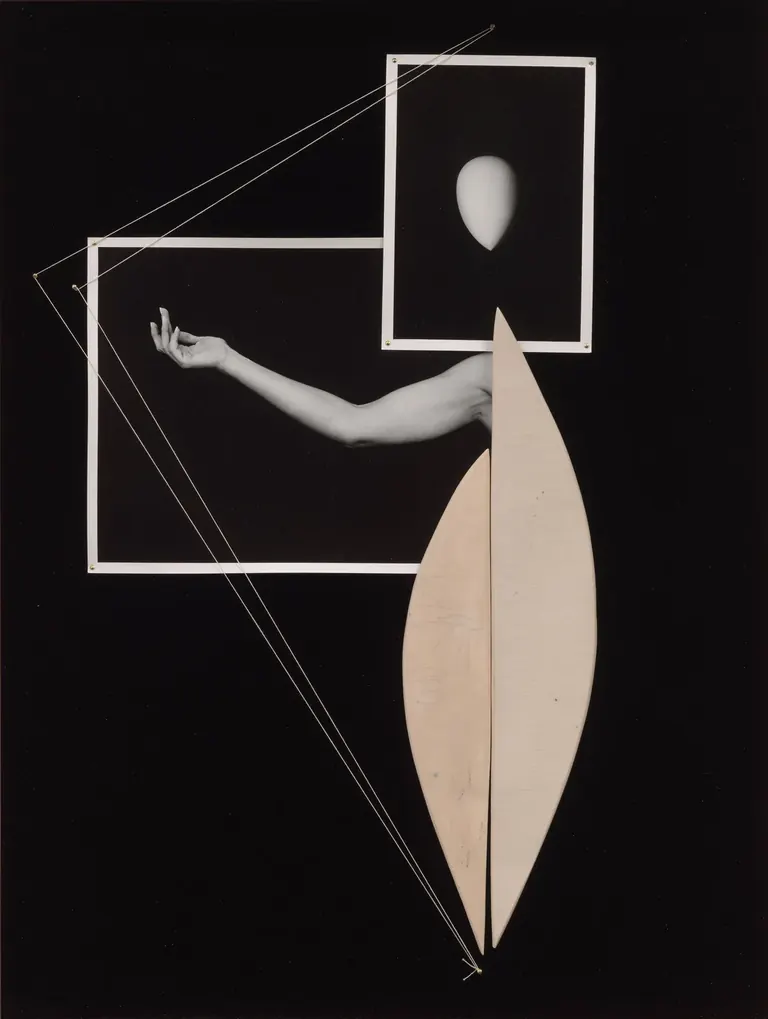
Hyundai Card First Look: Sheree Hovsepian
Sheree Hovsepian assembles photographs of body parts with ceramics, hosiery, string and wood into three-dimensional compositions exploring the human figure in fragments.
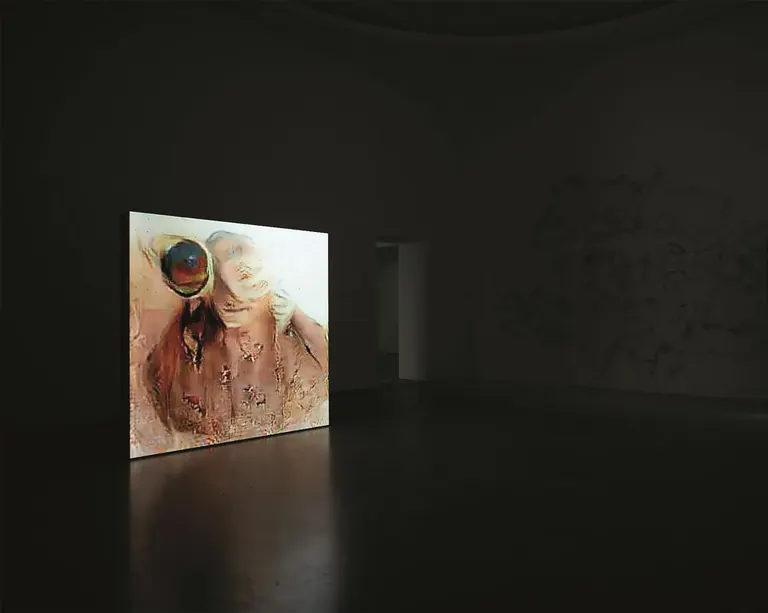
Pierre Huyghe: UUmwelt
Freestanding screens throughout the Abby Aldrich Rockefeller Sculpture Garden use machine learning and fMRI-derived data to generate hallucinatory images in real time, exploring nonhuman and machine cognition.

Architects of Liberation: Modernism in Western Africa
The first major survey of modern architecture across seven West African nations from the late 1950s to the early 1980s, exploring how building shaped newly independent states. Most objects have never been shown publicly.
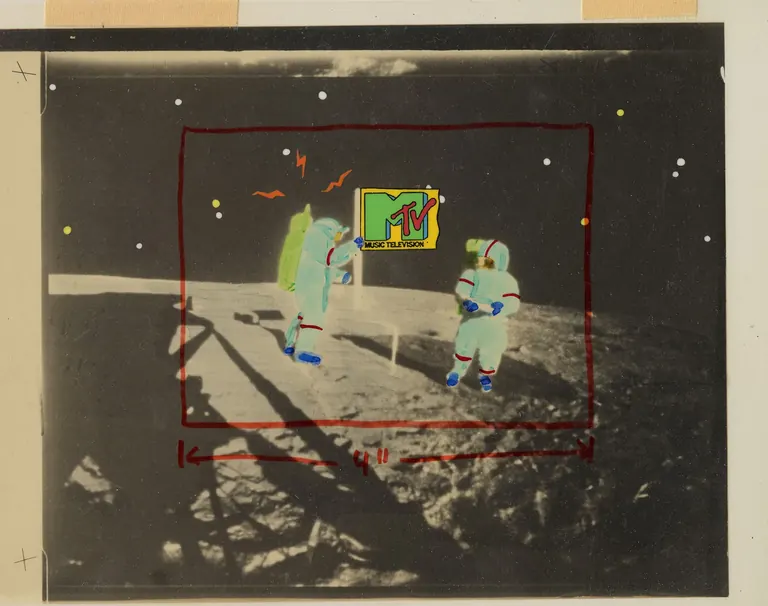
It's Alive! A Century of Animation from the Collection
Spanning more than 100 years, this exhibition traces animation's roots in New York through the work of more than 35 artists and filmmakers, from silent-era icons like Felix the Cat to independent animators of later decades.
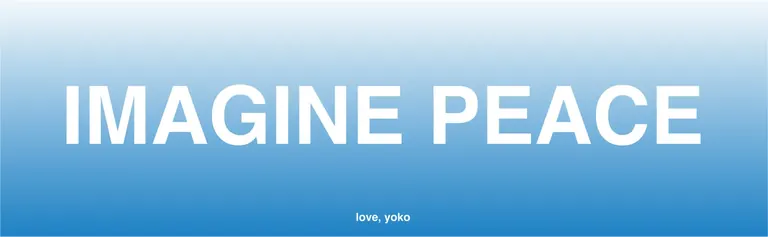
Yoko Ono: IMAGINE PEACE
An installation extending Yoko Ono's decades of peace activism and her history of collaborations with MoMA, spreading her "Imagine Peace" message via billboards, postcards and other formats.
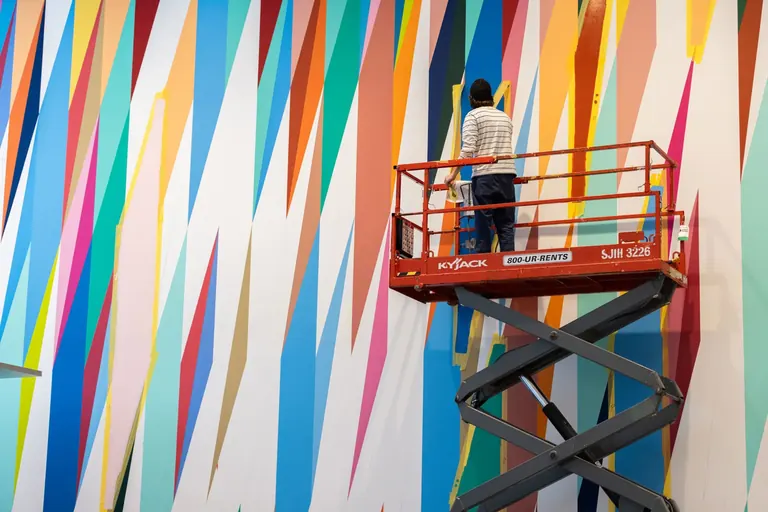
Odili Donald Odita: Songs from Life
A large-scale, site-specific commission in MoMA's lobby: a floor-to-ceiling kaleidoscope of bright colors and abstract patterns, painted over six weeks and inspired for the first time by music.
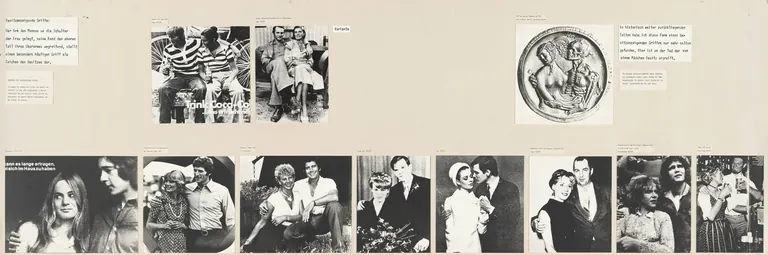
Taking Back Our Space: Photographic Perspectives
Marianne Wex's 1970s feminist photo survey of gendered body language is shown alongside contemporary artists Nona Faustine, Martine Gutierrez, K8 Hardy, Yuki Kihara, Joiri Minaya, Paulina Olowska, and Wendy Red Star, reappraising bodies in public space.
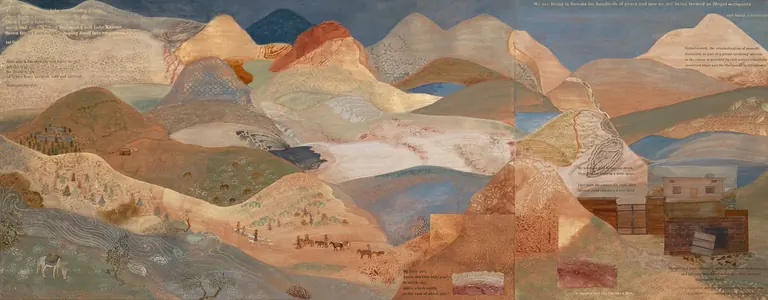
Nilima Sheikh: Fractured Skies
A survey of painter Nilima Sheikh's five-decade practice, tracing her engagement with Kashmir through narrative scroll paintings including a new, site-responsive series debuting at MoMA.

Full Disclosure: The Edge of Information Design
MoMA's first exhibition devoted entirely to information design, presenting 30 works of digital and analog design (including six new acquisitions) that explore how designers help visualize and shape our understanding of complex data.
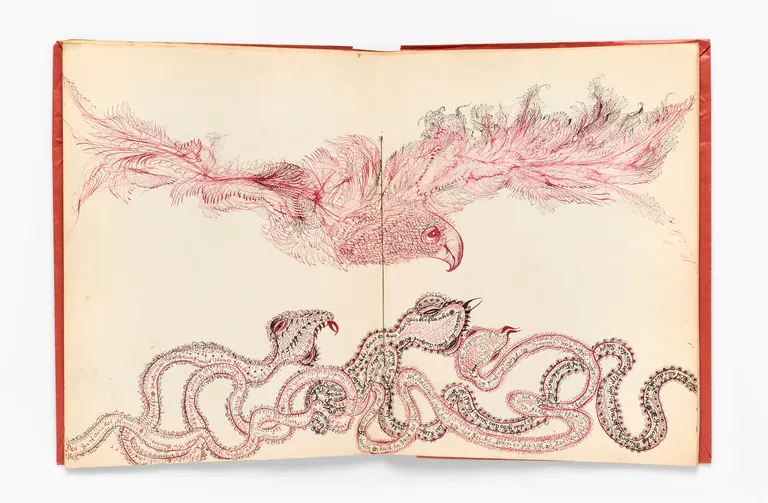
The Surrealist Book: Tomorrow Lives in Mirrors
A survey of Surrealism's book-as-art-object experiments by André Breton, Salvador Dalí, Claude Cahun, Max Ernst and others, built around a major gift of rare artists' books from the Helen and Sam Zell Collection.
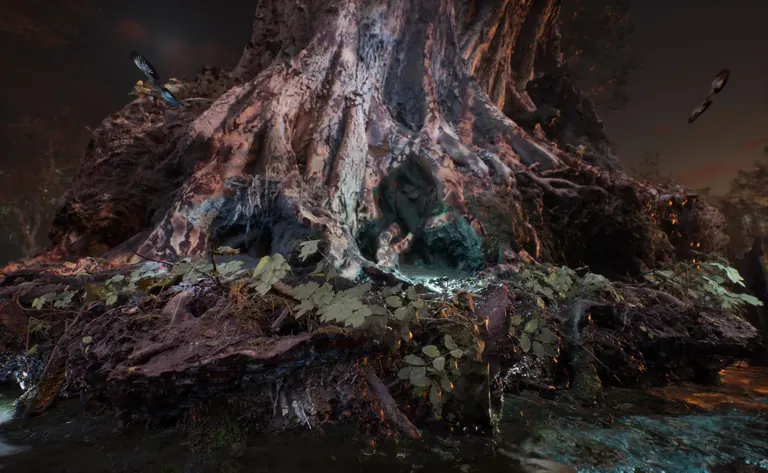
Jakob Kudsk Steensen: Wetland
Digital installation Berl-Berl reimagines Berlin's lost wetlands as a singing, digital swamp, blending ecological research, Slavic folklore and game-engine technology to explore human and more-than-human worlds.
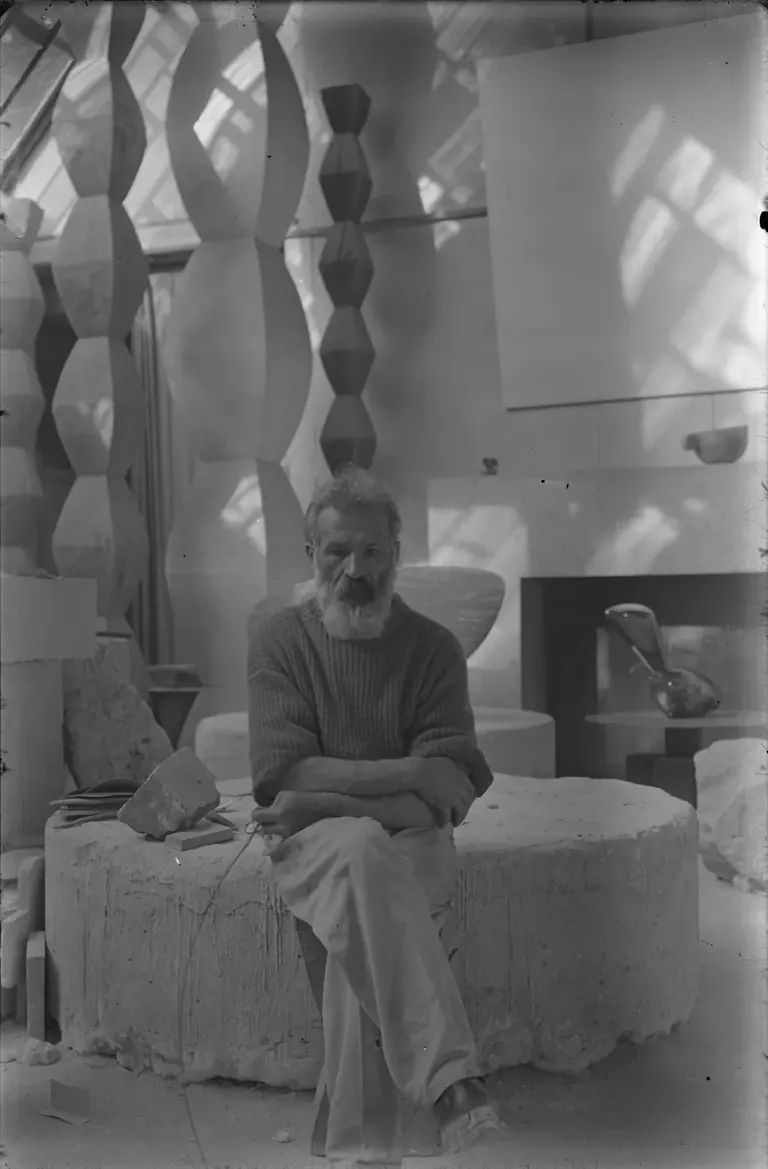
Brancusi: The Artist and His Studio
For the first time in decades, rarely lent sculptures leave Brancusi's Paris atelier (closed for renovation) to join MoMA's Brancusi collection, alongside his photographs, films, hand-carved furniture, tools and archival materials.
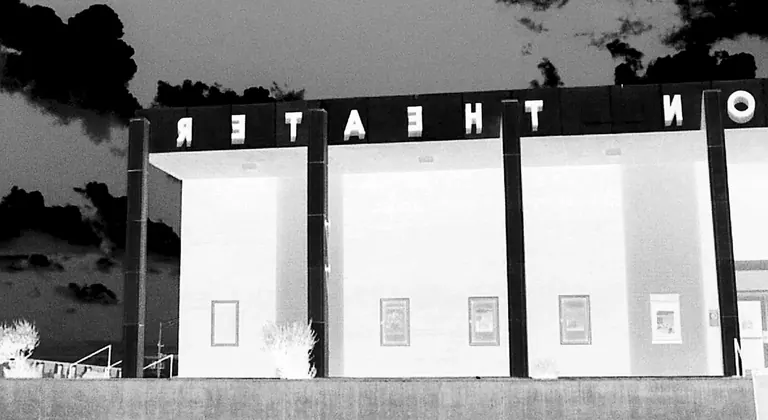
Na Mira: NO SMOKING
Na Mira's first solo museum exhibition in New York: a newly commissioned media installation in the Kravis Studio using radio frequencies, infrared heat and holography, drawing on Korean shamanism and structural filmmaking.
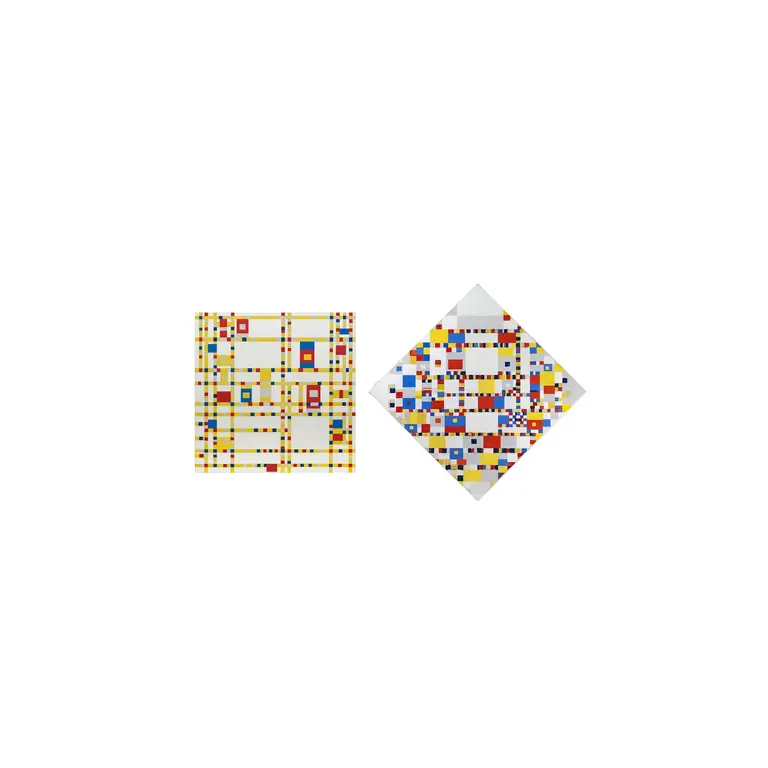
Mondrian Boogie Woogie
The first major survey of Piet Mondrian's final New York years (1940-44), reuniting Broadway Boogie Woogie and Victory Boogie Woogie for the first time in 30 years and tracing boogie woogie's influence on his late compositions.
Holly Herndon and Mat Dryhurst: Candlelight
New commission by Herndon and Dryhurst: choral performances with audience participation in the Kravis Studio train AI models, whose audiovisual output shows on the Hyundai Card Digital Wall.
Freedom and Futures: Emancipatory Art in Africa, 1956–1982
Artist-centred history of modern African art in the independence years, built around congresses and festivals in Zimbabwe, Senegal, Algeria, Nigeria and South Africa.
Eva Hesse: Wild Space, 1957–1970
New York's first major Eva Hesse museum show in over 20 years, centred on her drawings, with key paintings and major sculptures including Contingent (1969).
Permanent Collections
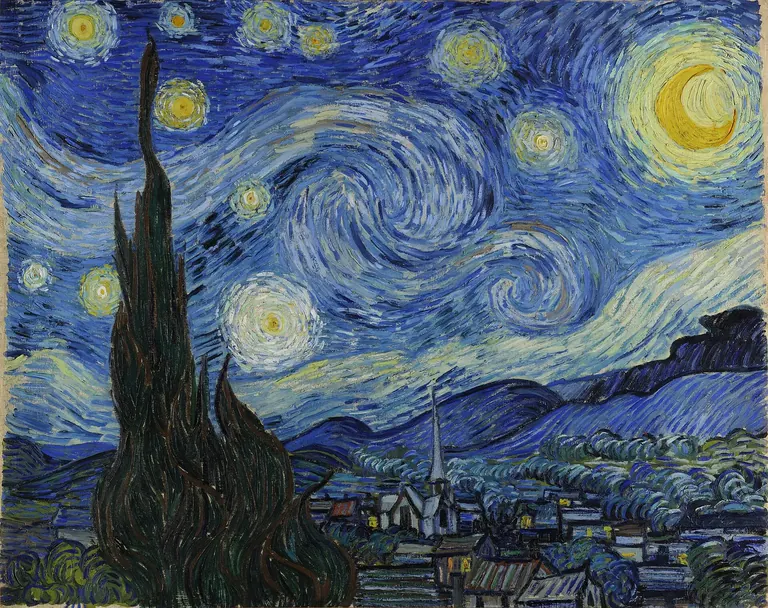
Collection 1880–1950
MoMA's fifth-floor galleries trace modern art from Post-Impressionism through mid-century, home to Van Gogh's The Starry Night, Picasso's Les Demoiselles d'Avignon, and Monet's Water Lilies.
Collection 1950–1980
Fourth-floor galleries present postwar art through 1980, from Abstract Expressionism and Pop to Minimalism, with works by Pollock, Rothko, Warhol, and their contemporaries.
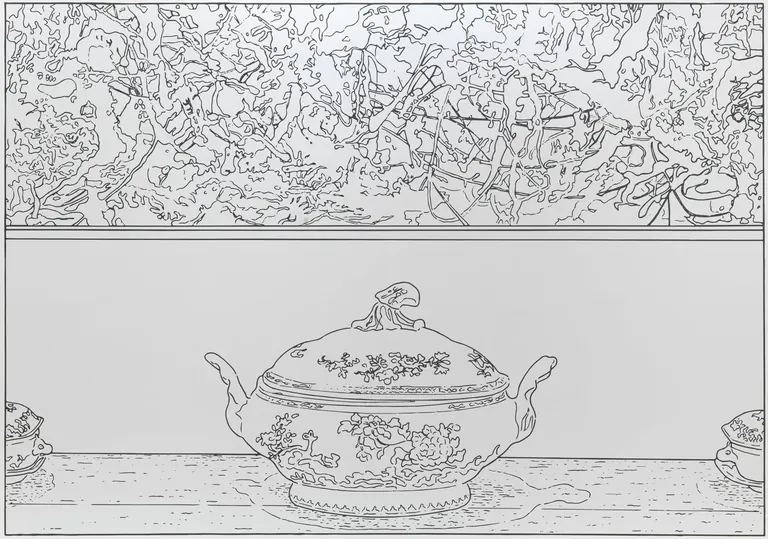
Collection 1980–Today
MoMA's second-floor galleries, newly opened, arrange the collection from 1980 to today in loosely chronological rooms devoted to individual artists, mediums and ideas, with frequent reinstallation.
Plan Your Visit
Getting there
11 West 53rd Street, New York, NY 10019
Nearest station: Fifth Avenue/53rd Street (E, M), 47–50th Streets–Rockefeller Center (B, D, F, M) and 57th Street (F)
Show on mapHours
| MonToday | 10:30–17:30 |
| Tue | 10:30–17:30 |
| Wed | 10:30–17:30 |
| Thu | 10:30–17:30 |
| Fri | 10:30–20:30 |
| Sat | 10:30–17:30 |
| Sun | 10:30–17:30 |
Admission
From $30
Seniors $22, students $17; children 16 and under free; free for New York State residents on Friday evenings
Last verified
Nearby
Visitor Information
- How much does Museum of Modern Art (MoMA) cost?
- Standard adult admission to Museum of Modern Art (MoMA) is $30. Seniors $22, students $17; children 16 and under free; free for New York State residents on Friday evenings. Prices for special exhibitions and timed-entry slots may differ.
- What are the opening hours of Museum of Modern Art (MoMA)?
- Museum of Modern Art (MoMA) is open Open daily 10:30am–5:30pm; Saturdays until 7:00pm. Holiday hours can vary, so check the museum's website before you go.
- Where is Museum of Modern Art (MoMA)?
- Museum of Modern Art (MoMA) is located at 11 West 53rd Street, New York, NY 10019, in the Midtown Manhattan area of New York. The nearest stations are Fifth Avenue/53rd Street (E, M), 47–50th Streets–Rockefeller Center (B, D, F, M) and 57th Street (F).
- What can I see at Museum of Modern Art (MoMA)?
- Midtown Manhattan's temple of modern and contemporary art, from Van Gogh's Starry Night to Warhol, across six gallery floors. Current highlights include Taking Back Our Space: Photographic Perspectives, Collection 1880–1950 and Collection 1950–1980.
- Do I need to book Museum of Modern Art (MoMA) in advance?
- Booking ahead is recommended, especially for weekends, school holidays, and special exhibitions. Tickets are normally on the museum's website, and a pre-booked timed slot helps you avoid queues at the entrance.
- When is the best time to visit Museum of Modern Art (MoMA)?
- Weekday mornings shortly after opening are typically the quietest, especially mid-week. Late afternoons can also be calmer. Weekends, school holidays, and the lunch rush are the busiest periods.
Image credits
20
- Museum of Modern Art (MoMA)hibino via Wikimedia Commons, CC BY 2.0
- Taking Back Our Space: Photographic PerspectivesCourtesy of Museum of Modern Art (MoMA)
- Collection 1880–1950Vincent van Gogh, via Wikimedia Commons, Public domain
- It's Alive! A Century of Animation from the CollectionCourtesy of Museum of Modern Art (MoMA)
- Collection 1980–TodayCourtesy of Museum of Modern Art (MoMA)
- Hyundai Card First Look: Sheree HovsepianCourtesy of Museum of Modern Art (MoMA)
- The Surrealist Book: Tomorrow Lives in MirrorsCourtesy of Museum of Modern Art (MoMA)
- Yoko Ono: IMAGINE PEACECourtesy of Museum of Modern Art (MoMA)
- Jakob Kudsk Steensen: WetlandCourtesy of Museum of Modern Art (MoMA)
- Pierre Huyghe: UUmweltCourtesy of Museum of Modern Art (MoMA)
- Na Mira: NO SMOKINGCourtesy of Museum of Modern Art (MoMA)
- Architects of Liberation: Modernism in Western AfricaCourtesy of Museum of Modern Art (MoMA)
- Brancusi: The Artist and His StudioCourtesy of Museum of Modern Art (MoMA)
- Nilima Sheikh: Fractured SkiesCourtesy of Museum of Modern Art (MoMA)
- Odili Donald Odita: Songs from LifeCourtesy of Museum of Modern Art (MoMA)
- Hyundai Card First Look: Joan SnyderCourtesy of Museum of Modern Art (MoMA)
- Full Disclosure: The Edge of Information DesignCourtesy of Museum of Modern Art (MoMA)
- Mondrian Boogie WoogieCourtesy of Museum of Modern Art (MoMA)
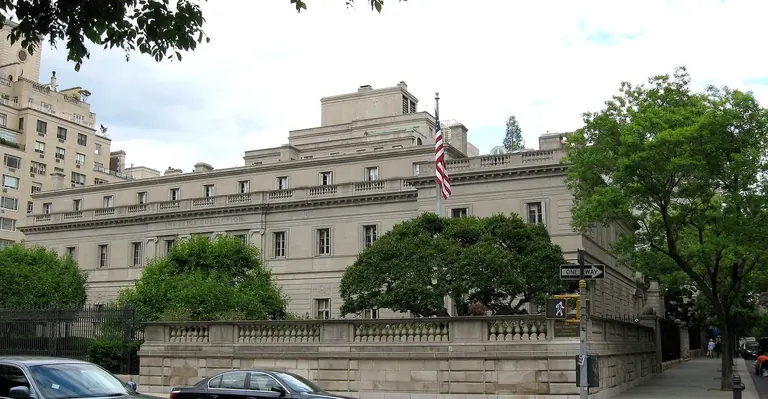
- The Frick CollectionJim.henderson / Wikimedia Commons, Public domain
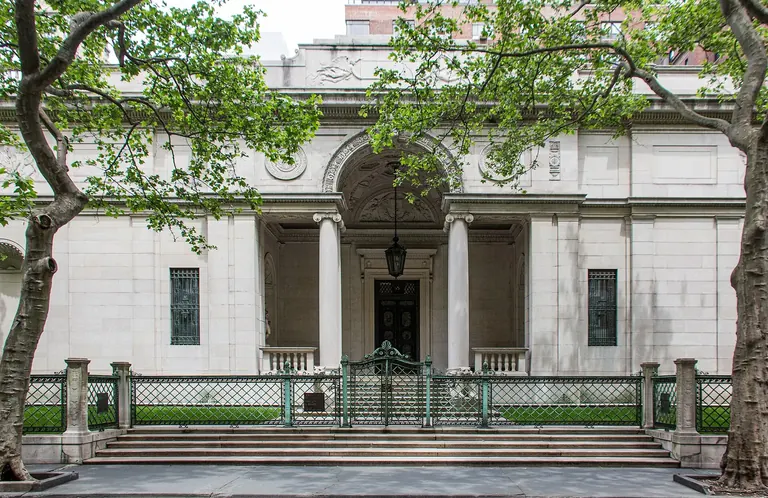
- The Morgan Library & MuseumMike Peel, CC BY-SA 4.0