 i
Museo Nacional de Ciencias NaturalesRíos Rosas, Chamberí
Arte Plumario. Naturaleza, Identidad y Poder
An interdisciplinary look at feathers as cultural and symbolic material across world cultures, from historic featherwork to contemporary art by Henar Iglesias.
More in Madrid
Around 1850, someone in Qing China covered a fan and its case in kingfisher feathers. Both are here, along with a feather mantle from the pre-Inca Wari culture, shown for the first time, and a 17th-century feather tapestry from the Viceroyalty of Peru that has never left its home collection.
There are more than 70 pieces over two floors. You start downstairs with headdresses, cloaks and insignia from the Americas and Asia, then the hybrid works featherworkers made after the Europeans arrived, native technique carrying Christian imagery. Upstairs the museum's scientists take over: how a feather is built, why some shimmer, how the 18th- and 19th-century European craze for plumes sent bird numbers crashing, and how women led the first bird-protection campaigns.
The route ends with Henar Iglesias, a milliner who works only in undyed feathers. Time Out Madrid called it the most curious show in the city. It's on the general ticket: €7, €3.50 reduced, free Tuesdays 15:00 to 17:00 and Sundays 18:30 to 20:00.
Look for
The Qing kingfisher fan
A Chinese screen fan and its case from around 1850, their surfaces worked in kingfisher feathers, lent by the national ceramics and decorative arts museum in Valencia.
The Wari feather mantle
A whole mantle covered in feathers, made by the pre-Inca Wari culture and on public display for the first time.
The Peruvian feather tapestry
A 17th-century tapestry made of feathers in the Viceroyalty of Peru, out of its home collection for the first time.
Parrot and toucan ornaments
Amazonian body ornaments made from parrot and toucan feathers, next to bird specimens from the museum's own collections.
Henar Iglesias's undyed compositions
Look for patterns built entirely from natural, undyed feathers, where every colour comes from the bird itself.
Good for
- Cheap Culture
- Locals Who've Seen It All
- Nerding Out
Also at Museo Nacional de Ciencias Naturales
On now nearby
Nearby
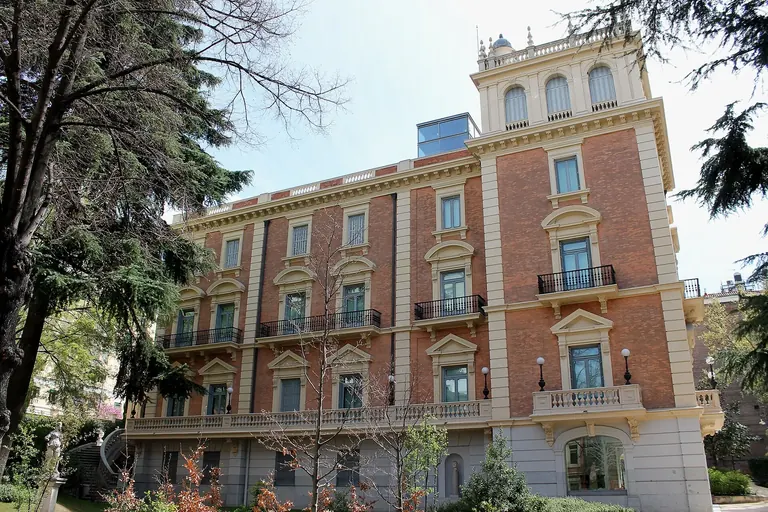
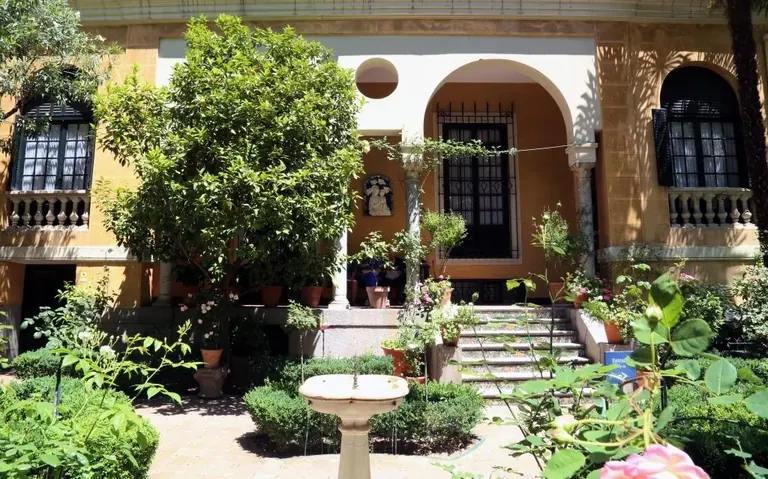
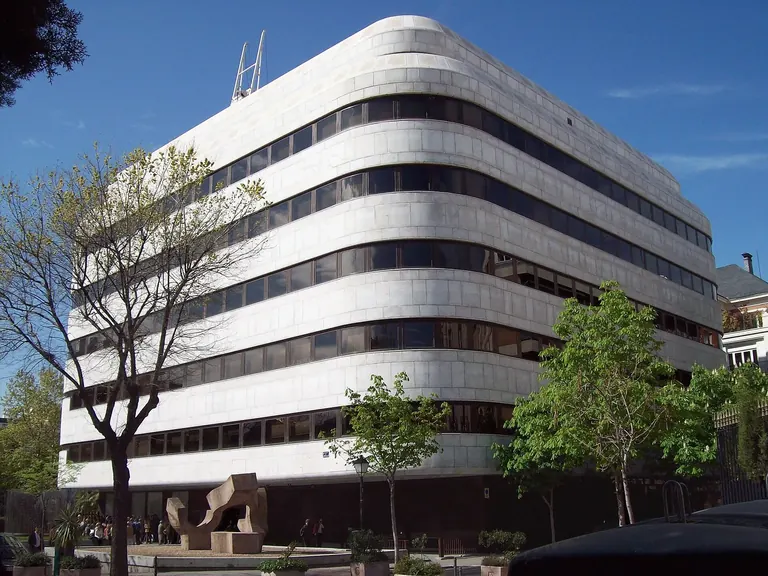
Image credits
8
- Arte Plumario. Naturaleza, Identidad y PoderMuseo Nacional de Ciencias Naturales (MNCN-CSIC)
- Apertura Madrid Gallery Weekend 2026: Entre la retícula y la vidaCourtesy of Museo Lázaro Galdiano
- Tras la casa del artista. Arquitecturas del Museo Sorolla (1905-2026)Courtesy of Museo Sorolla
- The Aesthetic Transition: Spain, 1960-2020Courtesy of Fundación Juan March
- Museo Nacional de Ciencias NaturalesLuis García (Zaqarbal), via Wikimedia Commons, CC BY-SA 3.0
- Museo Lázaro GaldianoLuis García (Zaqarbal), CC BY-SA 3.0 ES
- Museo SorollaJavier Rodríguez Barrera / Museo Sorolla, via Wikimedia Spain, CC BY-SA 4.0
- Fundación Juan MarchLuis García (Zaqarbal), via Wikimedia Commons, CC BY-SA 3.0