 i
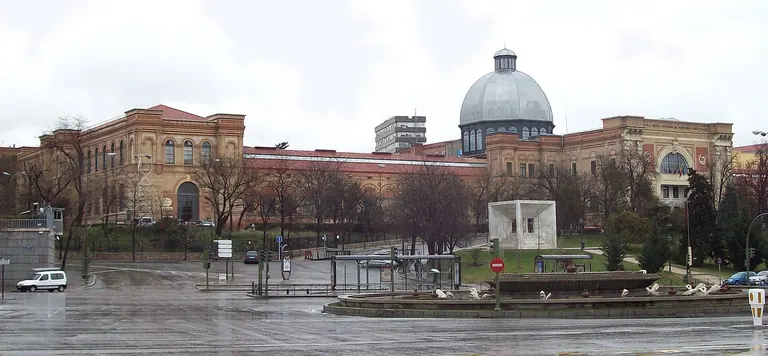
Museo Nacional de Ciencias Naturales
Spain's national museum of natural history, run by the CSIC research council in the 1887 Palacio de las Artes y la Industria on Calle de José Gutiérrez Abascal. Its collections trace back to the Real Gabinete de Historia Natural founded by Charles III in 1771, and today hold over eight million specimens. Permanent halls cover biodiversity, minerals and fossils, human evolution and the Mediterranean, alongside rotating science and nature exhibitions.
More in Madrid
What's On
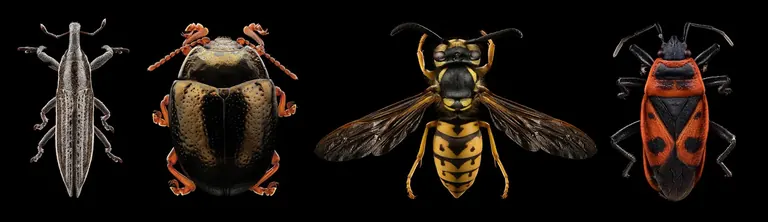
Insects Up Close. Urban Neighbours
Macrophotography of Iberian insects, enlarged hundreds of times through custom-lit photocomposition by biologist and photographer Máher Fahim Fernández.

Arte Plumario. Naturaleza, Identidad y Poder
An interdisciplinary look at feathers as cultural and symbolic material across world cultures, from historic featherwork to contemporary art by Henar Iglesias.

Evolución
Wildlife photography from the Spanish Society for Evolutionary Biology (SESBE) on habitat, coevolution, sexual selection, social evolution and the Anthropocene.
Permanent Collections
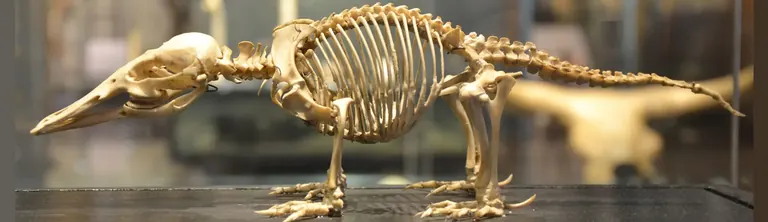
Biodiversity
A 1,000sqm hall on the concept and distribution of biodiversity, evolution and conservation, with an African elephant and a 21-metre whale skeleton among 1,000+ specimens.
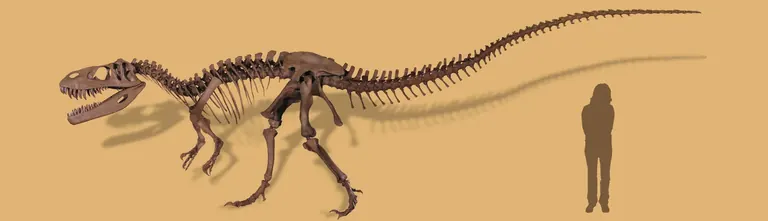
Minerals, Fossils, and Human Evolution
Earth history across two floors: dinosaur skeletons, large fossil mammals, human evolution displays, and a mineral collection arranged by international classification.
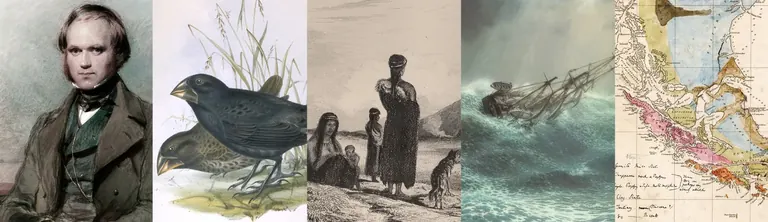
Darwin, a Man That Changed the World
Inside the Biodiversity hall: Darwin books, diaries and the earthworm, barnacle, dove and orchid specimens behind his theory of evolution by natural selection.
Plan Your Visit
Getting there
Calle de José Gutiérrez Abascal, 2, 28006 Madrid, Spain
Nearest station: Gregorio Marañón (L7), Nuevos Ministerios (L6/8/10) and Ríos Rosas (L2)
Show on mapHours
Bank holiday - open with weekend hours 9 November, 10:00–20:00
| Mon | Closed |
| TueToday | 10:00–17:00 |
| Wed | 10:00–17:00 |
| Thu | 10:00–17:00 |
| Fri | 10:00–17:00 |
| Sat | 10:00–20:00 |
| Sun | 10:00–20:00 |
Admission
From €7
€3.50 reduced (students, unemployed, ages 4-16, groups 12+). Free entry Tue 15:00-17:00 and Sun 18:30-20:00; always free for under-4s, over-65s, disability-card holders, and large/single-parent families.
Accessibility
Step-free access, adapted restrooms, and tactile/braille materials in some exhibitions (e.g. Illustraciencia).
Last verified
Nearby
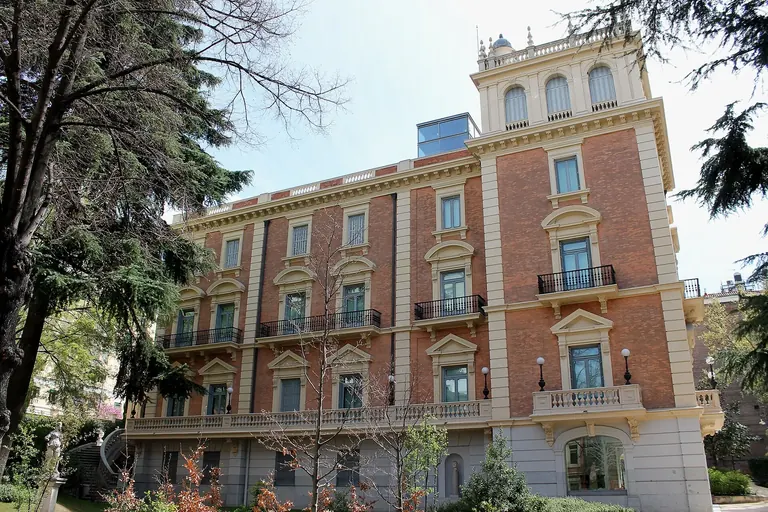
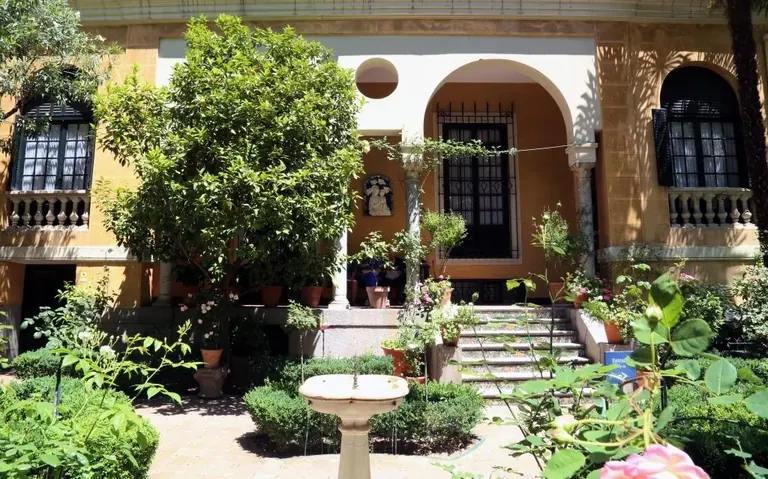
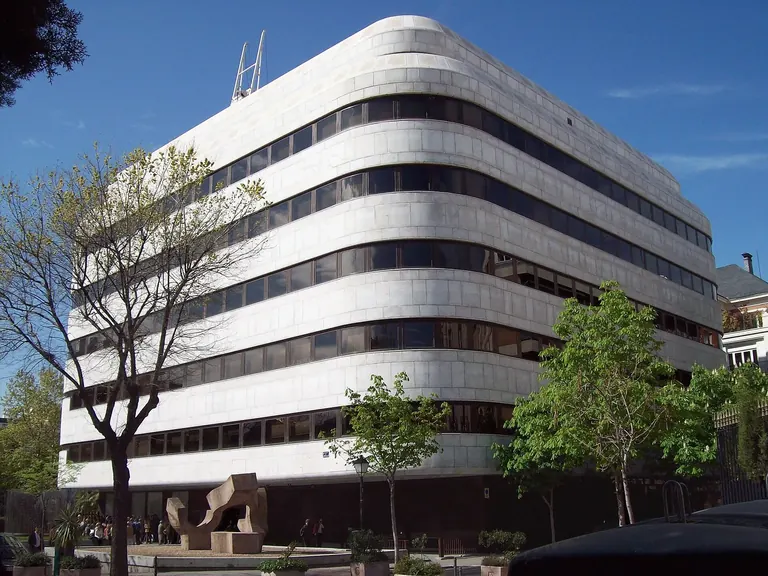
Visitor Information
- How much does Museo Nacional de Ciencias Naturales cost?
- Standard adult admission to Museo Nacional de Ciencias Naturales is €7. €3.50 reduced (students, unemployed, ages 4-16, groups 12+). Free entry Tue 15:00-17:00 and Sun 18:30-20:00; always free for under-4s, over-65s, disability-card holders, and large/single-parent families.. Prices for special exhibitions and timed-entry slots may differ.
- What are the opening hours of Museo Nacional de Ciencias Naturales?
- Museo Nacional de Ciencias Naturales is open Tue-Fri 10:00-17:00, Sat-Sun & bank holidays 10:00-20:00, closed Mondays except bank holidays. Until 14 Sep 2026 summer hours apply (10:00-15:00 Fri-Sun). Shortened to 10:00-15:00 on 24 & 31 Dec; closed 25 Dec (also closed 1 & 6 Jan, 1 May, not shown as they've passed for 2026).. Holiday hours can vary, so check the museum's website before you go.
- Where is Museo Nacional de Ciencias Naturales?
- Museo Nacional de Ciencias Naturales is located at Calle de José Gutiérrez Abascal, 2, 28006 Madrid, Spain, in the Ríos Rosas, Chamberí area of Madrid. The nearest stations are Gregorio Marañón (L7), Nuevos Ministerios (L6/8/10) and Ríos Rosas (L2).
- What can I see at Museo Nacional de Ciencias Naturales?
- Spain's national natural history museum: dinosaur skeletons, a 21m whale, meteorites and Darwin's own specimens under CSIC. Current highlights include Evolución, Biodiversity and Insects Up Close. Urban Neighbours.
- Do I need to book Museo Nacional de Ciencias Naturales in advance?
- Booking ahead is recommended, especially for weekends, school holidays, and special exhibitions. Tickets are normally on the museum's website, and a pre-booked timed slot helps you avoid queues at the entrance.
- When is the best time to visit Museo Nacional de Ciencias Naturales?
- Weekday mornings shortly after opening are typically the quietest, especially mid-week. Late afternoons can also be calmer. Weekends, school holidays, and the lunch rush are the busiest periods.
- Is Museo Nacional de Ciencias Naturales accessible?
- Step-free access, adapted restrooms, and tactile/braille materials in some exhibitions (e.g. Illustraciencia).
Image credits
10
- Museo Nacional de Ciencias NaturalesLuis García (Zaqarbal), via Wikimedia Commons, CC BY-SA 3.0
- EvoluciónCourtesy of Museo Nacional de Ciencias Naturales
- BiodiversityMuseo Nacional de Ciencias Naturales (MNCN-CSIC)
- Insects Up Close. Urban NeighboursMuseo Nacional de Ciencias Naturales (MNCN-CSIC)
- Minerals, Fossils, and Human EvolutionMuseo Nacional de Ciencias Naturales (MNCN-CSIC)
- Arte Plumario. Naturaleza, Identidad y PoderMuseo Nacional de Ciencias Naturales (MNCN-CSIC)
- Darwin, a Man That Changed the WorldMuseo Nacional de Ciencias Naturales (MNCN-CSIC)
- Museo Lázaro GaldianoLuis García (Zaqarbal), CC BY-SA 3.0 ES
- Museo SorollaJavier Rodríguez Barrera / Museo Sorolla, via Wikimedia Spain, CC BY-SA 4.0
- Fundación Juan MarchLuis García (Zaqarbal), via Wikimedia Commons, CC BY-SA 3.0