 i
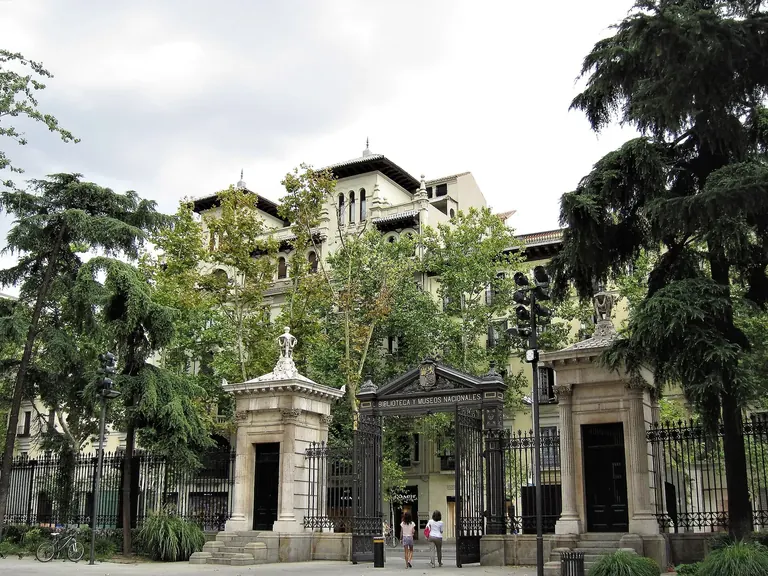
Museo Arqueológico NacionalRecoletos
Misterios de la materia. The Science of Heritage in the MAN Collections
This exhibition has ended.
Scientific analysis techniques, from metallurgy to imaging, reveal how MAN conservators study and preserve archaeological materials, developed with CSIC's national metallurgical research centre.
Museum websiteMore in Madrid
Under X-ray, a Panathenaic amphora with an armed Athena turns out to be mostly other vases. Only the neck, handles and part of the body are original; Raffaele Gargiulo built the rest from fragments of other vessels before 1825. Spain had creative restorers long before the Borja Ecce Homo.
All 260-plus objects come from the MAN's own collection, arranged in six sections that each take one research question, from carbon-14 dating to DNA and conservation. You start with a basket and sandals from Granada's Cueva de los Murciélagos, dated by radiocarbon, and later reach Visigothic sapphires traced to Ceylon. Two closing rooms take apart a single case each: the 17th-century Santo Toribio sculpture and the coffin of the priest Pairusejer.
It's as much about how archaeologists know as about what they found. Entry is free, downstairs on floor -1, and the run is extended to 25 October. Free guided visits (25 places) run 20 to 23 October at 11:00, bookable a week ahead.
Look for
The patched-up Athena amphora
Look for the armed Athena on this Panathenaic vase: X-rays showed only the neck, handles and some of the body are original, the rest pieced together from other vessels before 1825.
Basket and sandals from the Cueva de los Murciélagos
A basket, sandals and poppy capsules from a cave in Albuñol, Granada, with the sandals dated to about 4200 BC.
The Guarrazar gems
Emerald, sapphire and amethyst from the Visigothic votive treasure, the sapphires traced to Ceylon, now Sri Lanka.
The coffin of Pairusejer
An Egyptian priest's coffin from Deir el-Bahari in Luxor, painted with Egyptian blue and green and reused in antiquity, its first owner's name replaced by a later one.
The Almería sword
A Late Bronze Age sword found in Almería, made with metal that lead-isotope analysis traced to Great Britain.
Good for
- Cheap Culture
- Nerding Out
- Rainy Days
Skip if
You want one period or culture: the show is organised by scientific technique, across every era.
Also at Museo Arqueológico Nacional
On now nearby

Nearby
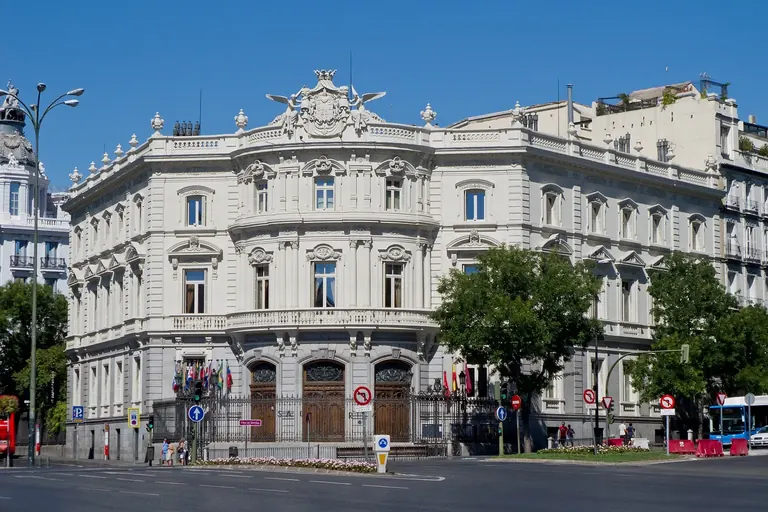
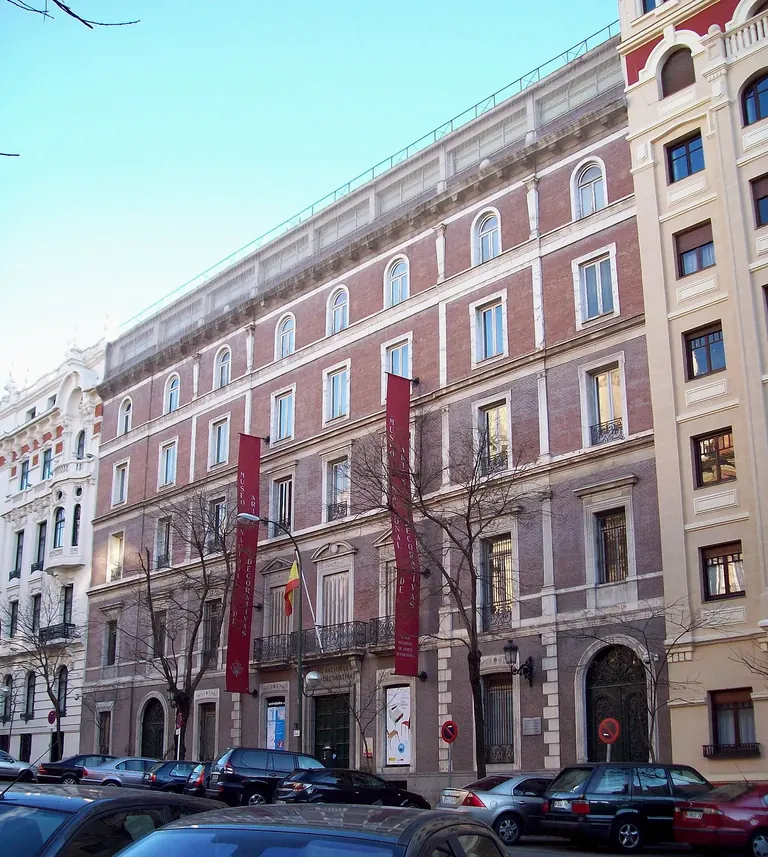
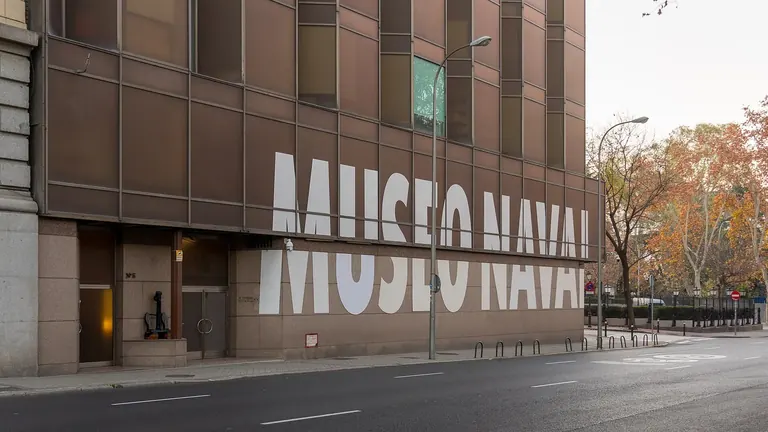
Image credits
8
- Museo Arqueológico NacionalCoralma*, via Wikimedia Commons, CC0
- Women Artists: Pathways through Pre-Raphaelitism (1850-1914)© Musée d’Orsay, dist. RMN-Grand Palais / Sophie Crépy
- The Other Face of the Avant-GardeCourtesy of Fundación MAPFRE – Sala Recoletos
- Minor WhiteCourtesy of Fundación MAPFRE – Sala Recoletos
- Fundación MAPFRE – Sala RecoletosBeautyriver1010, Wikimedia Commons, CC BY-SA 4.0
- Casa de AméricaCarlos Delgado (Kadellar), CC BY-SA 3.0
- Museo Nacional de Artes DecorativasLuis García (Zaqarbal), Wikimedia Commons, CC BY-SA 3.0
- Museo NavalFernando, via Wikimedia Commons, CC BY-SA 4.0