 i
Museo Arqueológico NacionalRecoletos
Fueron tejidos. Teresa Lanceta
Contemporary weaver Teresa Lanceta's textile works enter dialogue with the museum's Iberian collection in the Patio Ibérico galleries.
More in Madrid
The Iberian ladies in the museum's first-floor rooms wear cloaks and tunics carved in stone, with rhombs, triangles and folds, but none of the fabric survives. Teresa Lanceta (born 1951, National Prize for Plastic Arts 2023) built the show on that gap. She argues the geometric motifs on the Lady of Baza and the Lady of Cerro de los Santos are exact copies of real textiles the sculptors saw.
She says she knows "hardly anything about archaeology", so the show works from cloth rather than chronology. It includes her own weavings, dyes inspired by Iberian-period pigments, and pieces set in dialogue with the sculptures in the rooms around the Iberian courtyard. She also treats the loom as a binary code, thread alternating "one yes, one no", which is how you swipe through flats on Idealista at midnight.
Entry is included in general admission (€3), and free on Saturdays from 14:00 and Sunday mornings. The show runs to 15 November, and the museum is closed on Mondays.
Editor's pick
Teresa Lanceta's woven textiles placed in dialogue with the museum's Iberian collection in the Patio Ibérico galleries.
Look for
The Lady of Baza and the Lady of Cerro de los Santos
The stone figures whose carved cloaks and tunics are read here as records of real, vanished textiles.
Lanceta's own weavings
Cloth made by the artist and shown beside the Iberian sculptures it responds to.
Dyes from Iberian-period pigments
Colours inspired by the pigments of the Iberian era, part of a route built around materials, processes and forms.
Good for
- Cheap Culture
- Nerding Out
Also at Museo Arqueológico Nacional
On now nearby
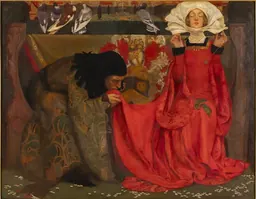

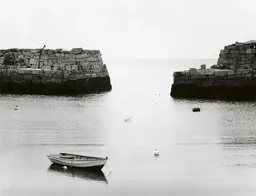
Nearby
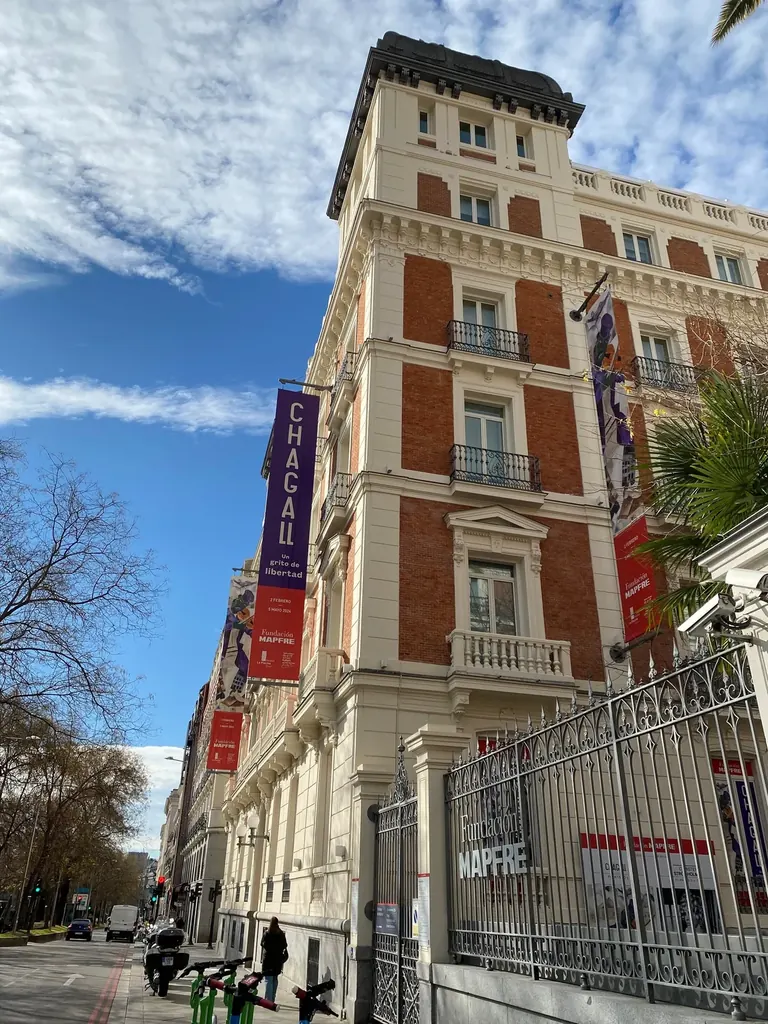
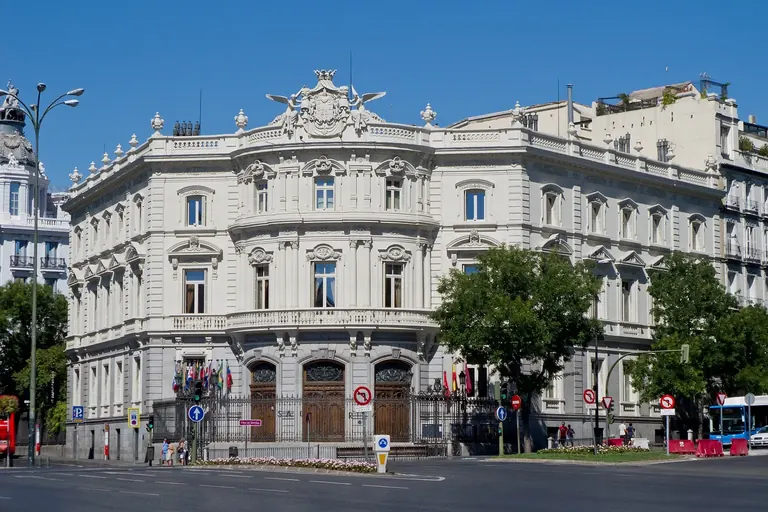
Image credits
9
- Fueron tejidos. Teresa LancetaCourtesy of Museo Arqueológico Nacional
- Women Artists: Pathways through Pre-Raphaelitism (1850-1914)© Musée d’Orsay, dist. RMN-Grand Palais / Sophie Crépy
- The Other Face of the Avant-GardeCourtesy of Fundación MAPFRE – Sala Recoletos
- Minor WhiteCourtesy of Fundación MAPFRE – Sala Recoletos
- Museo Arqueológico NacionalCoralma*, via Wikimedia Commons, CC0
- Fundación MAPFRE – Sala RecoletosBeautyriver1010, Wikimedia Commons, CC BY-SA 4.0
- Casa de AméricaCarlos Delgado (Kadellar), CC BY-SA 3.0
- Museo Nacional de Artes DecorativasLuis García (Zaqarbal), Wikimedia Commons, CC BY-SA 3.0
- Museo NavalFernando, via Wikimedia Commons, CC BY-SA 4.0