 i
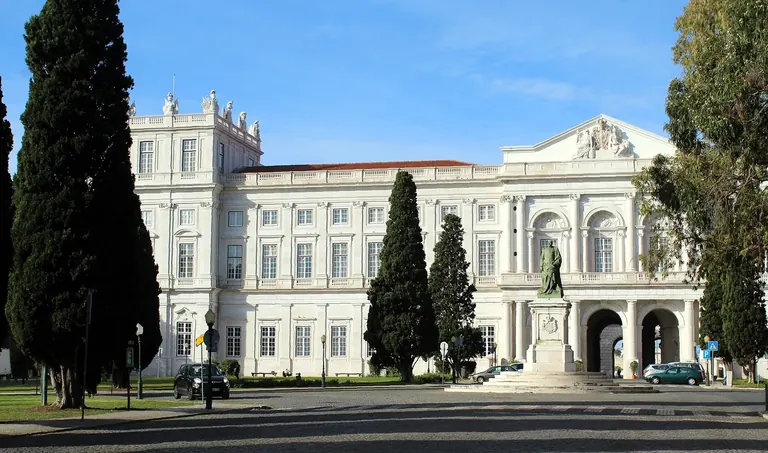
Palácio Nacional da Ajuda
Begun in 1802 and never completed to its original plan, the Ajuda Palace became the main residence of the Portuguese royal family under King Luís I and Queen Maria Pia from 1862. Today a palace-museum, it preserves its 19th-century interiors with collections of furniture, silver, ceramics, textiles, paintings and photographs from the royal household. Highlights include the Throne Room, the Banqueting Hall still used for state dinners, and the Royal Table display on daily dining at court. The Museu do Tesouro Real (Royal Treasure Museum) occupies the palace's west wing.
More in Lisbon
What's On
Permanent Collections
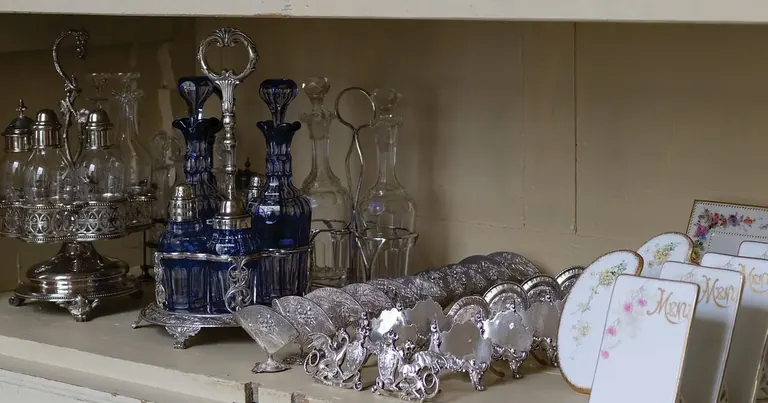
The Daily Life at the Royal Table 1862-1910
The royal dining room, scullery and service areas, showing tableware, kitchen utensils, picnic sets and yacht services used by the household of King Luís and Queen Maria Pia.
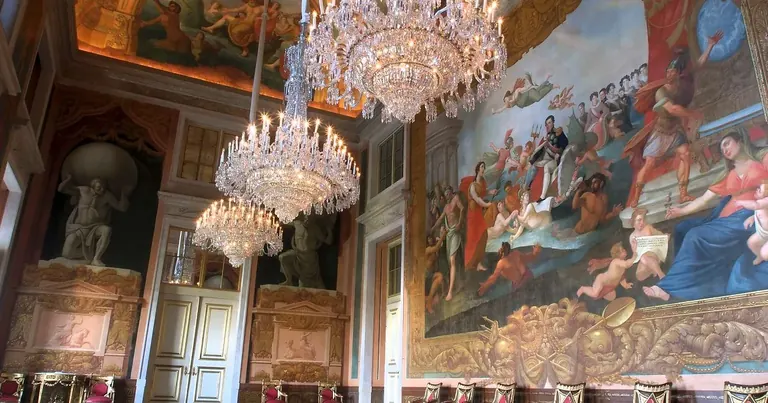
King João VI Hall
King Luís's former ballroom, painted in 1825 with an allegory of João VI's return from Rio de Janeiro to Lisbon and a ceiling Council of the Gods.
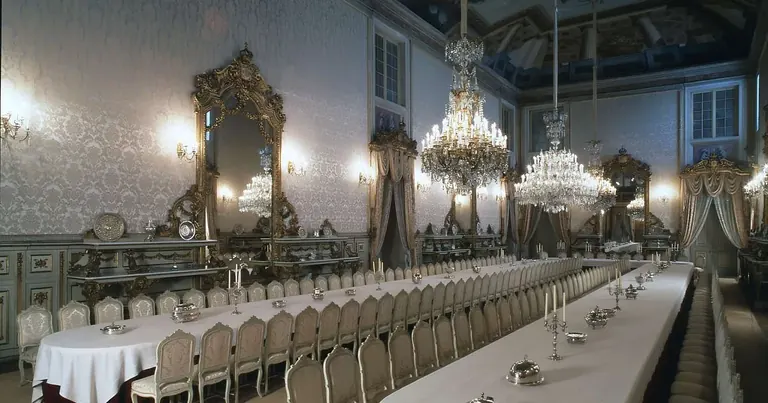
The Banqueting Hall
Setting of royal banquets and 19th-century ceremonies, still used for presidential dinners, laid with silver and Chinese porcelain beneath monumental mirrors.
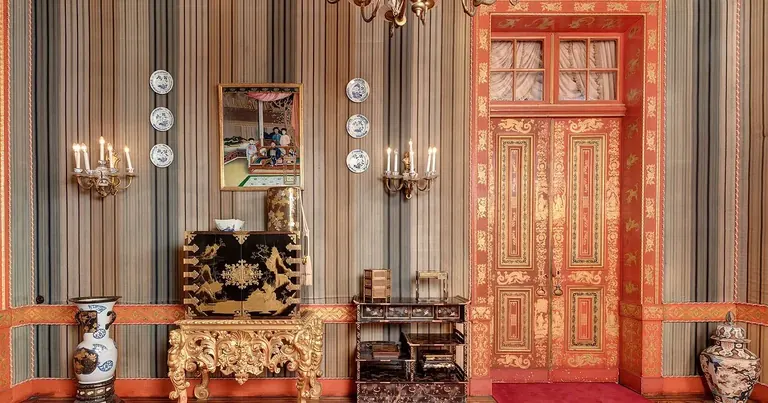
The Chinese Room
An orientalist room with 1865 lacquer-style painted doors, a silk tent ceiling, 17th-18th-century Japanese lacquer cabinets and a chandelier built from Imari porcelain.
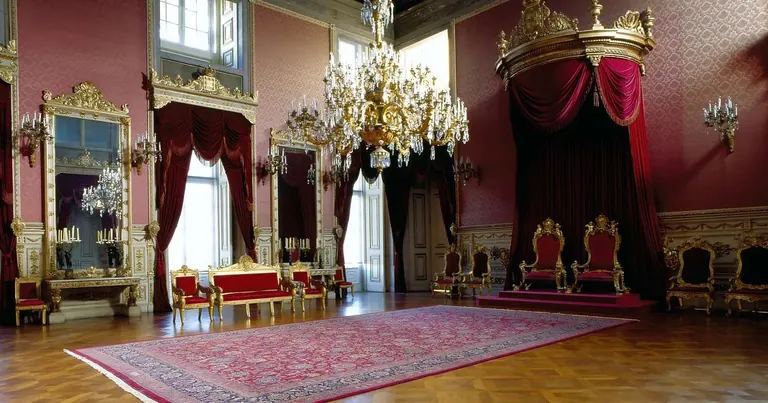
The Throne Room
For almost two centuries the nation's highest ceremonial room, with 18th-century Portuguese thrones, Empire chandeliers and a ceiling allegory of Heroic Virtue.
Plan Your Visit
Getting there
Largo da Ajuda, 1349-021 Lisboa, Portugal
Nearest station: Tram 18 (Largo da Ajuda) and Belém (CP train, Cascais line)
Show on mapHours
| Mon | 10:00–18:00 |
| Tue | 10:00–18:00 |
| Wed | Closed |
| Thu | 10:00–18:00 |
| Fri | 10:00–18:00 |
| SatToday | 10:00–18:00 |
| Sun | 10:00–18:00 |
Admission
From €15
50% off for visitors 65+, ages 13-24 and families; free for children up to 12 and for Portuguese residents on 52 days a year with Citizen Card.
Last verified
Nearby
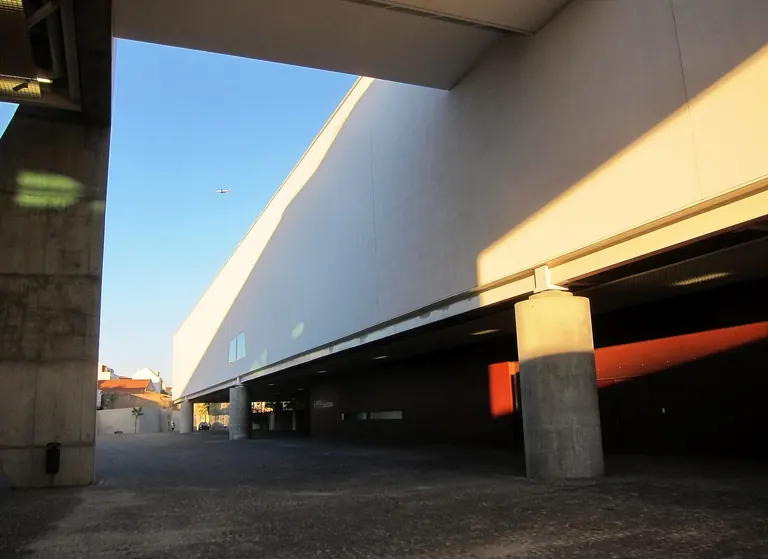
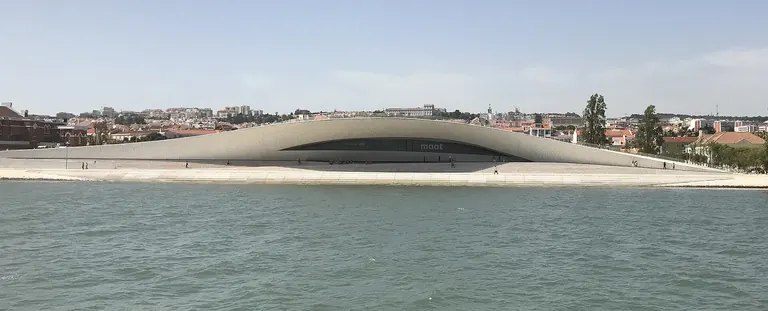
Visitor Information
- How much does Palácio Nacional da Ajuda cost?
- Standard adult admission to Palácio Nacional da Ajuda is €15. 50% off for visitors 65+, ages 13-24 and families; free for children up to 12 and for Portuguese residents on 52 days a year with Citizen Card.. Prices for special exhibitions and timed-entry slots may differ.
- What are the opening hours of Palácio Nacional da Ajuda?
- Palácio Nacional da Ajuda is open Thursday to Tuesday 10:00-18:00 (last admission 17:15). Closed Wednesdays, 1 January, Easter Sunday, 1 May, 13 June and 25 December.. Holiday hours can vary, so check the museum's website before you go.
- Where is Palácio Nacional da Ajuda?
- Palácio Nacional da Ajuda is located at Largo da Ajuda, 1349-021 Lisboa, Portugal, in the Ajuda area of Lisbon. The nearest stations are Tram 18 (Largo da Ajuda) and Belém (CP train, Cascais line).
- What can I see at Palácio Nacional da Ajuda?
- Neoclassical royal palace above Belém, its gilded state rooms still furnished as King Luís and Queen Maria Pia left them. Current highlights include The Daily Life at the Royal Table 1862-1910, King João VI Hall and The Banqueting Hall.
- Do I need to book Palácio Nacional da Ajuda in advance?
- Booking ahead is recommended, especially for weekends, school holidays, and special exhibitions. Tickets are normally on the museum's website, and a pre-booked timed slot helps you avoid queues at the entrance.
- When is the best time to visit Palácio Nacional da Ajuda?
- Weekday mornings shortly after opening are typically the quietest, especially mid-week. Late afternoons can also be calmer. Weekends, school holidays, and the lunch rush are the busiest periods.
Image credits
10
- Palácio Nacional da AjudaDguendel / Wikimedia Commons, CC BY 4.0
- The Daily Life at the Royal Table 1862-1910Scala Regia / Pierre Roffe, Diogo Mayo
- King João VI HallCourtesy of Palácio Nacional da Ajuda
- The Banqueting HallCourtesy of Palácio Nacional da Ajuda
- The Chinese RoomCourtesy of Palácio Nacional da Ajuda
- The Throne RoomCourtesy of Palácio Nacional da Ajuda
- Museu Nacional dos CochesBosc d'Anjou / Wikimedia Commons, CC BY 2.0
- MAAT – Museum of Art, Architecture and TechnologyStefan Bethke / Wikimedia Commons, CC BY-SA 4.0
- Museu Nacional de ArqueologiaJose Luis Filpo Cabana, CC BY 3.0
- Museu de MarinhaNan Palmero, CC BY 2.0