 i
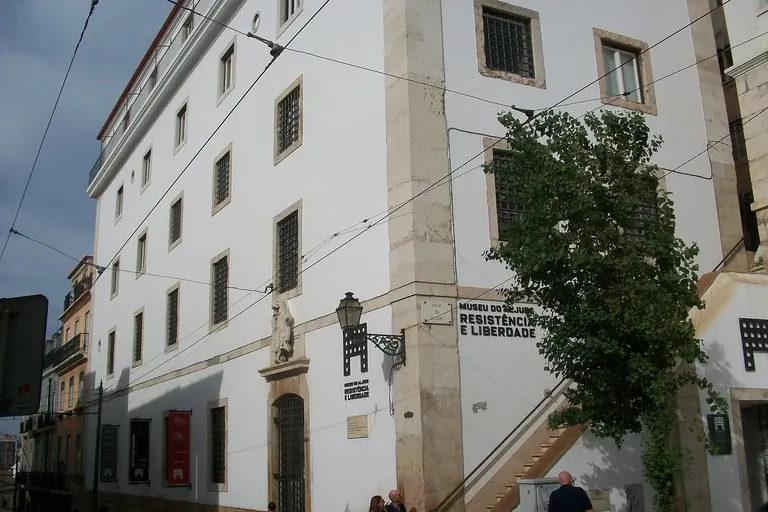
Museu do Aljube – Resistência e Liberdade
Housed in the Aljube, a building used as a prison for most of its history and as a political jail from 1928 to 1965, the museum is dedicated to the fight against Portugal's 1926–1974 dictatorship. Floors trace censorship, the PIDE political police, interrogation and torture, the tiny isolation cells known as "curros", the anti-colonial struggle and the 25 April 1974 revolution. Archaeological remains from the Roman and Islamic periods are on view in the basement, and the top floor offers river views.
More in Lisbon
What's On
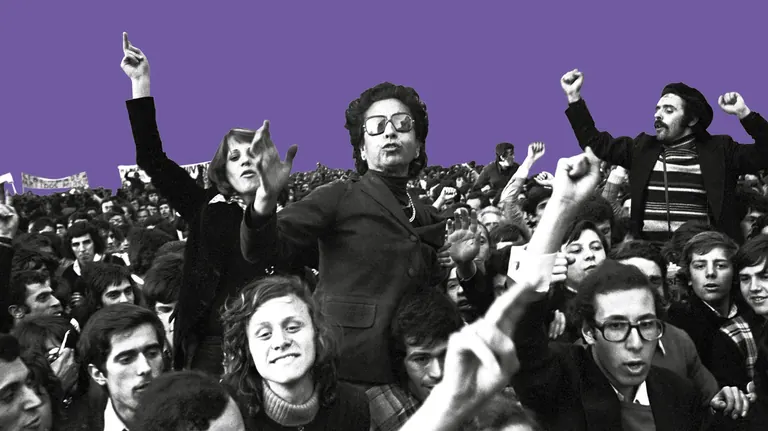
Permanent Collections
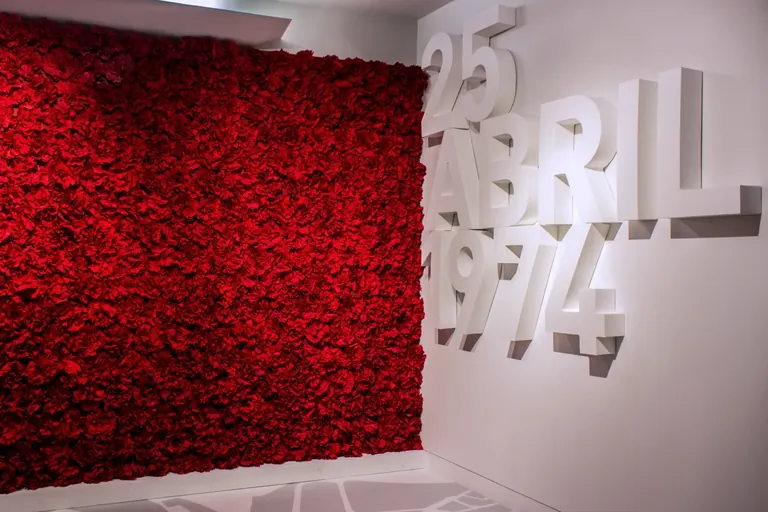
Anti-Colonial Struggle and 25 April 1974
Floor 3 covers colonialism, the liberation struggles and colonial war, the regime's victims, and the Carnation Revolution that restored freedom.
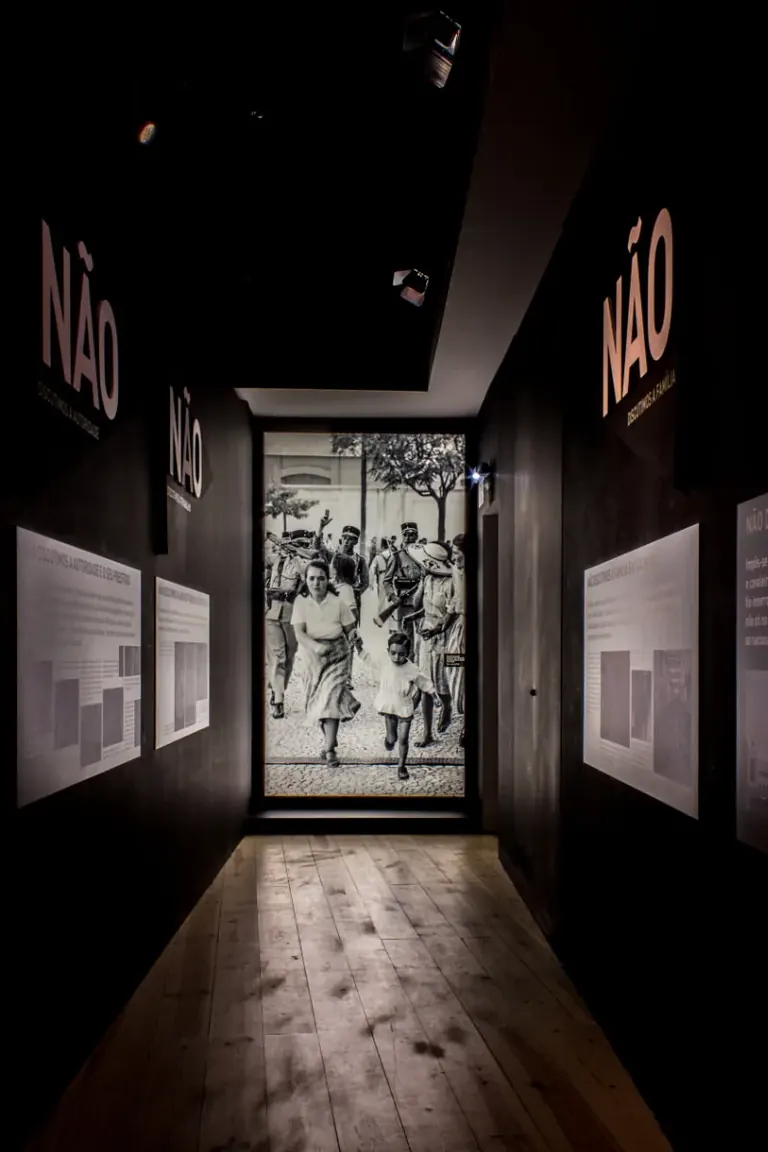
Rise and Fall of Fascism: Censorship, Clandestine Press and the Political Police
Floor 1 traces Portugal from 1890 to 1976: Salazar's "God, Homeland and Family", censorship, the clandestine press, underground life and the political courts.
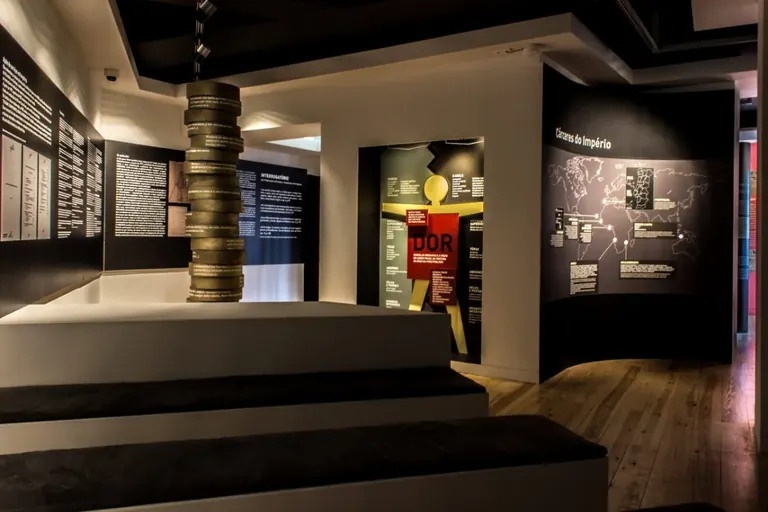
Resist: The Prison Circuit and the "Curros" Cells
Floor 2 follows a political prisoner from arrest through interrogation and torture to colonial camps, ending at the Aljube's tiny isolation cells, the "curros".
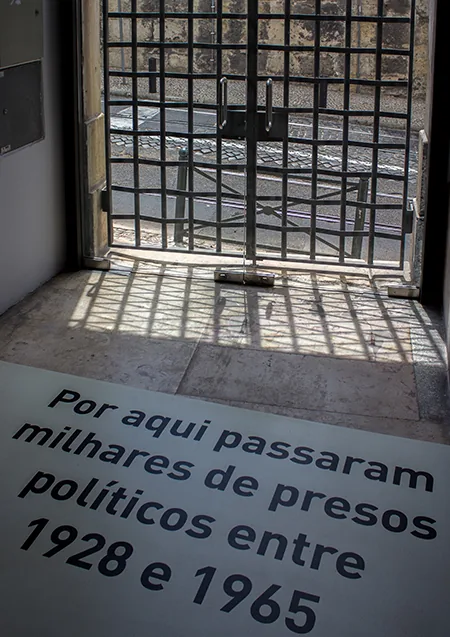
Archaeological Remains and Heritage History of the Aljube
On floors -1 and 0: finds from beneath the building, Roman and Islamic in origin, and the story of the Aljube as church, women's and political prison.
Plan Your Visit
Getting there
Rua de Augusto Rosa 42, 1100-059 Lisboa, Portugal
Nearest station: Terreiro do Paço (Metro, Blue Line), Baixa-Chiado (Metro, Blue/Green Lines) and Sé (Tram 12/28, Bus 737)
Show on mapHours
| Mon | Closed |
| Tue | 10:00–18:00 |
| Wed | 10:00–18:00 |
| Thu | 10:00–18:00 |
| Fri | 10:00–18:00 |
| SatToday | 10:00–18:00 |
| Sun | 10:00–18:00 |
Admission
From €4
Ages 13-25 €2; 65+ €2.80; disabled visitors €2.80 with a free companion; under 12 free. Temporary exhibitions free. Lisbon residents free on Sunday and holiday mornings until 14:00; free for all on 25 April and 18 May.
Accessibility
Step-free entrance with a wide manual door, tactile paving, wheelchair available at the ticket office, assistance dogs welcome, lockers.
Last verified
Nearby
Visitor Information
- How much does Museu do Aljube – Resistência e Liberdade cost?
- Standard adult admission to Museu do Aljube – Resistência e Liberdade is €4. Ages 13-25 €2; 65+ €2.80; disabled visitors €2.80 with a free companion; under 12 free. Temporary exhibitions free. Lisbon residents free on Sunday and holiday mornings until 14:00; free for all on 25 April and 18 May.. Prices for special exhibitions and timed-entry slots may differ.
- What are the opening hours of Museu do Aljube – Resistência e Liberdade?
- Museu do Aljube – Resistência e Liberdade is open Tuesday–Sunday 10:00–18:00 (last entry 17:30). Closed Mondays and on 1 January, 1 May, 24, 25 and 31 December. Closed 13:00–14:00 on 20, 22, 26 and 27 September 2026.. Holiday hours can vary, so check the museum's website before you go.
- Where is Museu do Aljube – Resistência e Liberdade?
- Museu do Aljube – Resistência e Liberdade is located at Rua de Augusto Rosa 42, 1100-059 Lisboa, Portugal, in the Sé / Alfama area of Lisbon. The nearest stations are Terreiro do Paço (Metro, Blue Line), Baixa-Chiado (Metro, Blue/Green Lines) and Sé (Tram 12/28, Bus 737).
- What can I see at Museu do Aljube – Resistência e Liberdade?
- A former political prison beside Lisbon Cathedral, now telling the story of resistance to Salazar's dictatorship. Current highlights include They Were Afraid, Yet They Went, Anti-Colonial Struggle and 25 April 1974 and Rise and Fall of Fascism: Censorship, Clandestine Press and the Political Police.
- Do I need to book Museu do Aljube – Resistência e Liberdade in advance?
- Booking ahead is recommended, especially for weekends, school holidays, and special exhibitions. Tickets are normally on the museum's website, and a pre-booked timed slot helps you avoid queues at the entrance.
- When is the best time to visit Museu do Aljube – Resistência e Liberdade?
- Weekday mornings shortly after opening are typically the quietest, especially mid-week. Late afternoons can also be calmer. Weekends, school holidays, and the lunch rush are the busiest periods.
- Is Museu do Aljube – Resistência e Liberdade accessible?
- Step-free entrance with a wide manual door, tactile paving, wheelchair available at the ticket office, assistance dogs welcome, lockers.
Image credits
10
- Museu do Aljube – Resistência e LiberdadeHipersyl / Wikimedia Commons, CC BY-SA 4.0
- They Were Afraid, Yet They WentCourtesy of Museu do Aljube – Resistência e Liberdade
- Anti-Colonial Struggle and 25 April 1974Courtesy of Museu do Aljube – Resistência e Liberdade
- Rise and Fall of Fascism: Censorship, Clandestine Press and the Political PolicePhoto: Sara Ruco
- Resist: The Prison Circuit and the "Curros" CellsCourtesy of Museu do Aljube – Resistência e Liberdade
- Archaeological Remains and Heritage History of the AljubeCourtesy of Museu do Aljube – Resistência e Liberdade
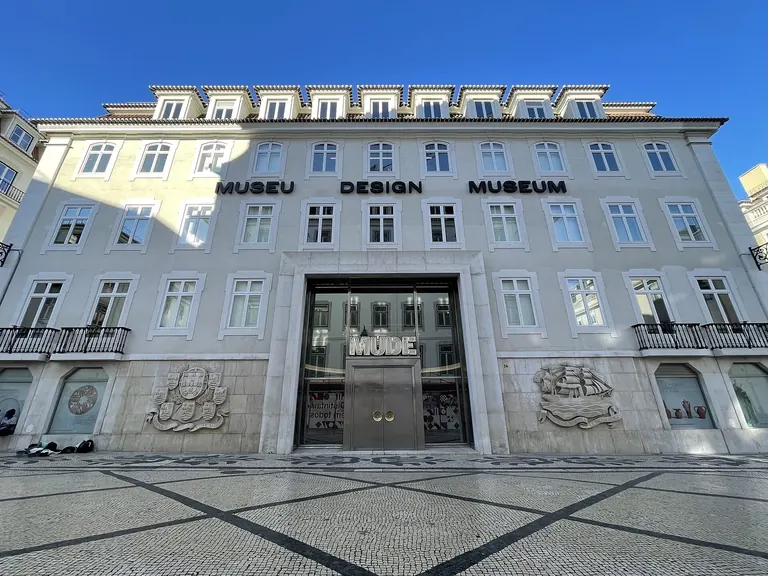
- MUDE – Museu do DesignDiogoBaptista / Wikimedia Commons, CC0
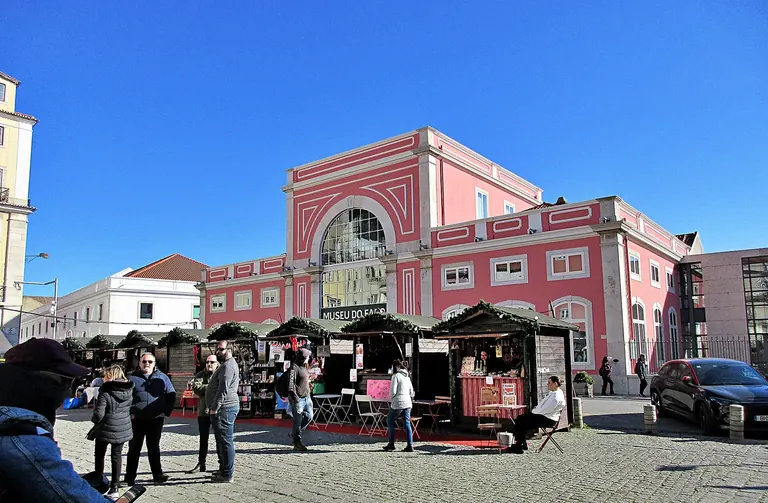
- Museu do FadoTxemari (Navarra), Wikimedia Commons, CC0
- MNAC – Museu Nacional de Arte Contemporânea do ChiadoHipersyl / Wikimedia Commons, CC BY 4.0
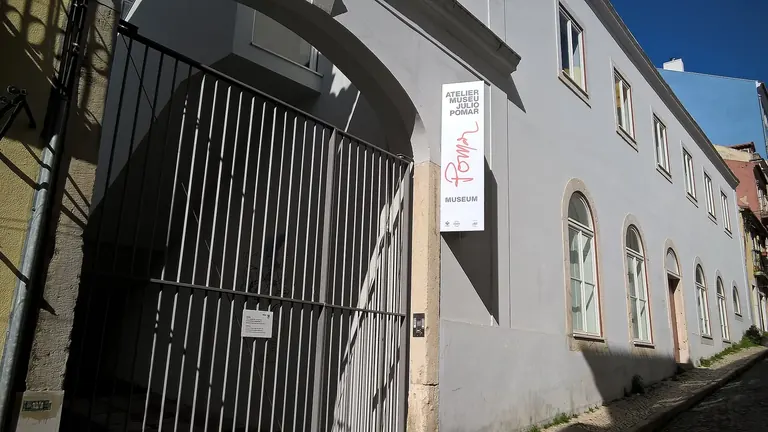
- Atelier-Museu Júlio PomarGualdimG / Wikimedia Commons, CC BY-SA 4.0