 i
Museu do Aljube – Resistência e LiberdadeSé / Alfama
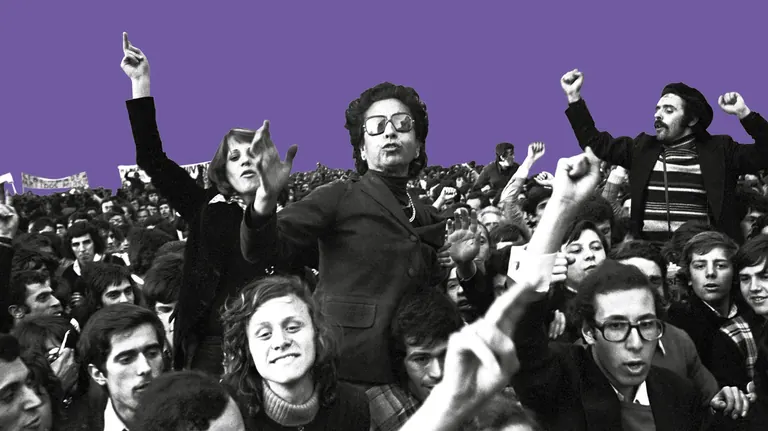
They Were Afraid, Yet They Went
Women political prisoners and resisters under Portugal's dictatorship: who they were, how they endured prison, exile and underground life, and who supported them.
More in Lisbon
You walk in and the room is split by fabric panels hanging from the ceiling, printed with names. Almost two thousand women who resisted Portugal's dictatorship are listed, and one visitor noticed the Marias first: the name comes back line after line.
The Aljube was itself a political prison from 1928 to 1965. The show asks who these women were, how they held out in prison, underground or in exile, and who sheltered them. Two murals sit with the names, one by Mariana, a Miserável, of women walking arm in arm in one direction. Curator Rita Rato's aim is plain: "Giving these almost two thousand women a name is the least we can do."
Most of it is for reading: the names, and the testimony in the brochure, some of which describes torture in detail. Temporary exhibitions are free (the permanent floors cost €4), Tuesday to Sunday 10:00 to 18:00, last entry 17:30, until 31 January 2027.
Editor's pick
Women political prisoners and resisters under Portugal's dictatorship: who they were, how they got through prison, exile and underground life, and who supported them. Free.
Look for
The fabric of names
Look for the panels hung from the ceiling that divide the room, carrying almost two thousand women's names, with Maria recurring line after line.
Mariana, a Miserável's mural
Women advance with a firm step, arms linked, all in the same direction; the artist says it shows fear turning into collective force.
Fernanda da Paiva Tomás's testimony
In the exhibition brochure she writes of being arrested again by the PIDE in February 1961, for wanting "more bread, more culture" and a dignified life.
Good for
- Cheap Culture
- Going Solo
- Nerding Out
With kids
The brochure includes detailed accounts of torture, including a woman whose arm was broken on the stairs; read it before sharing with children.
Also at Museu do Aljube – Resistência e Liberdade
On now nearby

Nearby
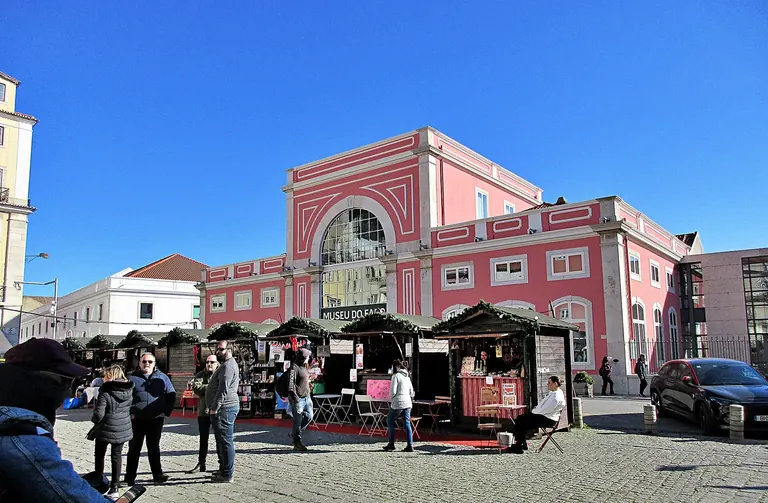
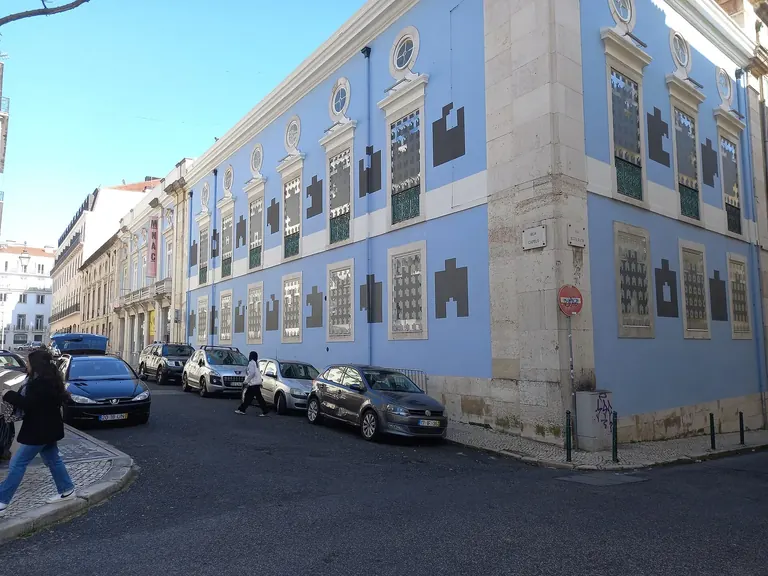
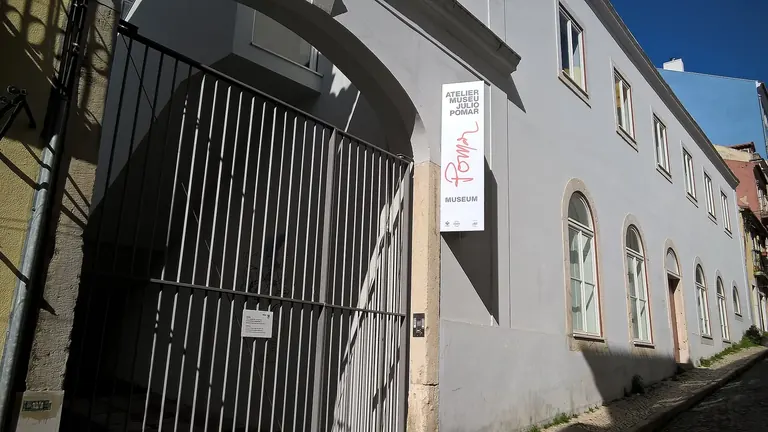
Image credits
9
- They Were Afraid, Yet They WentCourtesy of Museu do Aljube – Resistência e Liberdade
- Coexistências: Jewellery and the World's BeautyCourtesy of MUDE – Museu do Design
- Contemporary Jewellery: Tereza Seabra CollectionCourtesy of MUDE – Museu do Design
- Tragedy and Farce: Júlio Pomar and Gabriel AbrantesCourtesy of Atelier-Museu Júlio Pomar
- Museu do Aljube – Resistência e LiberdadeHipersyl / Wikimedia Commons, CC BY-SA 4.0
- MUDE – Museu do DesignDiogoBaptista / Wikimedia Commons, CC0
- Museu do FadoTxemari (Navarra), Wikimedia Commons, CC0
- MNAC – Museu Nacional de Arte Contemporânea do ChiadoHipersyl / Wikimedia Commons, CC BY 4.0
- Atelier-Museu Júlio PomarGualdimG / Wikimedia Commons, CC BY-SA 4.0