 i
Museu de LisboaCampo Grande
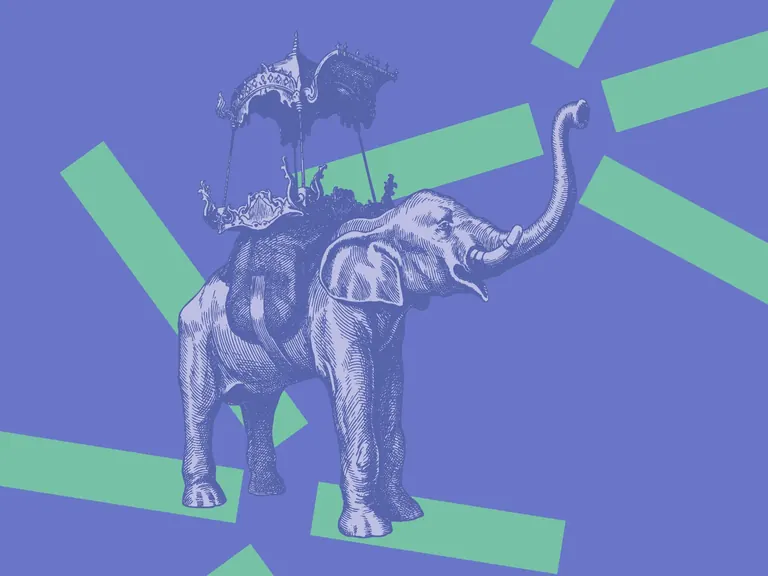
Animals of Lisbon – Another History of the City
Dogs, pigs, horses, even elephants and rhinos: the non-human neighbours who shaped Lisbon's streets, markets and stables. At the Pimenta Palace.
More in Lisbon
Preview: written before the show opened
Pigs, cows, dogs and horses were once as much a part of Lisbon's streets as its people, hauling loads, feeding the city and changing hands in its markets. Every so often an elephant or a rhinoceros turned up too, the museum says, because this was the capital of an empire spread over several continents.
The show at the Pimenta Palace is built around places and animal "biographies": the streets, markets, stables, aviaries and slaughterhouses where species lived side by side. It doesn't keep things cosy, and sets stories of interdependence next to ones of exploitation. It comes out of ANIMALx, a NOVA FCSH project and the first systematic study of how humans and animals shared the city. You also leave with homework: the researchers want phone photos of the animals you spot in Lisbon's streets, museums and monuments, so the tiled swallows on your neighbour's façade finally count as data.
Entry is €5 on Bol.pt, Tuesday to Sunday 10:00 to 18:00, from 29 October.
Editor's pick
Pigs, cows, dogs and horses once worked Lisbon's streets and markets, and the odd elephant or rhinoceros arrived with the empire. The show follows them through stables, slaughterhouses and aviaries, exploitation included, drawn from the first systematic study of the subject.
Good for
- Cheap Culture
- Locals Who've Seen It All
- Nerding Out
With kids
The museum runs 75-minute family workshops in the show, such as animal self-portraits on 7 November (€5), a Christmas ornament session on 29 November and a clue hunt around the Pimenta Palace on 12 December.
Free in the same building
Plan a visit to Museu de LisboaAlso at Museu de Lisboa
On now nearby

Nearby
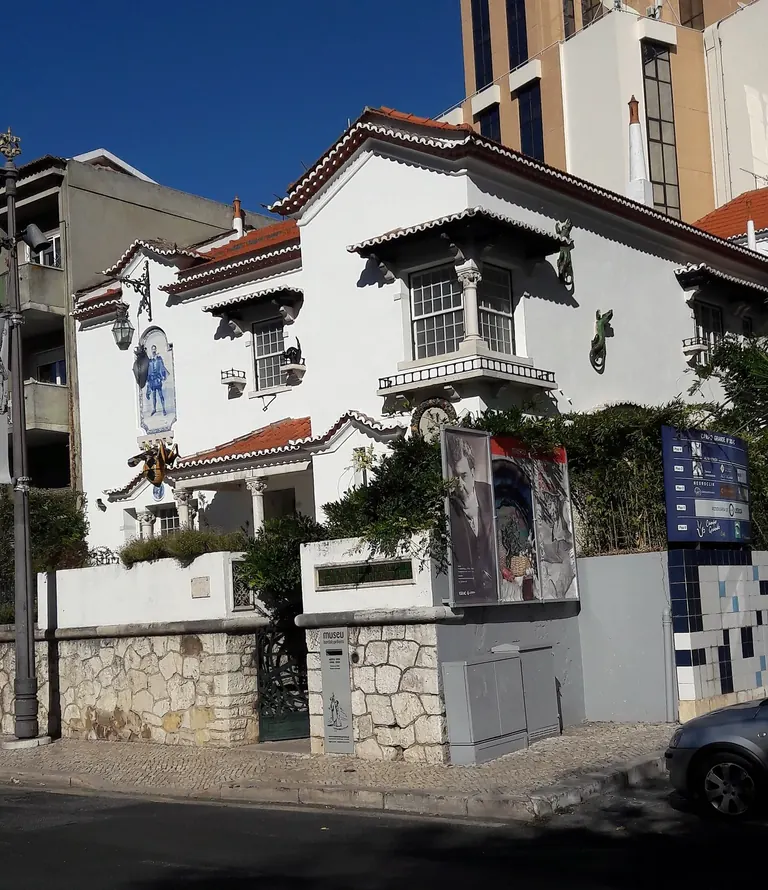
Image credits
6
- Animals of Lisbon – Another History of the CityCourtesy of Museu de Lisboa
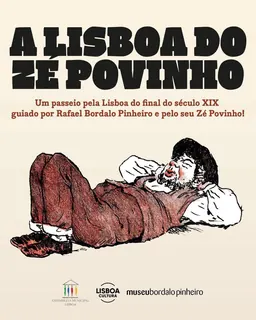
- Zé Povinho's Lisbon (A Lisboa do Zé Povinho)Courtesy of Museu Bordalo Pinheiro
- Sara Sadik. KhtobtogoneCourtesy of Centro de Arte Moderna Gulbenkian (CAM)
- Mostra Espanha 2026: Guest Works by Maruja MalloColección Centro de Arte Fundación María José Jove / VEGAP
- Museu de LisboaCarlos Luis M C da Cruz / Wikimedia Commons, Public domain
- Museu Bordalo PinheiroHipersyl / Wikimedia Commons, CC BY-SA 4.0