 i
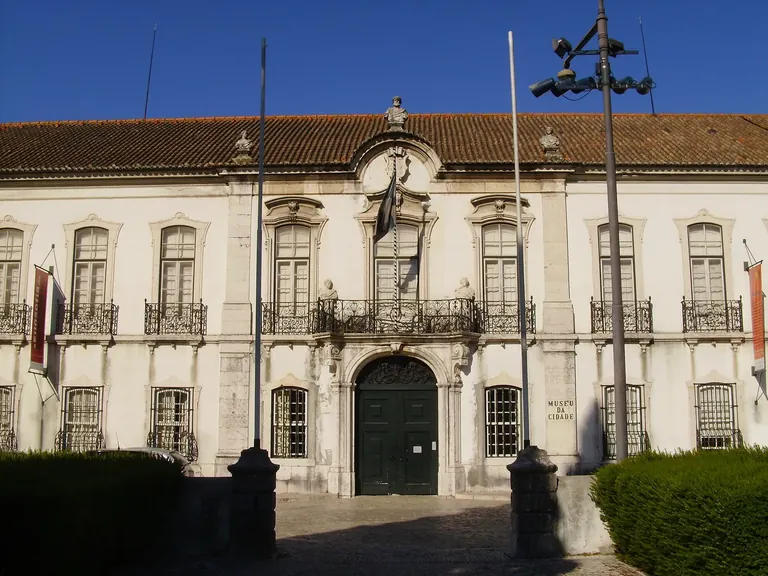
Museu de Lisboa
The Museum of Lisbon tells the story of the city across five sites, headquartered at the Pimenta Palace, an 18th-century summer palace in Campo Grande. Its long-term exhibition traces Lisbon's growth from the first Palaeolithic settlements to the 20th-century renewal of Parque das Nações, through maps, models, paintings, tiles and everyday objects. The palace also has two temporary exhibition spaces, the Black Pavilion and the Backroom, plus gardens with a kiosk. Sister sites are the Roman Theatre, Saint Anthony museum, Casa dos Bicos and the West Tower.
More in Lisbon
What's On

Permanent Collections
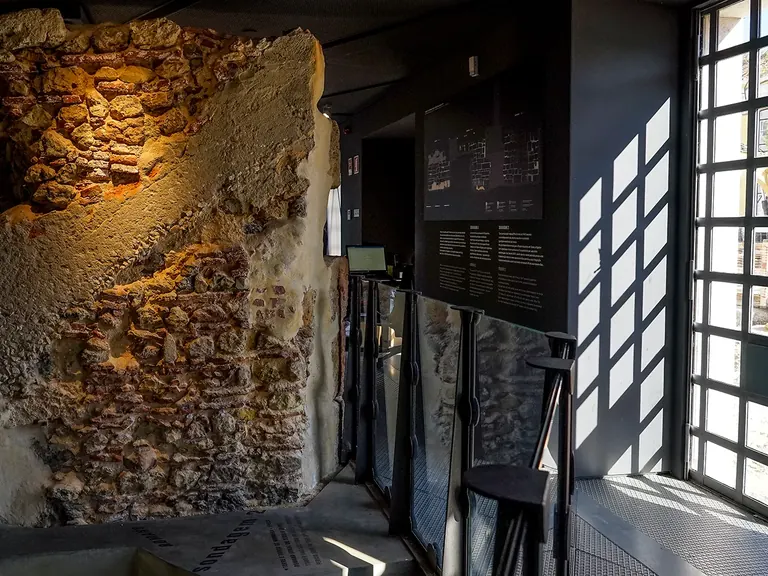
Museum of Lisbon – Casa dos Bicos (Long-term Exhibition)
Separate site in a 16th-century riverside house: excavated Roman fish-salting tanks and a stretch of Olisipo's wall and watchtower. Free.
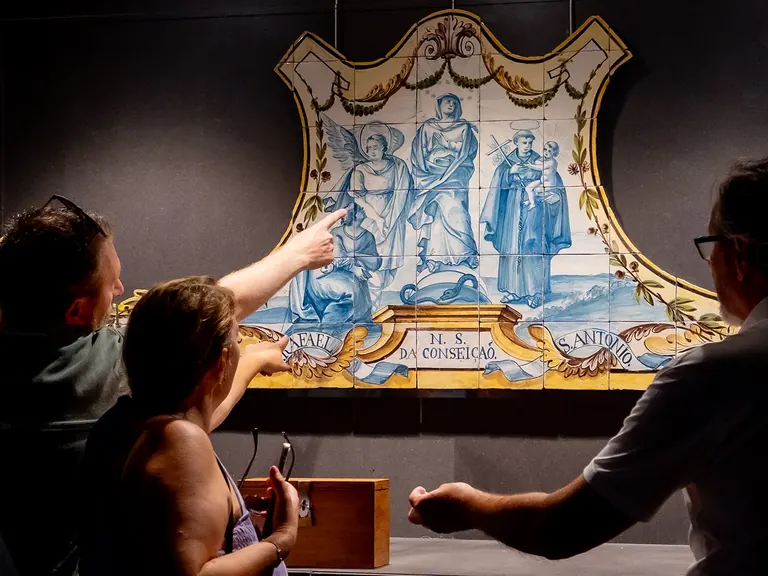
Museum of Lisbon – Saint Anthony (Long-term Exhibition)
Separate site by Santo António church: the Lisbon-born saint, his worldwide cult, military honours and Afro-Brazilian devotions.
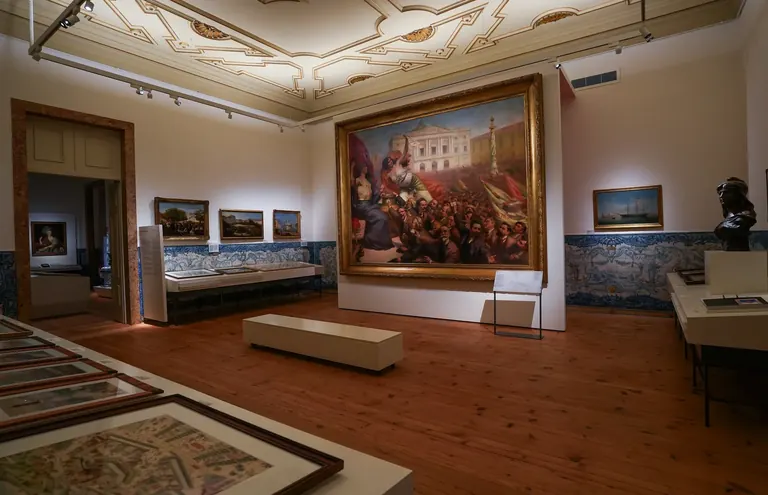
Museum of Lisbon – Pimenta Palace (Long-term Exhibition)
The evolution of Lisbon from Palaeolithic settlement over 100,000 years ago to the 20th-century renewal of Parque das Nações, told through urban growth and daily life.
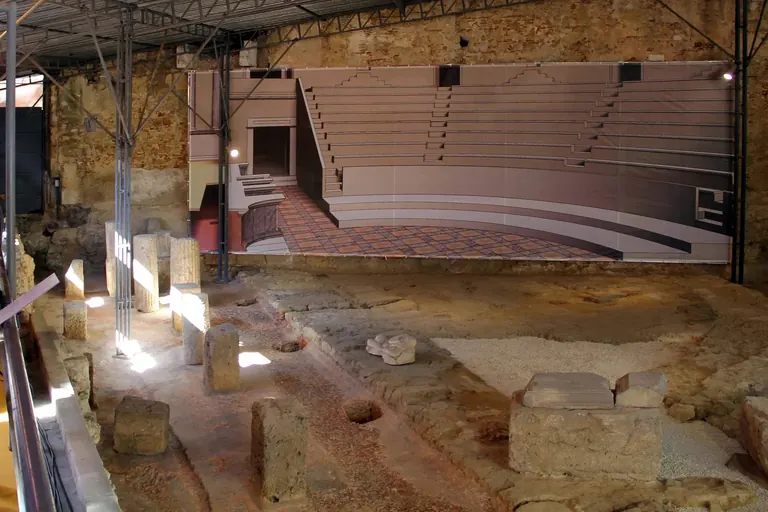
Museum of Lisbon – Roman Theatre (Long-term Exhibition)
Separate site near the Cathedral: the on-site remains of the theatre of Roman Felicitas Iulia Olisipo, with finds from every period and views over the Tagus.
Plan Your Visit
Getting there
Campo Grande 245, 1700-091 Lisboa, Portugal
Nearest station: Campo Grande (Metro, Green and Yellow lines)
Show on mapHours
| Mon | Closed |
| Tue | 10:00–18:00 |
| Wed | 10:00–18:00 |
| Thu | 10:00–18:00 |
| Fri | 10:00–18:00 |
| SatToday | 10:00–18:00 |
| Sun | 10:00–18:00 |
Admission
From €5
Pimenta Palace permanent exhibition €5; Black Pavilion temporary exhibition €4; combined €7; joint ticket with Saint Anthony and Roman Theatre €8. Free up to 12 years; 50% for ages 13-25 (non-Lisbon residents); Lisbon residents free on Sundays and public holidays until 2pm.
Last verified
Nearby
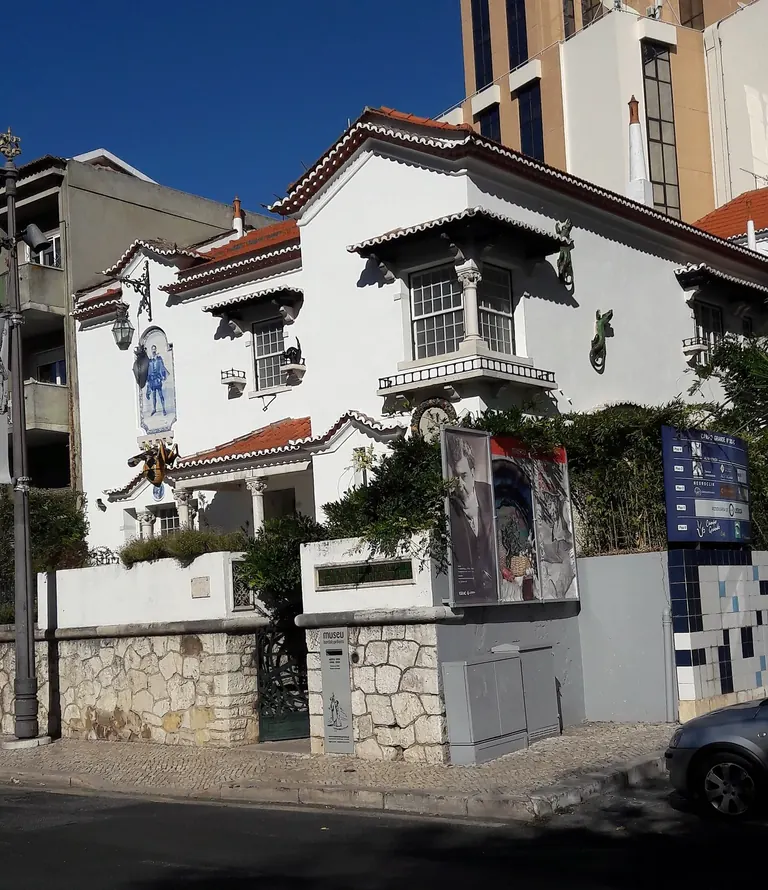
Visitor Information
- How much does Museu de Lisboa cost?
- Standard adult admission to Museu de Lisboa is €5. Pimenta Palace permanent exhibition €5; Black Pavilion temporary exhibition €4; combined €7; joint ticket with Saint Anthony and Roman Theatre €8. Free up to 12 years; 50% for ages 13-25 (non-Lisbon residents); Lisbon residents free on Sundays and public holidays until 2pm.. Prices for special exhibitions and timed-entry slots may differ.
- What are the opening hours of Museu de Lisboa?
- Museu de Lisboa is open Tuesday to Sunday 10:00-18:00 (last entry 17:30). Closed Mondays, 1 January, 1 May, 24, 25 and 31 December.. Holiday hours can vary, so check the museum's website before you go.
- Where is Museu de Lisboa?
- Museu de Lisboa is located at Campo Grande 245, 1700-091 Lisboa, Portugal, in the Campo Grande area of Lisbon. The nearest station is Campo Grande (Metro, Green and Yellow lines).
- What can I see at Museu de Lisboa?
- Lisbon's city museum in an 18th-century summer palace: 100,000 years of the city, from the Palaeolithic to Parque das Nações. Current highlights include Museum of Lisbon – Casa dos Bicos (Long-term Exhibition), Museum of Lisbon – Saint Anthony (Long-term Exhibition) and Museum of Lisbon – Pimenta Palace (Long-term Exhibition).
- Do I need to book Museu de Lisboa in advance?
- Booking ahead is recommended, especially for weekends, school holidays, and special exhibitions. Tickets are normally on the museum's website, and a pre-booked timed slot helps you avoid queues at the entrance.
- When is the best time to visit Museu de Lisboa?
- Weekday mornings shortly after opening are typically the quietest, especially mid-week. Late afternoons can also be calmer. Weekends, school holidays, and the lunch rush are the busiest periods.
Image credits
7
- Museu de LisboaCarlos Luis M C da Cruz / Wikimedia Commons, Public domain
- Museum of Lisbon – Casa dos Bicos (Long-term Exhibition)© EGEAC – José Frade
- Museum of Lisbon – Saint Anthony (Long-term Exhibition)© EGEAC – José Frade
- Museum of Lisbon – Pimenta Palace (Long-term Exhibition)© EGEAC/José Frade
- Museum of Lisbon – Roman Theatre (Long-term Exhibition)© EGEAC – Museu de Lisboa/José Avelar
- Animals of Lisbon – Another History of the CityCourtesy of Museu de Lisboa
- Museu Bordalo PinheiroHipersyl / Wikimedia Commons, CC BY-SA 4.0