 i
A Magnificent Banquet Setting: Ichi-no-ma and Ni-no-ma (First and Second Rooms) of the Kuroshoin
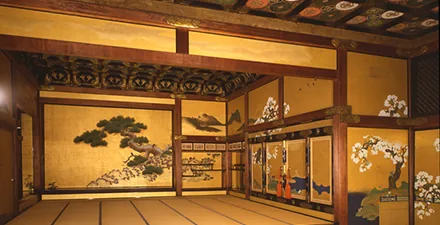
Original murals from the Kuroshoin, where the shogunate feasted the imperial court in 1626: cherry blossoms and pheasants in full spring colour beneath ink landscapes of ancient China.
More in Kyoto
Preview: written before the show opened
In September 1626, when Emperor Go-Mizunoo visited Nijo Castle, the shogunate feasted his court in the Kuroshoin and seated everyone by rank: imperial princes, regent families and former ministers in the Second Room, abbot-princes in the Third, court nobles out along the east corridor. The top table ate under these paintings.
The castle calls these two rooms the "Cherry Room". The murals are by Kano Naonobu, Tan'yu's younger brother: spring in heavy colour on the lower walls, cherries and plums in full flower, and ancient China in ink above the lintels. They hang behind glass in their palace order, so you can walk the Kuroshoin first, then come here for the originals. It's the only cherry blossom in Kyoto in December, and nobody's spreading a blue tarp in front of it.
The gallery is north of the Rest Area and costs 100 yen on top of castle admission (800 yen). It opens 9:00 to 16:30, but castle entry stops at 16:00. Closed 29 to 31 December.
Editor's pick
Kano Naonobu's cherry blossoms and pheasants line the lower walls of the room where the shogunate feasted Emperor Go-Mizunoo's court in 1626, with ink landscapes of ancient China above. The original murals cost 100 yen on top of castle entry.
Look for
Cherry Blossoms and Pheasants (Oka Kiji-zu)
Look along the lower walls for the spring scene in heavy colour, cherry and plum trees in full flower, painted to dress the room for the 1626 banquet.
Pavilions in a Landscape (Rokaku Sansui-zu)
Look up above the lintels, where the colour drops away and ancient Chinese pavilions and mountains are done in ink alone.
The snow-dusted pine
The castle describes a pine branch behind the shogun's seat carrying a faint layer of snow, set among plum blossom and falling cherry petals so the season turns across the walls.
Good for
- Cheap Culture
- Nerding Out
- Out-Of-Town Guests
Also at Nijo Castle (Nijo-jo)
On now nearby
Nearby
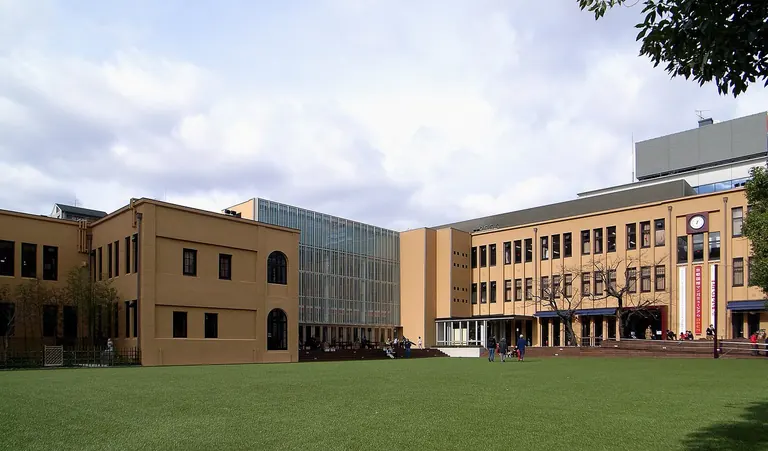
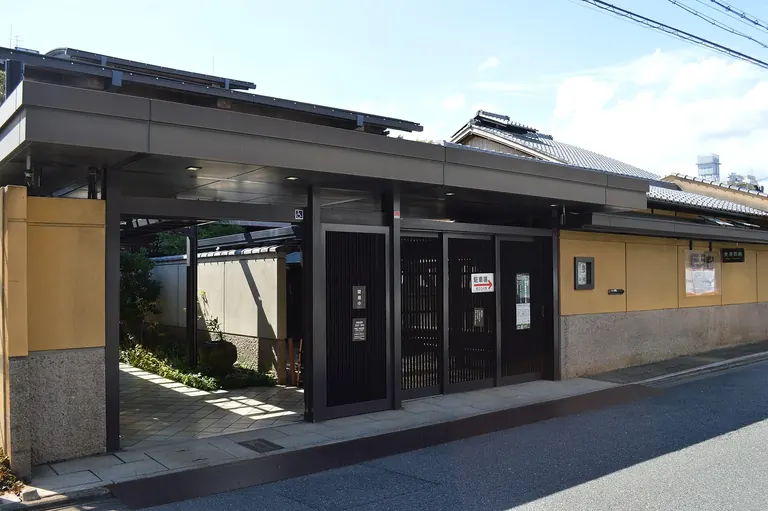
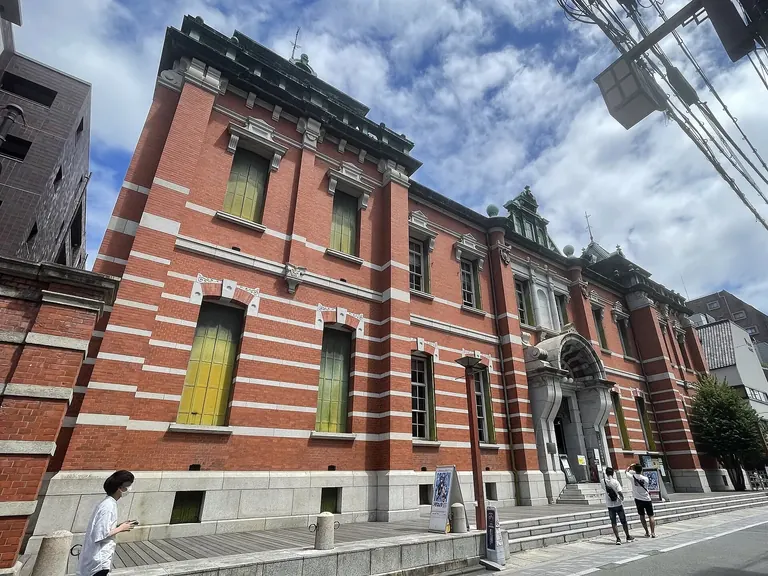
Image credits
8
- A Magnificent Banquet Setting: Ichi-no-ma and Ni-no-ma (First and Second Rooms) of the KuroshoinCourtesy of Nijo Castle (Nijo-jo)
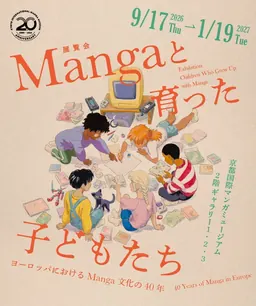
- Children Who Grew Up with Manga: 40 Years of Manga in EuropeCourtesy of Kyoto International Manga Museum
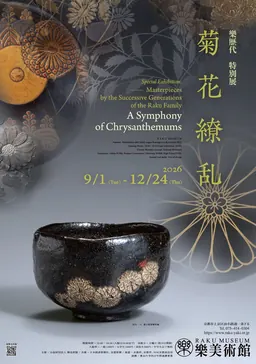
- A Symphony of Chrysanthemums: Masterpieces by the Successive Generations of the Raku FamilyCourtesy of Raku Museum
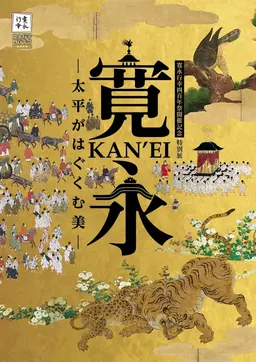
- Kan'ei: Beauty Nurtured by PeaceCourtesy of The Museum of Kyoto
- Nijo Castle (Nijo-jo)Keith Pomakis / Wikimedia Commons, CC BY-SA 2.5
- Kyoto International Manga Museum珈琲ルンバ via Wikimedia Commons, CC BY-SA 3.0
- Raku MuseumAt by At / Wikimedia Commons, CC BY-SA 3.0
- The Museum of KyotoTokumeigakarinoaoshima / Wikimedia Commons, CC BY-SA 4.0