MIT MuseumKendall Square, Cambridge
Sensing Oceans
Immersive installations by Marshmallow Laser Feast set against 19th-century oceanographic equipment, exploring how we make sense of the earth's oceans. Opens with the OCEANS season at MIT Future Fest.
More in Boston
Mesobot, a Woods Hole robot, films animals in the ocean's middle depths under red light, because they steer clear of anything brighter. Its footage plays here alongside RoboTuna II, the robot fish MIT built in 2000 to study how real fish move through water.
The show lines up the tools people have built to reach a sea they can't see into, from early sounding rods to sonar images and autonomous vehicles, and sets art among them. The centrepieces are two US premieres by the London collective Marshmallow Laser Feast. In Seeing Echoes in the Mind of the Whale, you listen to hydrophone recordings of dolphins, humpbacks and sperm whales while the underwater imagery reshapes itself to their sound.
It suits anyone more curious about how we know the ocean than about the fish themselves. Entry is included in general admission ($20 adults, $10 ages 6 to 18), the museum is open daily 10am to 5pm, and a full-price adult ticket gets a free return visit until 31 December.
Editor's pick
Marshmallow Laser Feast's installations set against 19th-century oceanographic equipment, part of the museum's OCEANS season, with Crochet Coral Reef in the same building.
Look for
RoboTuna II
Look for the robotic tuna MIT built in 2000 to work out how fish swim so efficiently through water.
Mesobot's red-light footage
Video of midwater animals filmed by a Woods Hole underwater robot that uses red light because the creatures avoid any other kind.
Plankton Temple
Marshmallow Laser Feast's kinetic sculpture of light, glass and sound follows plankton's daily rise and fall through the water, which helps the ocean lock away carbon.
Seeing Echoes in the Mind of the Whale
Hydrophone recordings of dolphins and whales drive the underwater imagery on the screens, recreating how these animals see with sound.
The Blaschka glass sea creatures
Nineteenth-century glass models of marine invertebrates by Leopold and Rudolf Blaschka, lent by Harvard's Museum of Comparative Zoology.
Good for
- Nerding Out
- Out-Of-Town Guests
- Teenagers
With kids
Ages 6 to 18 pay $10 and under-6s are free, or a family ticket for two adults and two youth is $55. Teens 14 and over may visit unaccompanied outside school hours.
Also at MIT Museum
On now nearby
Nearby
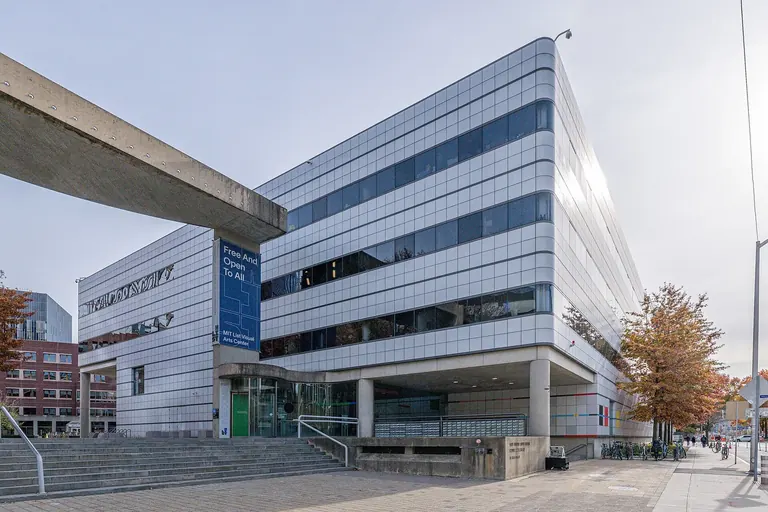
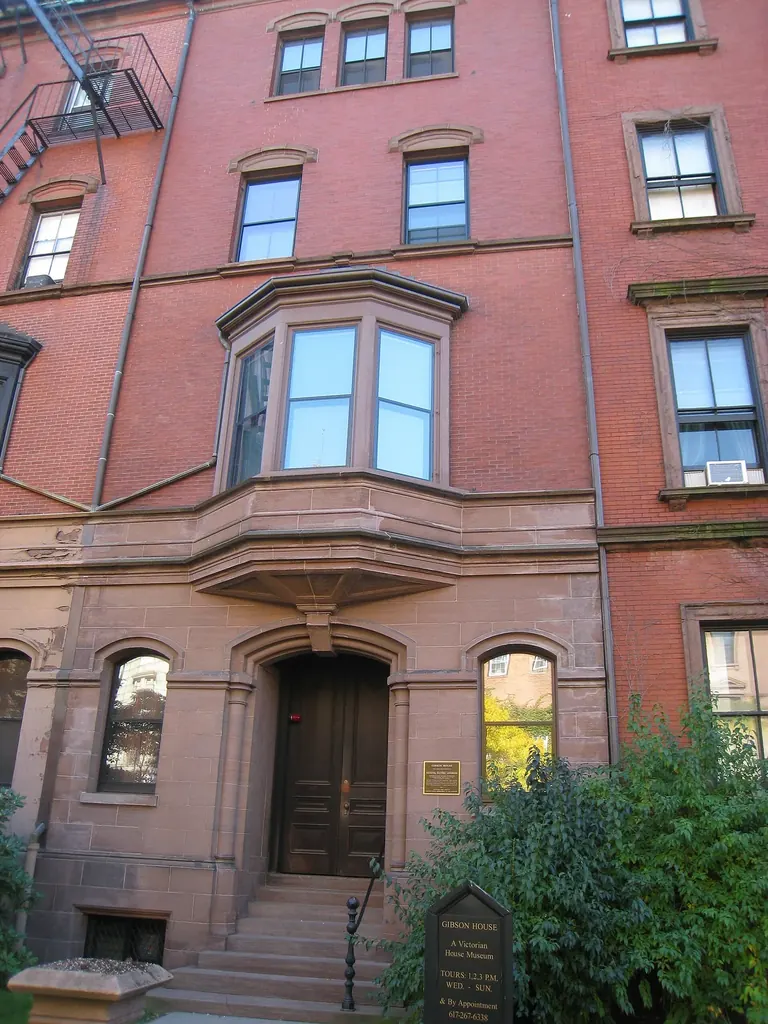
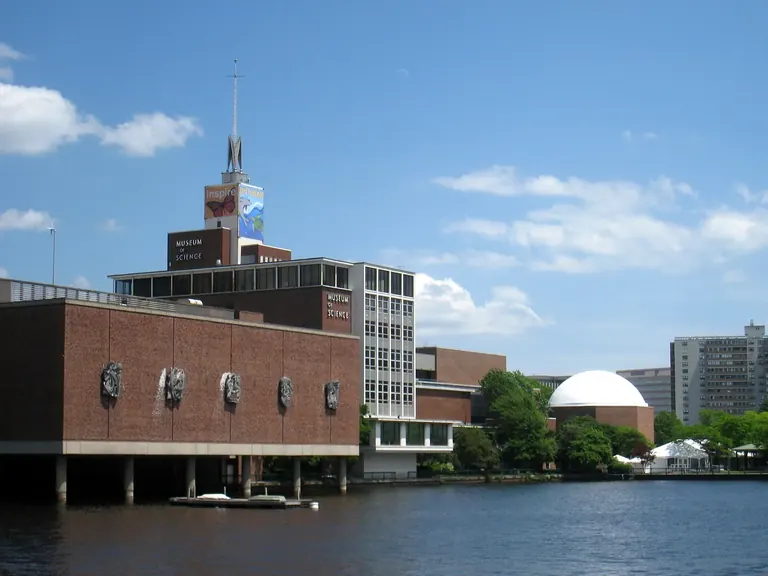
Image credits
7
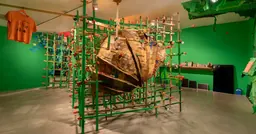
- List Projects 35: Pap Souleye FallMel Taing / MIT List Visual Arts Center
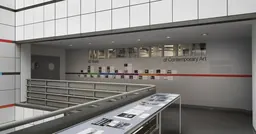
- 40 Years of Contemporary ArtMIT List Visual Arts Center
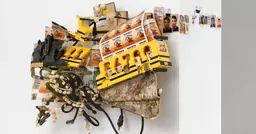
- Uri Aran: Look How Hard They WorkCourtesy the artist / MIT List Visual Arts Center
- MIT MuseumS5A-0043 / Wikimedia Commons, CC BY 4.0
- MIT List Visual Arts Centerajay_suresh / Wikimedia Commons, CC BY 4.0
- Gibson House MuseumDaderot / Wikimedia Commons, Public domain
- Museum of Science, BostonDaderot, via Wikimedia Commons, Public domain