 i
MIT MuseumKendall Square, Cambridge
Freezing Time: Edgerton and the Beauty of the Machine Age
Harold "Doc" Edgerton's stroboscope and high-speed flash photographs from the 1930s, freezing motion in factories and the natural world, reprinted from the original negatives.
More in Boston
In 1932 Harold Edgerton photographed water running from a faucet, and his wife told him, "Harold, take more of those kinds of pictures!" He did: a drop of milk splashing into a crown, a bullet leaving an apple, a football dented by a kicker's foot.
The show has 55 items. Twenty are photographs reprinted from his original negatives by Gus Kayafas; the rest are notebook pages, later work by photographers he inspired, and the strobes themselves. You walk past the milk splash to find what paid for it: factory jobs, like working out how soap bubbles pop for Lever Brothers. Rival engineers grumbled that his "pretty pictures" won him too much credit, the oldest Kendall Square complaint about a good demo.
It's for anyone who cares how a picture got made, and the Globe's Mark Feeney found "a kind of wondrousness" in the obsolete kit. It's in the Kurtz Gallery (3.4), included in general admission ($20 adults), daily 10am to 5pm until 29 November.
Look for
The milk drop coronet
Look for a single drop of milk caught at the instant of impact, splashing up into a crown; a version hung in MoMA's first photography exhibition in 1937.
How to Make Applesauce at MIT
A .30 calibre bullet frozen as it exits an apple, the shot the museum calls one of his most famous.
The Perfect Swing of Bobby Jones
A multi-flash image that lays the golfer's whole swing out across a single frame.
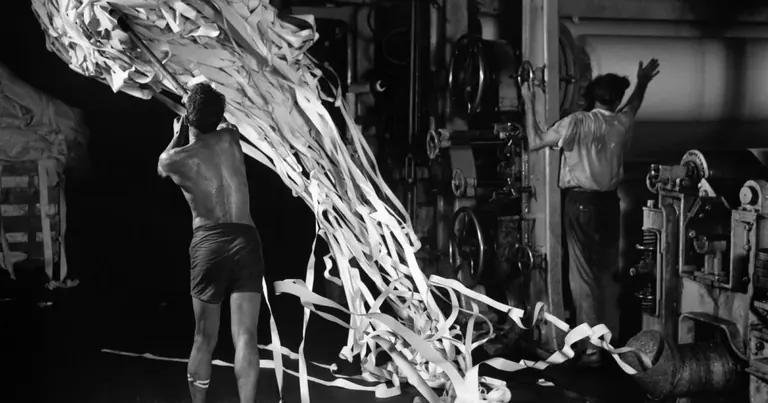
Paper Mill Worker
A factory hand who, in the Globe critic's words, appears "almost to be dancing with ribbons of paper".
The Edgerton Stroboscope and Kodatron Speedlamp
The 1930s commercial flash units that grew out of his factory customisations, shown beside the pictures they made possible.
Good for
- Nerding Out
- Out-Of-Town Guests
With kids
Ages 6 to 18 pay $10 and under-6s are free, or a family ticket for two adults and two youth is $55.
Also at MIT Museum
On now nearby
Nearby
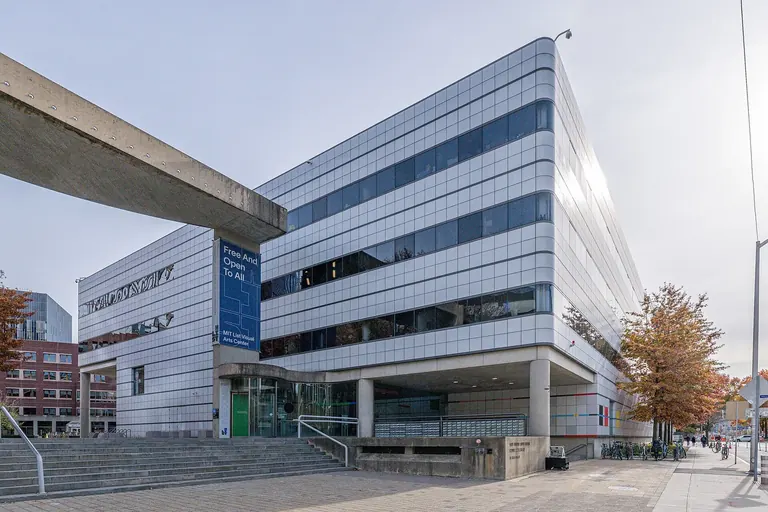
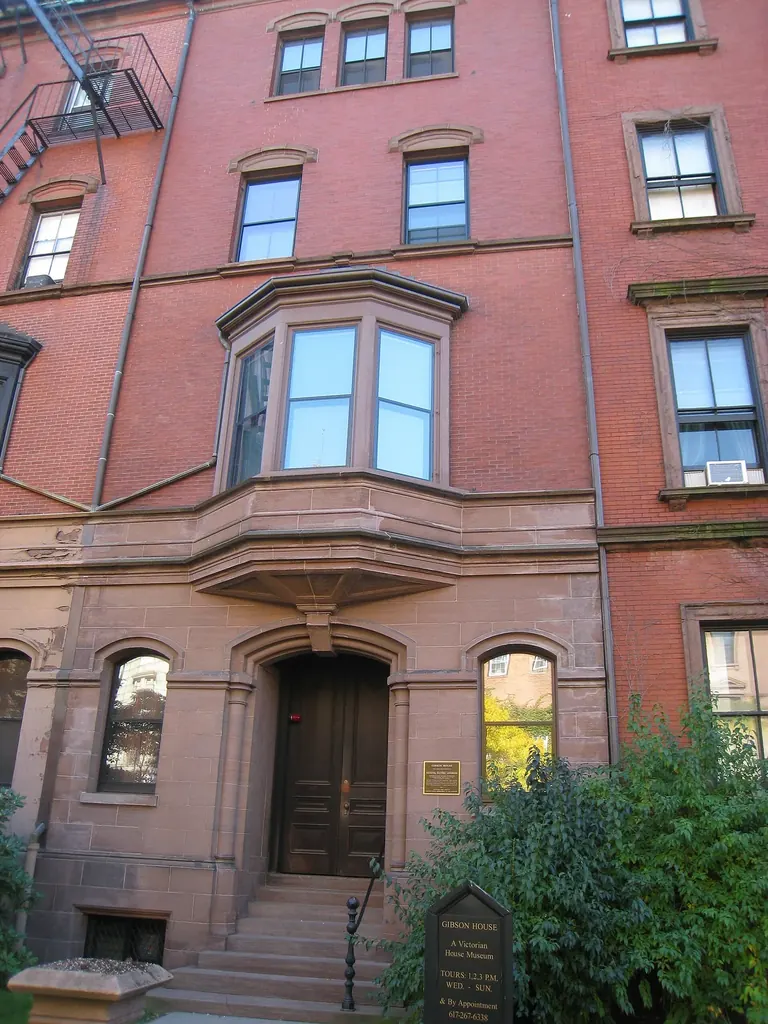
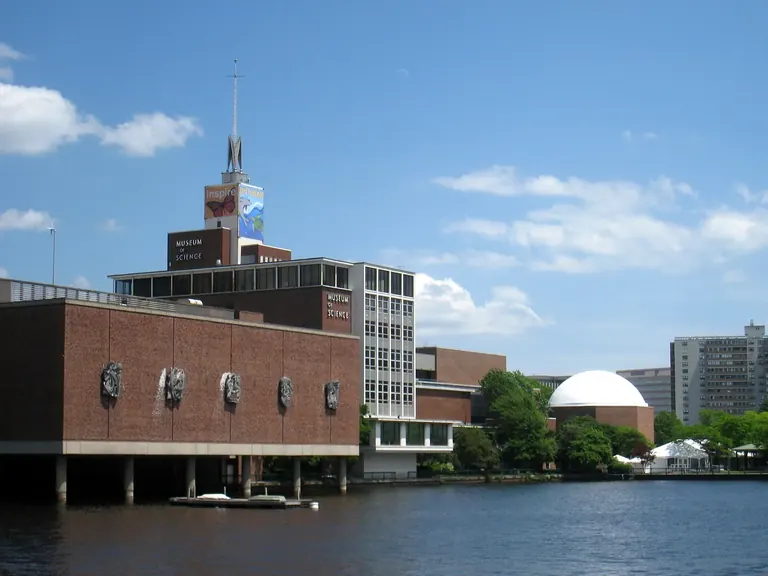
Image credits
8
- Freezing Time: Edgerton and the Beauty of the Machine AgeCourtesy of MIT Museum
- List Projects 35: Pap Souleye FallMel Taing / MIT List Visual Arts Center
- 40 Years of Contemporary ArtMIT List Visual Arts Center
- Uri Aran: Look How Hard They WorkCourtesy the artist / MIT List Visual Arts Center
- MIT MuseumS5A-0043 / Wikimedia Commons, CC BY 4.0
- MIT List Visual Arts Centerajay_suresh / Wikimedia Commons, CC BY 4.0
- Gibson House MuseumDaderot / Wikimedia Commons, Public domain
- Museum of Science, BostonDaderot, via Wikimedia Commons, Public domain