MIT MuseumKendall Square, Cambridge
Split | Second
Instruments and artworks spanning 340 years across four sections - Earth Time, Mechanical Time, Electric Time, Atomic Time - tracing how precise timekeeping became a negotiated human construct.
More in Boston
Eight wall clocks hang beneath one digital clock that drives them, synchronised straight off the power grid. Each minute hand carries a strip of sandpaper, and every lap scrapes more of the numerals off its face until they're gone. That's Agustina Woodgate's National Times (Workout), from 2019.
It sits in the third of four sections, Earth, Mechanical, Electric and Atomic Time, which pair 340 years of instruments from MIT's collection with art. You start among sundials, which told a time that shifted with season and place, and end on material about the 1950s cesium clocks and the ytterbium optical lattice clocks MIT physicists are building now, which may redefine the length of a second.
Jonathon Keats's New England River Time is a clock run by five local rivers including the Charles: it falls behind in winter and catches up in summer. Officially, then, February in Boston runs slow. Entry is included in general admission ($20 adults, $10 ages 6 to 18), daily 10am to 5pm.
Look for
National Times (Workout)
Look for eight analog clocks slaved to one digital master clock, their sandpaper-tipped minute hands slowly grinding the numbers off their own faces.
New England River Time
Jonathon Keats's clock speeds up and slows down with the Charles, Neponset, Sudbury and Concord rivers and Alewife Brook, measured against their historical average flow.
The Earth Time sundials
The opening section's sundials and astronomical instruments kept a local time that changed with the season and with where you stood.
Good for
- Nerding Out
- Out-Of-Town Guests
With kids
Ages 6 to 18 pay $10 and under-6s are free, or a family ticket for two adults and two youth is $55.
Also at MIT Museum
On now nearby


Nearby
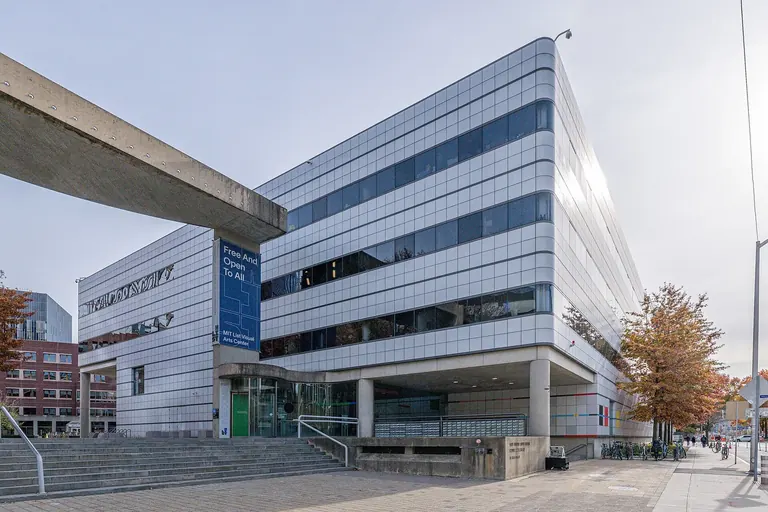
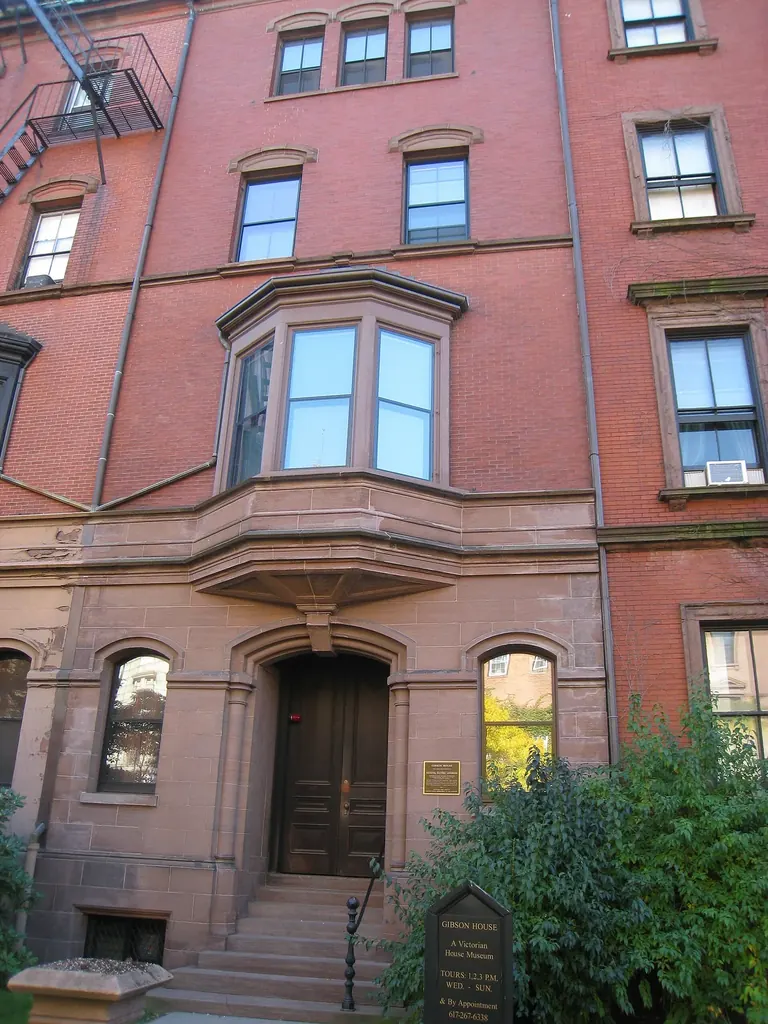
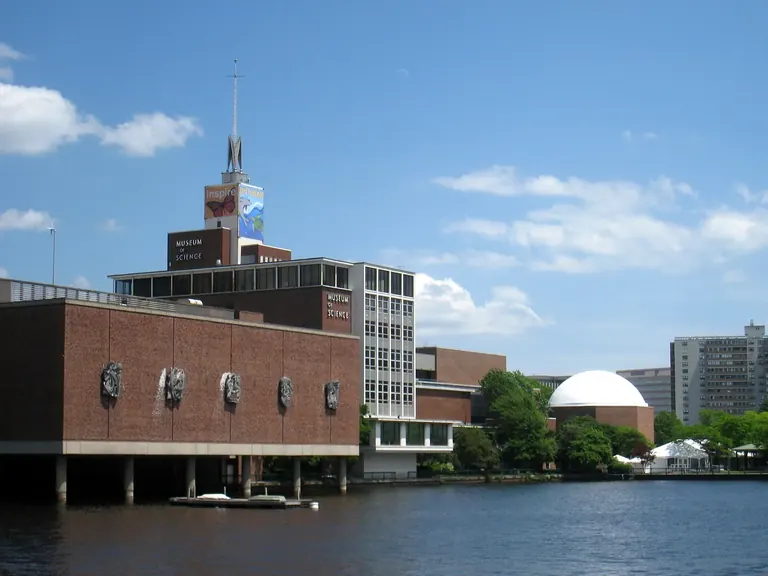
Image credits
7
- List Projects 35: Pap Souleye FallMel Taing / MIT List Visual Arts Center
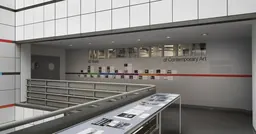
- 40 Years of Contemporary ArtMIT List Visual Arts Center
- Uri Aran: Look How Hard They WorkCourtesy the artist / MIT List Visual Arts Center
- MIT MuseumS5A-0043 / Wikimedia Commons, CC BY 4.0
- MIT List Visual Arts Centerajay_suresh / Wikimedia Commons, CC BY 4.0
- Gibson House MuseumDaderot / Wikimedia Commons, Public domain
- Museum of Science, BostonDaderot, via Wikimedia Commons, Public domain