National Portrait GalleryPenn Quarter / Chinatown
Photographic Memory: Fifty Years of Collecting
The photographs department turns fifty with more than one hundred works spanning the daguerreian era to the digital age.
More in Washington, DC
Preview: written before the show opened
For the first time, the earliest known photographs of a U.S. president and a first lady hang side by side: John Quincy Adams on a half-plate daguerreotype from 1843, and Dolley Madison, taken by John Plumbe Jr. around 1846. Her plate hasn't been shown since the museum bought it in July 2024.
The museum began collecting photographs in 1976 to take in people who never sat for a painted or sculpted portrait, which in Washington still describes most of the people doing the actual work. Fifty years on, photographs are nearly half its holdings. You start at a timeline of photographic processes, then walk forward in date order through more than 120 portraits, past Brady, Stieglitz, Lange, Gordon Parks, Avedon, Arbus and Leibovitz.
It's on the second floor from 14 November 2026 to 7 November 2027. Admission is free with no timed tickets, and the museum is open daily from 11:30am to 7pm.
Editor's pick
The first photograph of a president, John Quincy Adams in 1843, hangs beside the first of a first lady, Dolley Madison around 1846. Alexander Gardner's cracked-plate Lincoln is here too, among 120 portraits.
Look for
The first president and first lady on camera
Look for two small silvered plates side by side: John Quincy Adams in 1843 and Dolley Madison around 1846, the earliest known photographs of a president and a first lady, together for the first time.
Alexander Gardner's cracked-plate Lincoln
Look for the break running across the upper half of the image: the glass negative cracked during processing in February 1865, and this is the only print Gardner made before throwing the plate away.
The introductory timeline
Before the portraits start, a timeline lays out the major photographic processes and inventions, so you know a daguerreotype from an ambrotype by the time you reach them.
Good for
- Cheap Culture
- Nerding Out
- Out-Of-Town Guests
Also at National Portrait Gallery
On now nearby
Nearby
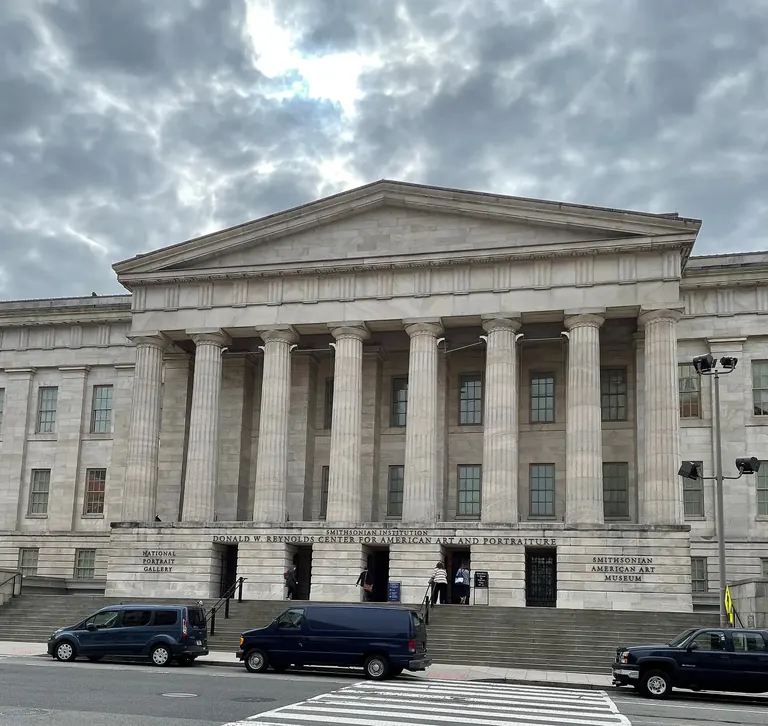
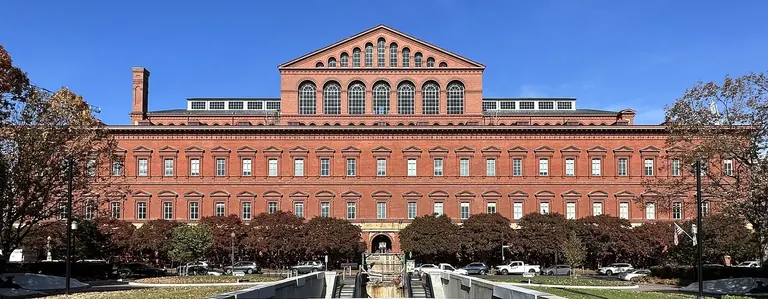
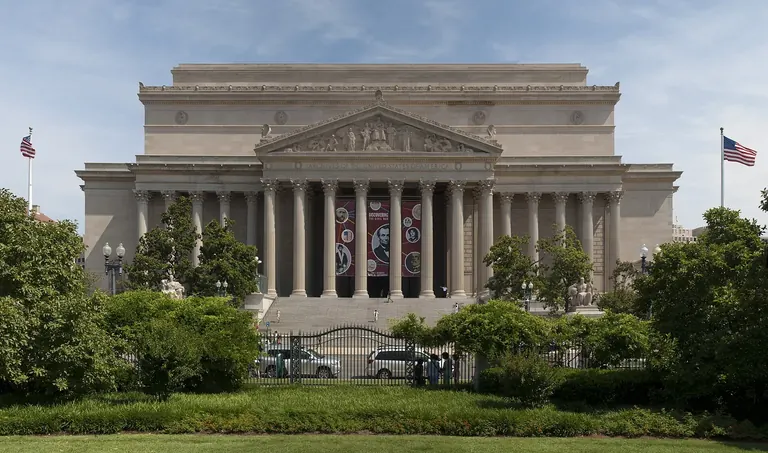
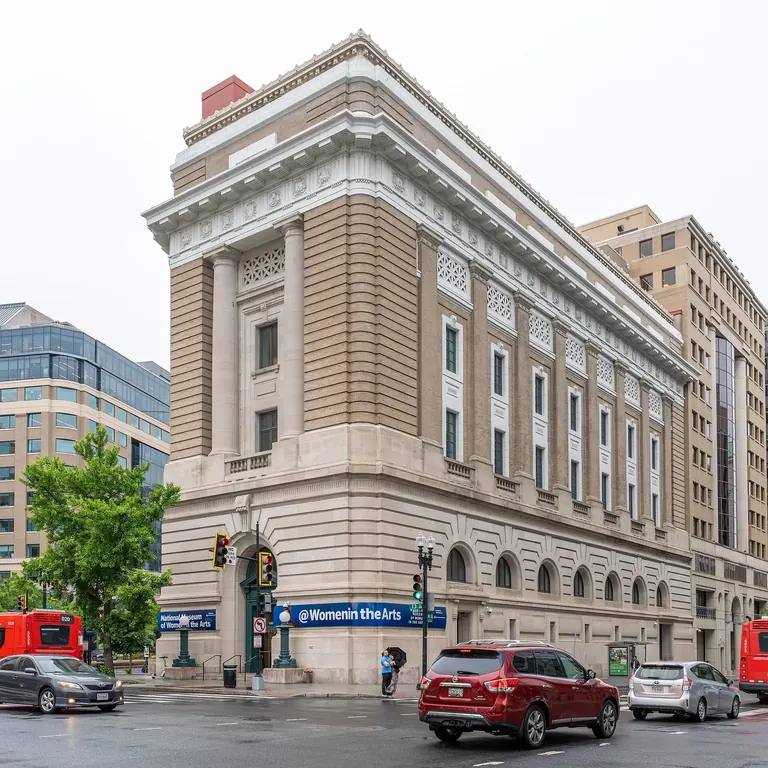
Image credits
8
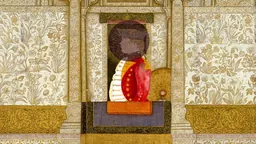
- Shahzia Sikander: The Last Post© 2025 Shahzia Sikander, courtesy the artist and Sean Kelly; Smithsonian American Art Museum
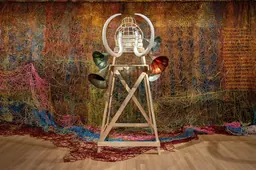
- Nick Cave: Mammoth© Nick Cave; photo by Ron Blunt Studio, courtesy Smithsonian American Art Museum
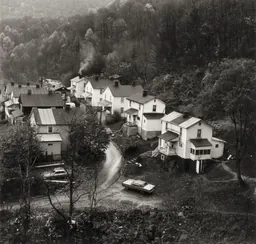
- Much Here Is Beautiful: Photography Surveys of the U.S. Bicentennial© 1975 Ted Wathen; Smithsonian American Art Museum, transfer from the National Endowment for the Arts
- National Portrait GalleryDifference engine, via Wikimedia Commons, CC BY-SA 4.0
- Smithsonian American Art MuseumFrogvixen / Wikimedia Commons, CC BY-SA 4.0
- National Building MuseumAPK, via Wikimedia Commons, CC BY 4.0
- National Archives MuseumDavid Samuel (Hellodavey1902) via Wikimedia Commons, CC BY-SA 3.0
- National Museum of Women in the Artsajay_suresh via Wikimedia Commons, CC BY 4.0