 i
Smithsonian American Art MuseumPenn Quarter
Much Here Is Beautiful: Photography Surveys of the U.S. Bicentennial
225 photographs from the NEA's Bicentennial-era survey projects, reuniting a 1970s portrait of America and setting it against federal survey photography going back to the 19th century.
More in Washington, DC
In the Midwest, John Margolies photographed roadside motels, diners and gas stations, and Joel Meyerowitz worked around the Gateway Arch in St. Louis. Both belonged to a national project: around 1976 the National Endowment for the Arts funded more than 70 regional photo surveys, shot by over 200 photographers.
The Smithsonian received 1,000 of the prints in 1983, and this is the first time the surveys are shown together. The 225 photographs are grouped as Northeast, South, Midwest and West. Lee Friedlander covers factories and workers in Ohio and Pennsylvania, and Robert Townsend Jones Jr. shows Beale Street in Memphis, printed from negatives found during the curators' research. Work by Carleton Watkins and Timothy O'Sullivan sets it in the line of 19th-century federal survey photography.
Margolies shot motels and diners in the 1970s, which is roughly what your camera roll of this year's brunches will look like in fifty years. Admission is free, daily 11:30 to 19:00, and the catalogue is $65 in the museum store.
Editor's pick
In the 1970s the NEA paid over 200 photographers to survey America: John Margolies shot motels and diners, Lee Friedlander the factory towns of Ohio. The surveys hang together here for the first time, 225 prints in all.
Look for
Lee Friedlander's factory towns
In the Northeast section, his pictures follow the factories and laborers of industrial towns in Ohio and Pennsylvania.
Beale Street, Memphis
Robert Townsend Jones Jr.'s street scenes are shown for the first time, printed from negatives that curatorial research turned up.
John Margolies's roadside America
His Midwest pictures are of motels, diners and gas stations.
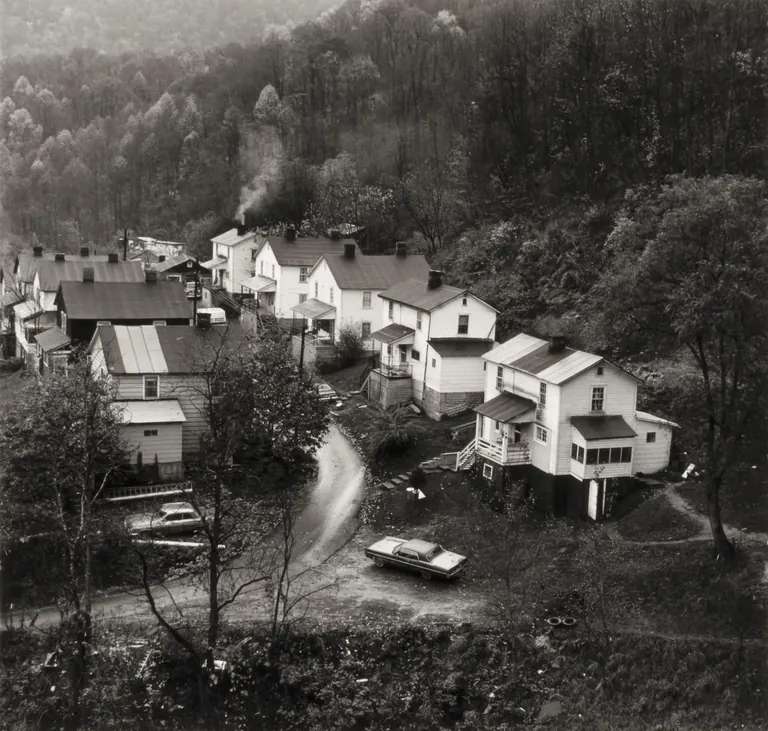
Ted Wathen, Former Company Houses
A 1975 view of company-built houses in Jenkins, Letcher County, Kentucky, from the Appalachian survey work.
The Rephotographic Survey Project
Mark Klett and JoAnn Verburg's West section entry sits alongside 19th-century survey photographs by William Bell and Timothy O'Sullivan.
Good for
- Cheap Culture
- Nerding Out
- Rainy Days
Also at Smithsonian American Art Museum
On now nearby

Nearby
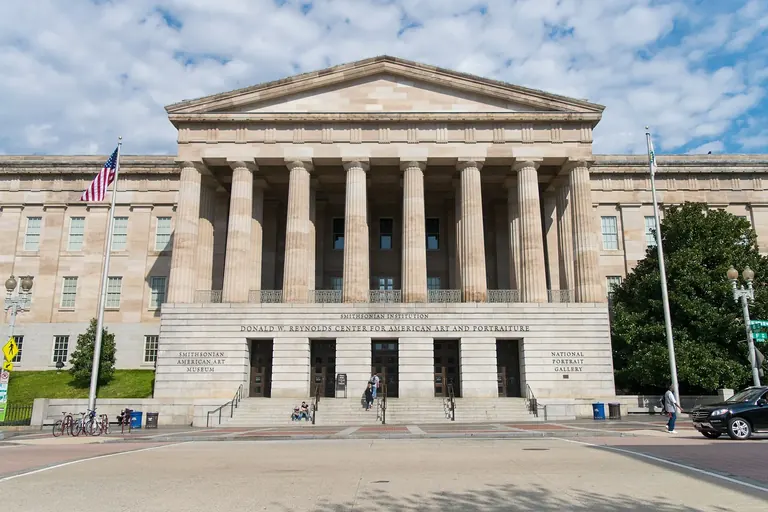
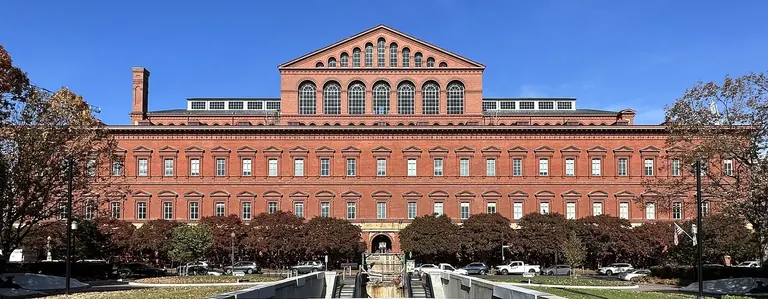
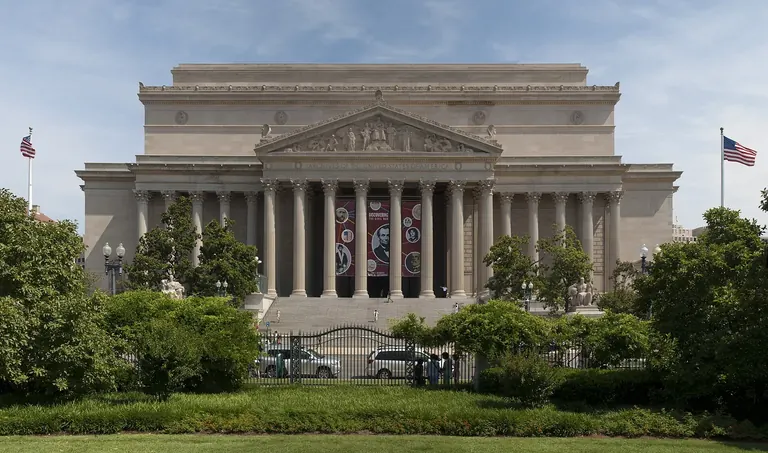
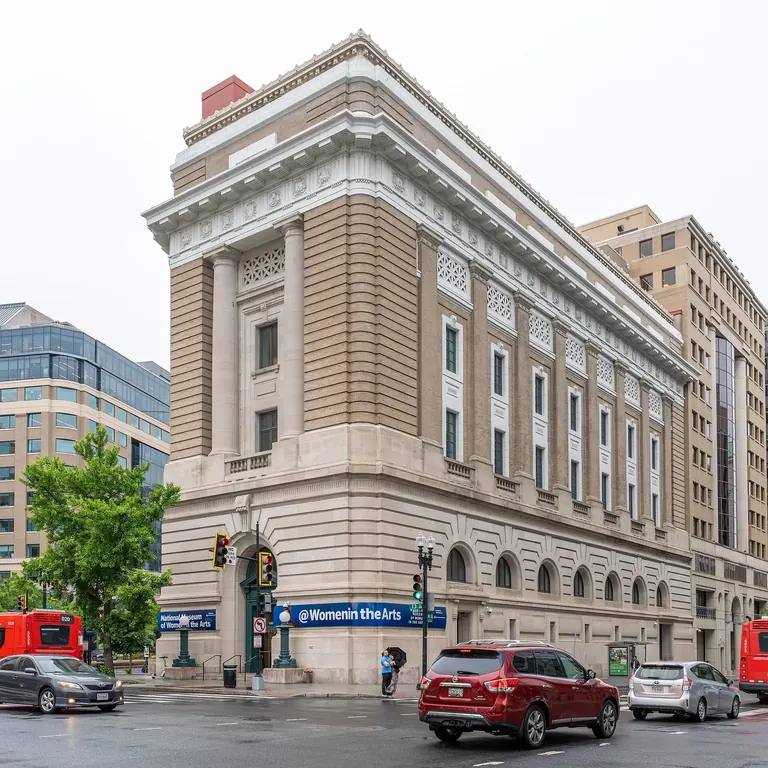
Image credits
9
- Much Here Is Beautiful: Photography Surveys of the U.S. Bicentennial© 1975 Ted Wathen; Smithsonian American Art Museum, transfer from the National Endowment for the Arts
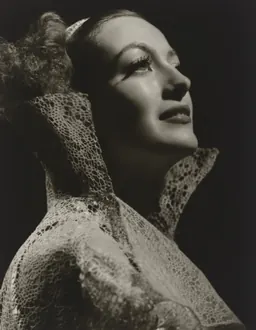
- Star Power: Photographs from Hollywood's Golden Age by George Hurrell (A Sequel)National Portrait Gallery, Smithsonian Institution
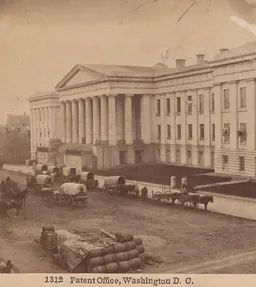
- The Spirit of Invention: Patent Office and PatenteesNational Portrait Gallery, Smithsonian Institution
- Portrait of a Nation: 2025 HonoreesNational Portrait Gallery, Smithsonian Institution
- Smithsonian American Art MuseumFrogvixen / Wikimedia Commons, CC BY-SA 4.0
- National Portrait GalleryDifference engine, via Wikimedia Commons, CC BY-SA 4.0
- National Building MuseumAPK, via Wikimedia Commons, CC BY 4.0
- National Archives MuseumDavid Samuel (Hellodavey1902) via Wikimedia Commons, CC BY-SA 3.0
- National Museum of Women in the Artsajay_suresh via Wikimedia Commons, CC BY 4.0