National Museum of Asian ArtNational Mall
Adorned in Gold: Japanese Lacquer from the Jacqueline Avant Collection
Edo-period maki-e lacquer from the collection of philanthropist Jacqueline Avant: gold-on-black hairpins, combs, boxes and a princess's litter.
More in Washington, DC
Preview: written before the show opened
The museum's head of conservation and two curators flew to California to handpick the best of Jacqueline Avant's collection of black and gold Japanese lacquer. She began collecting in 1995, and the resulting gift was the first to enter the museum's centennial collection.
Maki-e means "sprinkled picture", an art form artists have used since the tenth century to turn everyday objects into luxuries. The show follows it through the Edo period (1603 to 1868), when it ran through fashion, literature and identity, on hairpins, combs, decorative boxes and a litter used to carry a princess. If the fanciest thing you carry through Smithsonian station is a phone case, this is the Edo version, in gold.
It opens on 21 November 2026 and runs to 2 January 2028. Museum admission is free with no tickets needed, and the building is open daily from 10am to 5:30pm, except 25 December.
Editor's pick
Edo-period maki-e lacquer from Jacqueline Avant's collection: gold-on-black hairpins, combs and boxes, and a princess's litter.
Look for
The princess's litter
A portable carriage once used to carry a princess, decorated in the same gold-on-black maki-e as the small objects.
Hairpins and combs
Small hair ornaments with maki-e designs, made when what you wore in your hair was a matter of fashion and identity.
Decorative boxes
Lacquer boxes with gold designs on black, the kind of everyday object maki-e was used to turn into a luxury.
Good for
- Cheap Culture
- Rainy Days
Also at National Museum of Asian Art
On now nearby
Nearby
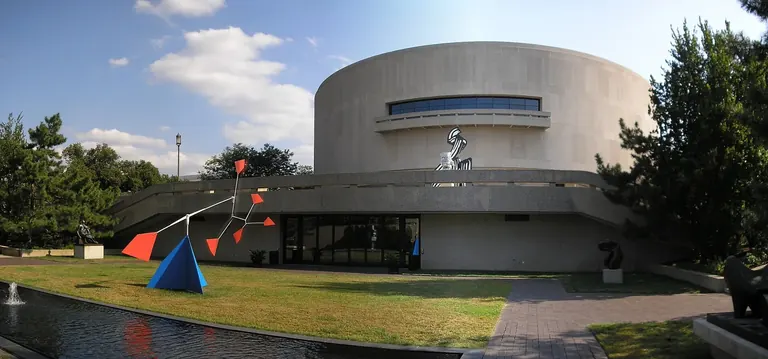
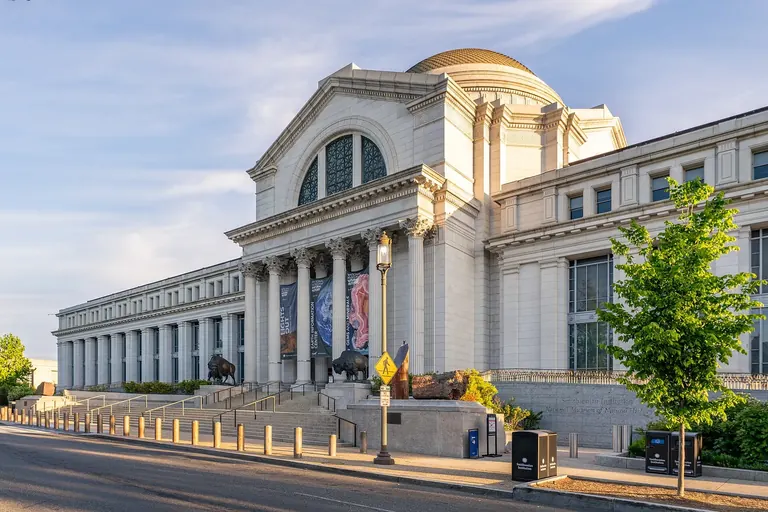
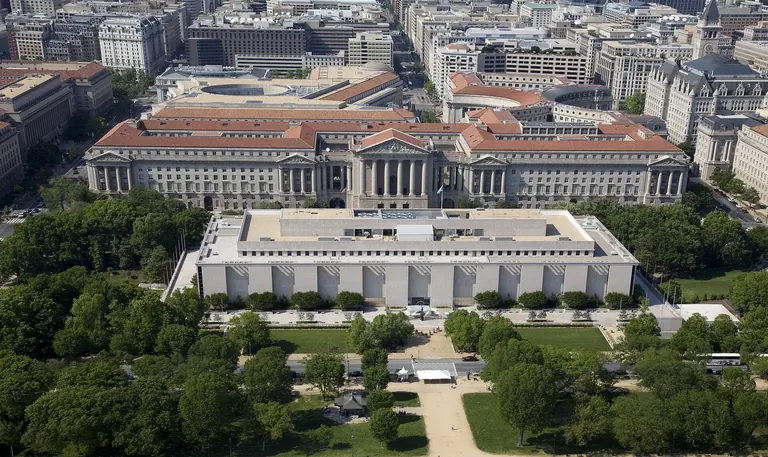
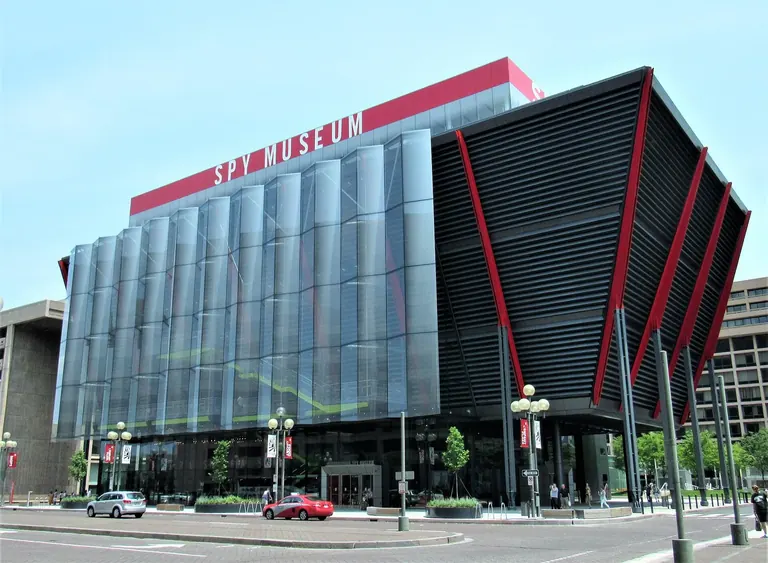
Image credits
8
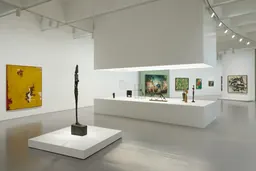
- Revolutions: Art from the Hirshhorn Collection, 1860–1960Hirshhorn Museum and Sculpture Garden, Smithsonian Institution
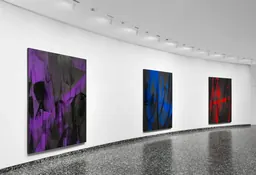
- Adam Pendleton: Love, QueenPeio Erroteta / Hirshhorn Museum and Sculpture Garden, Smithsonian Institution
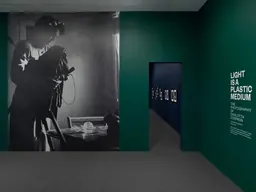
- Light Is a Plastic Medium: The Photography of Carlotta CorpronCourtesy of Hirshhorn Museum and Sculpture Garden
- National Museum of Asian ArtDifference engine, via Wikimedia Commons, CC BY-SA 4.0
- Hirshhorn Museum and Sculpture GardenGryffindor, via Wikimedia Commons, Public domain
- National Museum of Natural Historyajay_suresh via Wikimedia Commons, CC BY 4.0
- National Museum of American HistoryCarol M. Highsmith / Wikimedia Commons, Public domain
- International Spy MuseumFarragutful, via Wikimedia Commons, CC BY-SA 4.0