Library of CongressCapitol Hill
The Declaration's Promise: A Revolutionary Idea
Library collections trace how Americans have argued with, rallied around and reached for the Declaration of Independence — its ideals of equality, liberty and the pursuit of happiness.
More in Washington, DC
In Jefferson's rough draft, the truths were first "sacred & undeniable". Franklin suggested "self-evident", says the Library's acting manuscript chief, and further down "subjects" became "citizens". The text took 86 edits from Franklin, Adams and Congress, and here you read the page they started on. Capitol Hill still runs on redlined drafts; this is the one they all descend from.
The draft is one of 121 objects in the David M. Rubenstein Treasures Gallery. You start in the Revolution, with a 1690 Locke and the first newspaper printings of the Declaration, then walk through sections named for its phrases, such as "Created Equal" and "Pursuit of Happiness". There, abolitionists, suffragists and civil rights leaders quote Jefferson back at the country, from Frederick Douglass on "The Meaning of July Fourth" to Lincoln's Gettysburg Address, with digital kiosks between the cases.
Go for the founding argument on paper, and stay for the people who held the country to it. Entry is free, but every visitor needs a timed-entry pass from loc.gov/visit.
Editor's pick
Jefferson's rough draft of the Declaration shows "sacred & undeniable" changed to "self-evident". Around it, 121 objects run from a 1775 globe to Walt Whitman's pen and a 55-foot petition from 1865.
Look for
Jefferson's rough draft
Look for the crossings-out: "sacred & undeniable" giving way to "self-evident", and "subjects" to "citizens", with Franklin's and Adams's edits on Jefferson's page.
The 55-foot petition
An 1865 petition signed by more than 3,000 Black South Carolinians asking for the vote, nearly 55 feet long.
Walt Whitman's pen
A single pen with its old label still attached: "Rec'd from Walt Whitman, January 7, 1891, See note".
Rigobert Bonne's 1775 globe
A 31 cm globe of hand-coloured paper over papier-mâché, in a wooden stand with a zodiac ring and a meridian topped by a small clockface.
The 1752 plan of Philadelphia
The city's street grid with landowners marked, and above it the first picture in any format of the State House.
Good for
- Cheap Culture
- Nerding Out
- Out-Of-Town Guests
Also at Library of Congress
On now nearby
Nearby
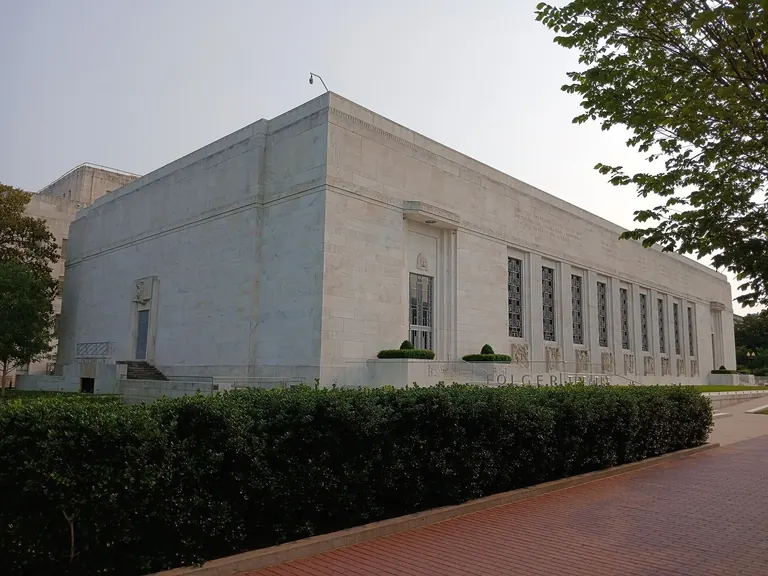
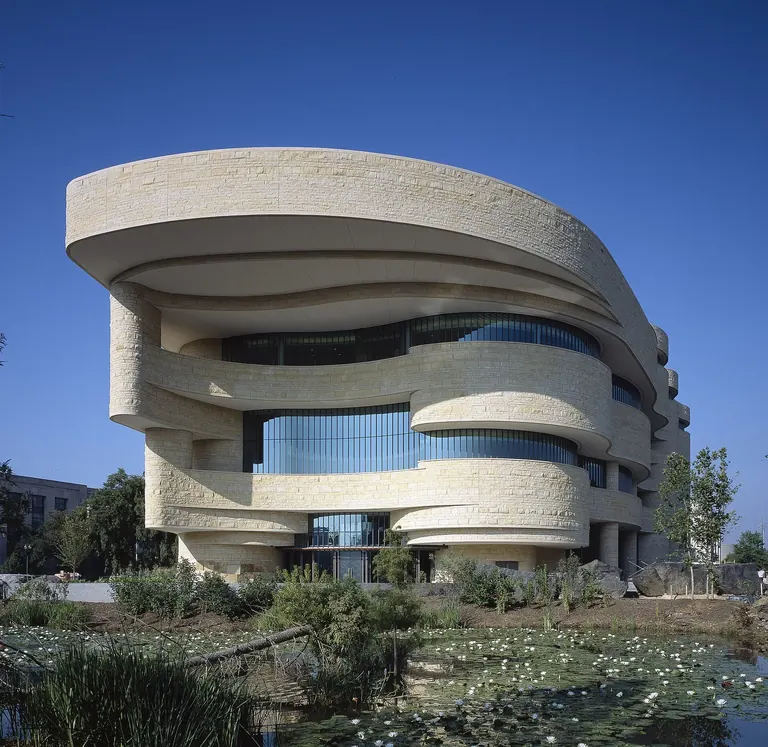
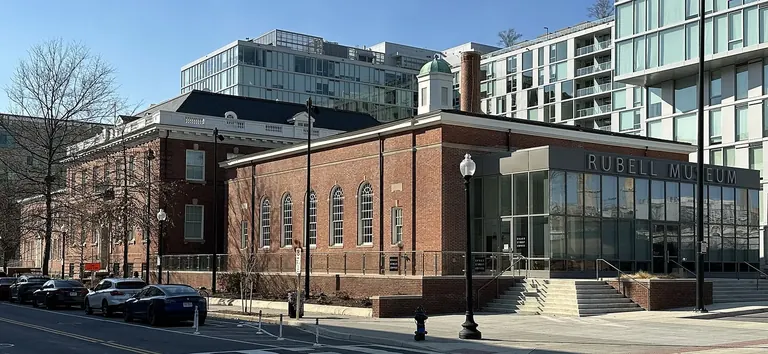
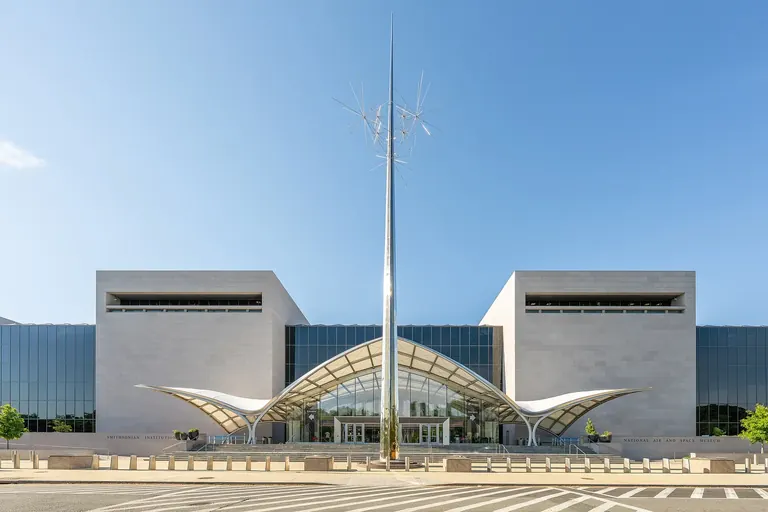
Image credits
8
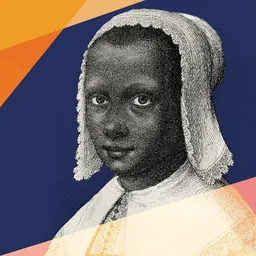
- To Hear Her Speak: Black Women and ShakespeareFolger Shakespeare Library
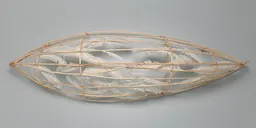
- Water's Edge: The Art of Truman LoweCourtesy of National Museum of the American Indian
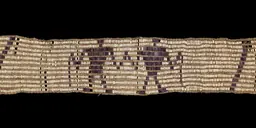
- Nation to Nation: Treaties Between the United States and American Indian NationsCourtesy of National Museum of the American Indian
- Library of CongressCarol M. Highsmith, via Wikimedia Commons, CC BY-SA 3.0
- Folger Shakespeare LibrarySer Amantio di Nicolao, via Wikimedia Commons, CC BY-SA 4.0
- National Museum of the American IndianCarol M. Highsmith / Library of Congress, via Wikimedia Commons, Public domain
- Rubell Museum DCAPK, Wikimedia Commons, CC BY 4.0
- National Air and Space Museumajay_suresh via Wikimedia Commons, CC BY 4.0