 i
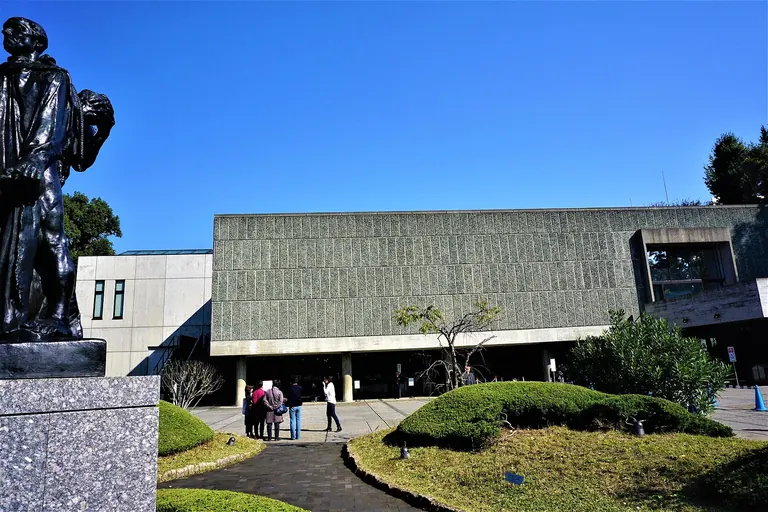
National Museum of Western ArtUeno Park
Myth, Allegory, and Celebration: Print Works and the Courts of Italy from the Renaissance to the Baroque
This exhibition has ended.
About 50 prints trace mythological and allegorical imagery and courtly celebration culture in Italy from the Renaissance to the Baroque.
Museum websiteMore in Tokyo
In the left half of Mantegna's Battle of the Sea Gods, from about 1475, an old woman with a terrifying look holds up a tablet marked INVID: Invidia, Envy. These prints were made for collectors versed in humanist ideas, and many assume you already know the myth.
On the second floor of the New Wing, in the Prints and Drawings Gallery, you work through about 50 prints from the museum's own collection, in four sections: early Florentine engravings and Mantegna, copies after Raphael by Marcantonio Raimondi and others, decorative designs down to a pair of knife blades, and the court as a stage. Jacques Callot's 1619 festival on the Arno is a print called The Fan, which puts Florence about four centuries ahead of the Sumida fireworks uchiwa.
Several prints carry Latin captions, so get close. Entry is 500 yen, free for under-18s and over-65s, and free with a Collection ticket. It closes on Monday 12 October, a holiday the museum opens for, 9:30 to 17:30.
Look for
Envy in Mantegna's Battle of the Sea Gods
Look for the fierce old woman holding a tablet inscribed INVID, short for Invidia, in the left half of Mantegna's frieze of fighting sea creatures, about 1475.
Quos Ego, after Raphael
Neptune calms the winds at the centre while Latin captions around him tell the rest: Aeolus unleashing the winds for Juno, Dido receiving Aeneas at Carthage.
Cherubino Alberti's Design for Knives
Two engraved blades from 1583 carry Latin mottos, one praising a secure mind as a constant feast, the other naming the insatiable belly.
The 1589 Medici wedding
Etchings record the entry arches Florence built for Ferdinando I and Christine of Lorraine, a joust in Piazza Santa Croce and a mock sea battle in the Palazzo Pitti courtyard.
Callot's The Fan
Its lettering announces the Battle of King Tessi and King Tinta, a festival staged on the river Arno in Florence on 25 July 1619.
Good for
- Cheap Culture
- Locals Who've Seen It All
- Nerding Out
Skip if
You came for paintings: this is one room of about 50 engravings, etchings and woodcuts on paper.
With kids
Under-18s and high-school students get in free.
Also at National Museum of Western Art
- Picturing the Theater: From Delacroix and Daumier to Toulouse-Lautrec and Klinger20 October 2026 – 11 January 2027
- "Shōwa 100th": How Conservation and Restoration Evolved at the NMWA during the Shōwa Period — Van Gogh's Roses and Renoir's Woman with a Hat30 June 2026 – 11 January 2027
- Turner: Painting the Sublime, in Dialogue with Contemporary Art24 October 2026 – 21 February 2027
On now nearby
Nearby
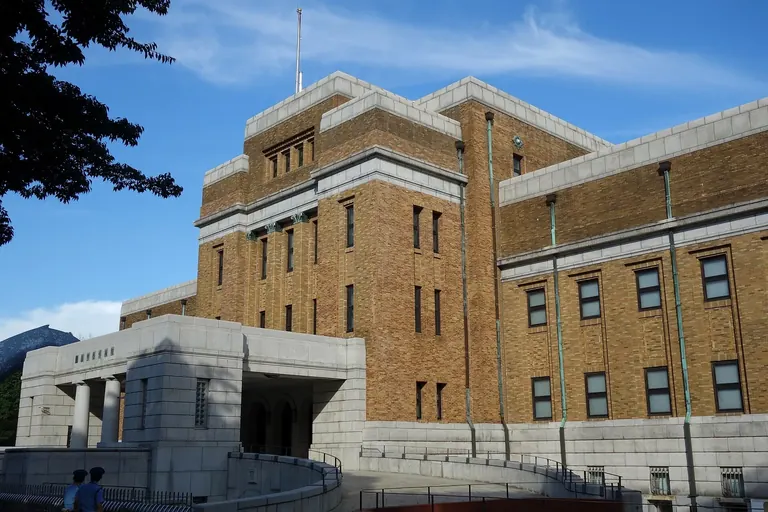
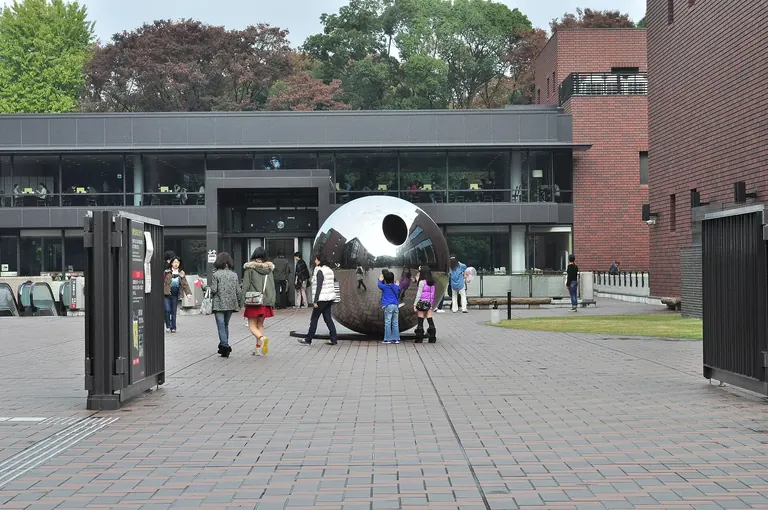
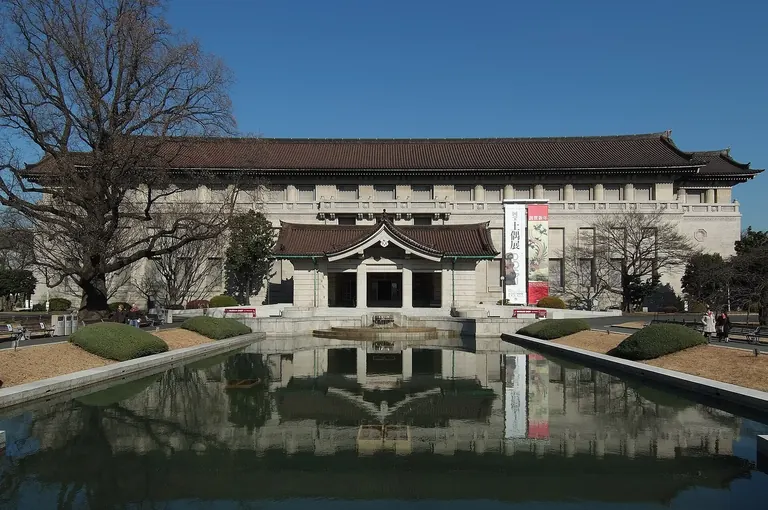
Image credits
5
- National Museum of Western ArtJoyofmuseums, CC BY-SA 4.0
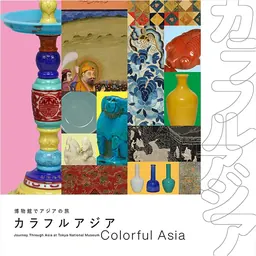
- Colorful Asia: Journey through Asia at Tokyo National MuseumCourtesy of Tokyo National Museum
- National Museum of Nature and ScienceDaderot, CC0
- Tokyo Metropolitan Art MuseumJoe Mabel, CC BY-SA 2.0
- Tokyo National MuseumWiiii, Wikimedia Commons, CC BY-SA 3.0