National Museum of Nature and ScienceUeno Park
Challenging Infectious Diseases: Past, Present and Future (Noguchi Hideyo 150th Anniversary)
A commemorative exhibition marking 150 years since the birth of bacteriologist Noguchi Hideyo, tracing his life's work and humanity's ongoing fight against infectious disease.
More in Tokyo
Preview: written before the show opened
Noguchi Hideyo carved a statement of resolve into a pillar of the house where he was born. A replica of that text stands in this show's third chapter, next to the medical equipment he took with him to Africa and pathology specimens from his own research.
The show marks 150 years since his birth and runs in five chapters. It starts close to home, with Japan's COVID-19 years of 2020 and 2021, then goes back to how disease-causing microbes were found: a swan-neck flask, a replica of Leeuwenhoek's microscope and his sketches of bacteria. After Noguchi's chapter, you get to look through a microscope at pathogens yourself, and the last chapter turns to where infection research goes next.
It's in the special exhibition room on the first floor of the Japan Gallery and needs only the regular ¥630 museum ticket, with high school students and younger, and over-65s, free. A film screening on 22 November needs web booking by 8 November.
Editor's pick
Marks 150 years since the birth of bacteriologist Noguchi Hideyo, following his life's work and the longer fight against infectious disease up to the present.
Look for
Noguchi's carved vow
A replica of the statement of resolve Noguchi carved into a pillar of the house where he was born.
The Africa kit
Medical equipment Noguchi took with him to Africa, shown with pathology specimens he used in his research.
Leeuwenhoek's microscope and sketches
A replica of Leeuwenhoek's microscope beside his drawings of bacteria, in the chapter on how microbes were first found.
The swan-neck flask
A glass flask with a long curved neck, from the same chapter on the early hunt for the causes of disease.
The microscope corner
Look through a microscope at pathogens yourself, in the chapter that also shows the mould Aspergillus fumigatus and E. coli.
Good for
- Cheap Culture
- Nerding Out
- Rainy Days
With kids
High school students and younger get in free. One chapter has microscopes visitors look through to see pathogens for themselves.
Also at National Museum of Nature and Science
On now nearby
Picturing the Theater: From Delacroix and Daumier to Toulouse-Lautrec and Klinger
National Museum of Western Art
"Shōwa 100th": How Conservation and Restoration Evolved at the NMWA during the Shōwa Period — Van Gogh's Roses and Renoir's Woman with a Hat
National Museum of Western Art
Turner: Painting the Sublime, in Dialogue with Contemporary Art
National Museum of Western Art
Nearby
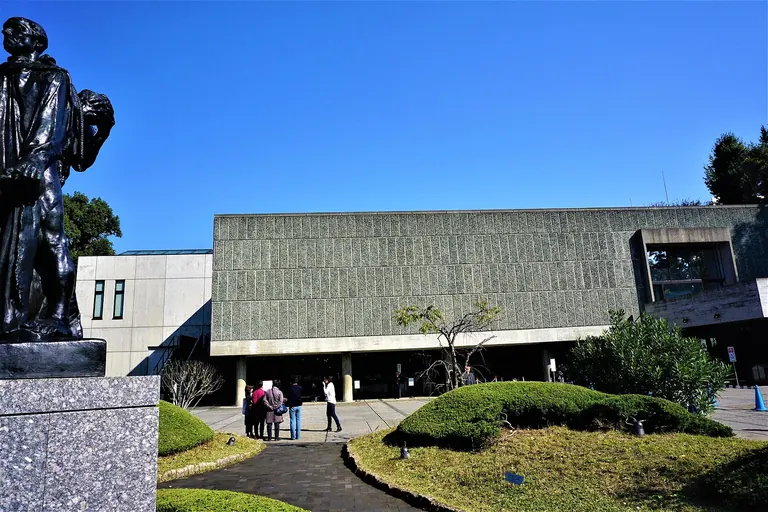
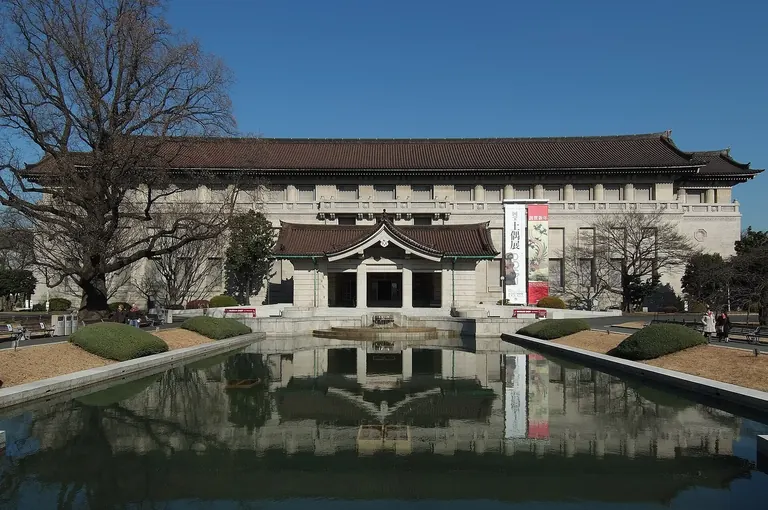
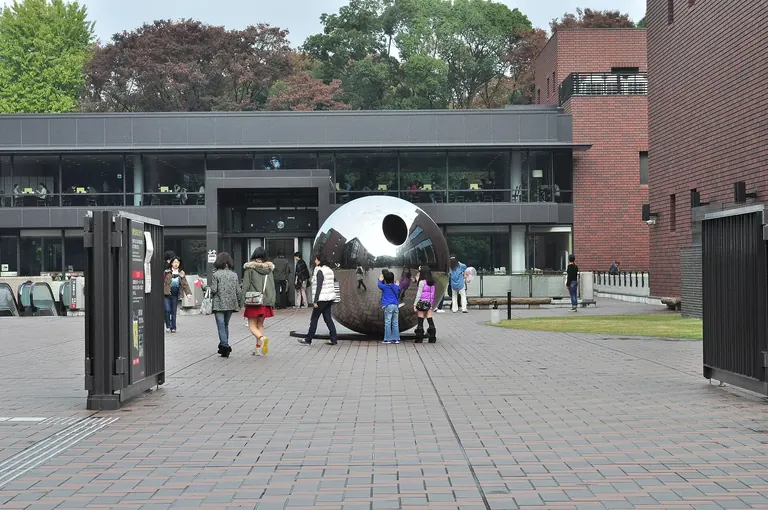
Image credits
4
- National Museum of Nature and ScienceDaderot, CC0
- National Museum of Western ArtJoyofmuseums, CC BY-SA 4.0
- Tokyo National MuseumWiiii, Wikimedia Commons, CC BY-SA 3.0
- Tokyo Metropolitan Art MuseumJoe Mabel, CC BY-SA 2.0