 i
Edo-Tokyo MuseumRyogoku, Sumida
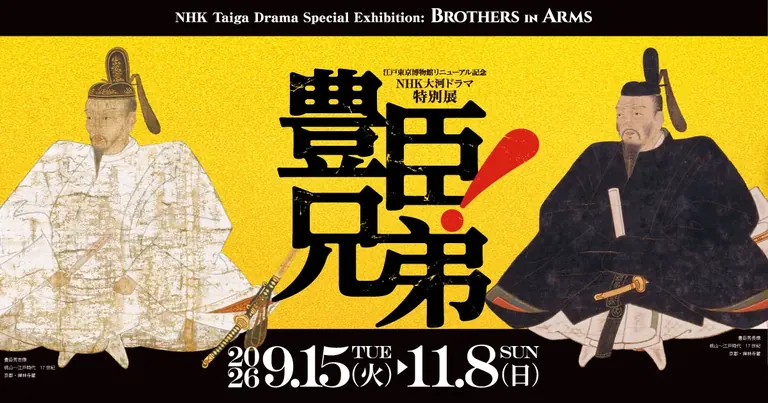
NHK Taiga Drama Special Exhibition: Brothers in Arms
Renewal-commemorative special exhibition on brothers Toyotomi Hideyoshi and Hidenaga's role unifying Japan, with artifacts tied to Nobunaga, Ieyasu and Sen no Rikyu.
More in Tokyo
The object everyone points to is tiny. A shouldered tea caddy named Yakushi-in, made in China some 700 years ago, is the one thing that can be pinned to Toyotomi Hidenaga as his own. Sosuke Ikematsu, who plays his brother Hideyoshi in this year's NHK drama, said it nearly made him cry.
The show follows Hidenaga, Hideyoshi's younger brother and fixer, from his first appearance in the record in 1574 to the Toyotomi collapse at Osaka. Letters come with modern Japanese translations. You finish with the brothers side by side as carved figures, the seated one, said to be Hideyoshi, more than 80 cm wide. If your phone has ever had Touken Ranbu on it, two of your characters are here in steel.
It's in the 1F Special Exhibition Gallery: ¥2,100, free for high-schoolers and under, ¥2,740 with the permanent galleries. From 14 October the brothers' portraits leave and the sword Nansen Ichimonji arrives. Taiga Nakano, who plays Hidenaga, voices the audio guide. Saturdays run to 19:30.
Look for
The Yakushi-in tea caddy
Look for a small, shouldered Chinese caddy from the 13th or 14th century, the only object confirmed as Hidenaga's own and recorded at his tea gatherings.
The brother castles' roof tiles
Tiles from Osaka Castle and Hidenaga's Koriyama Castle sit together: compare the swirls and the ring of dots, almost identical in spacing and shape.
The Shizugatake battle screen
A gold-ground screen with Shibata Katsuie's army attacking Hideyoshi's side on the left and Hideyoshi's counterattack on the right, rarely put on display.
The Jurakudai procession screen
Shown only in Tokyo, it follows the emperor's procession to Hideyoshi's Jurakudai palace, the ceremony Hideyoshi used to borrow imperial authority.
The long triangular spear
Step to the corner of its case: the curator says the lighting shows this 16th-century blade's temper line unusually clearly from there.
Good for
- Evening Visits
- Nerding Out
- Teenagers
Skip if
You came for Edo-period Tokyo: this is the generation before, set in Osaka, Kyoto and Nara.
With kids
Preschoolers and all school pupils up to high school get in free; adults pay ¥2,100.
Also at Edo-Tokyo Museum
On now nearby

Nearby
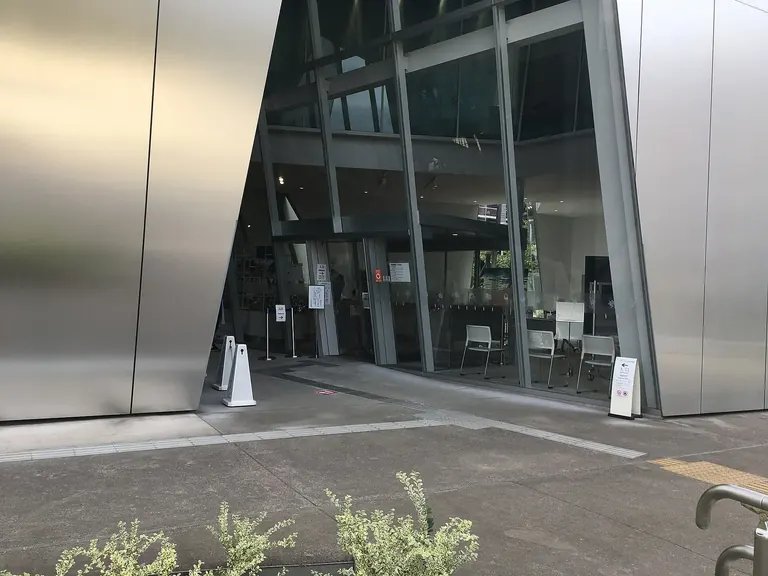
Image credits
6
- NHK Taiga Drama Special Exhibition: Brothers in ArmsCourtesy of Edo-Tokyo Museum
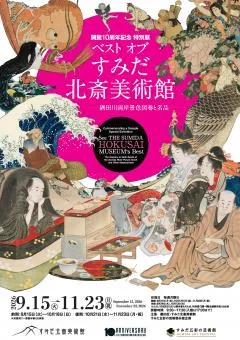
- Best of the Sumida Hokusai Museum: The Sumida River Landscape Scroll and Other MasterpiecesCourtesy of Sumida Hokusai Museum
- Suikoden: The Water Margin, Outlaws of the MarshCourtesy of Tokyo Station Gallery
- Masterpieces from the Itsuo Art Museum Collection: Buson, Go Shun, and the Art of TeaCourtesy of Suntory Museum of Art
- Edo-Tokyo MuseumMarco Almbauer (Wikimedia Commons), CC0
- Sumida Hokusai MuseumHiga4, Wikimedia Commons, CC0