 i
Chau Chak Wing MuseumCamperdown
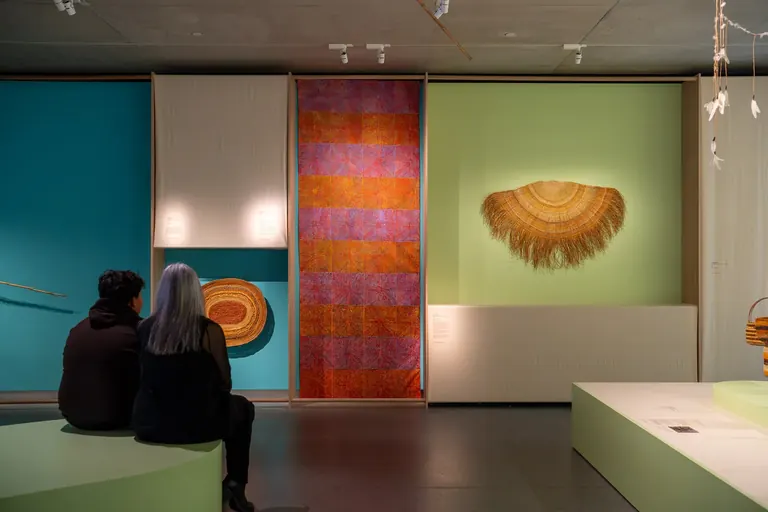
Fibre Optics: First Nations women in fibre
Celebrates the artistry and technical mastery of First Nations women's fibre works from Arnhem Land, the Torres Strait and Boggabilla, presented as masterworks rather than craft.
More in Sydney
In the mid-1800s someone in Zenadth Kes, the Torres Strait, made a delicate grass skirt and finished it with hibiscus flowers. Elsewhere in the show are two bright contemporary sculptures made from ghost nets, fishing nets abandoned at sea.
The show brings together 58 works by First Nations women from Arnhem Land, the Torres Strait and Boggabilla in north-west NSW, three regions shown side by side for the first time. From Yolŋu women at Milingimbi you get weavings, bark paintings, dupun (burial poles), yam digging sticks and fish traps. Curator Marika Duczynski's case is that a Yolŋu basket is never just a basket, and the show hangs these as masterworks, not craft. Despite the title, nobody on Level 3 can fix your NBN.
Most works come from the museum's own collection, with loans from the Moree Cultural Art Foundation and Dr Louise Hamby. Entry is free with no booking, in the Level 3 Gallery. The museum closes 21 December to 3 January.
Look for
The nesur with hibiscus flowers
Look for a delicate grass skirt from Zenadth Kes, the Torres Strait, made in the mid-1800s and decorated with hibiscus flowers.
The ghost-net sculptures
Two brightly coloured contemporary sculptures are made from reclaimed ghost nets, abandoned fishing nets that threaten marine wildlife, shown alongside the older weaving from the same islands.
Euraba Artists' cotton paper
Paintings on handmade paper pulped from Boggabilla cotton-industry offcuts, with inks from the same process, are among the works that survived the late-2025 fire at the collective's workshop.
Good for
- Cheap Culture
- Nerding Out
- Rainy Days
Also at Chau Chak Wing Museum
On now nearby
Nearby
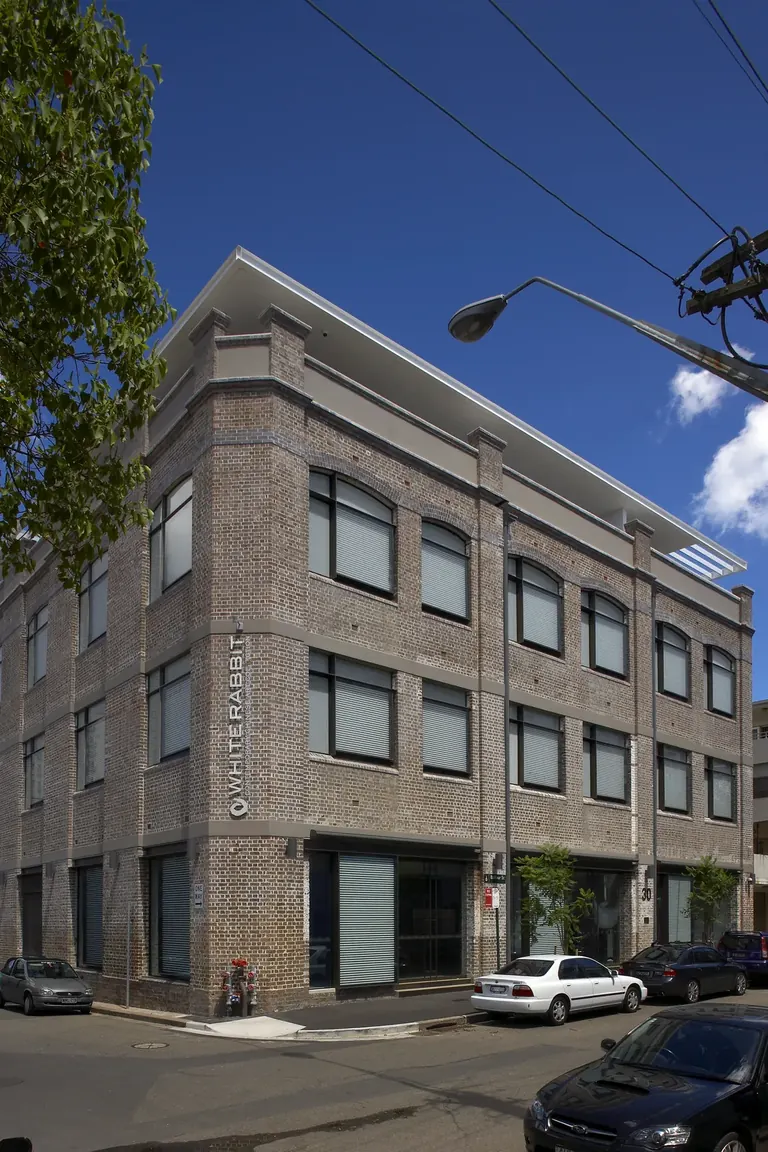
Image credits
7
- Fibre Optics: First Nations women in fibrePhoto: Trixie Young
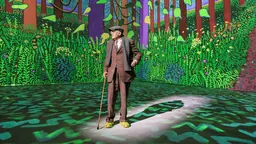
- David Hockney: Bigger & Closer (not smaller & further away)Photo by Justin Sutcliffe © David Hockney
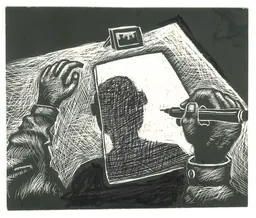
- Andy Ewing: Ancestor Spirits / Kirthana Selvaraj: In the Half Light© The Estate of Andrew Ewing
- Chau Chak Wing MuseumNick-D, CC BY-SA 4.0
- White Rabbit GallerySmart Design Studio / Wikimedia Commons, CC BY-SA 3.0
- CarriageworksNick-D, Wikimedia Commons, CC BY-SA 4.0
- 4A Centre for Contemporary Asian ArtChris Olszewski (Kgbo), Wikimedia Commons, CC BY-SA 4.0