 i
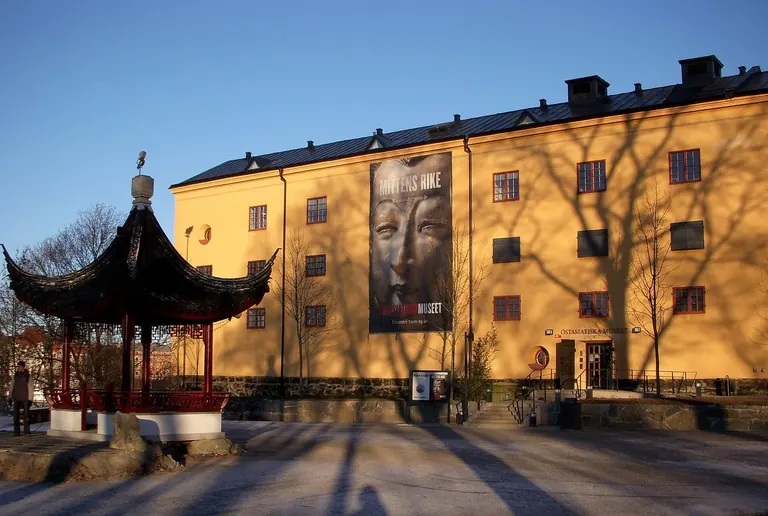
Museum of Far Eastern Antiquities (Östasiatiska museet)
Founded in 1926, the Museum of Far Eastern Antiquities holds one of the finest collections of Chinese, Japanese, Korean and South and Southeast Asian art and archaeology outside Asia. It occupies Tyghuset, a former armoury on the island of Skeppsholmen, and is part of the National Museums of World Culture. After a renovation it reopened on 19 September 2026 with new galleries on imperial China, Edo-period Japan and Korea.
More in Stockholm
What's On
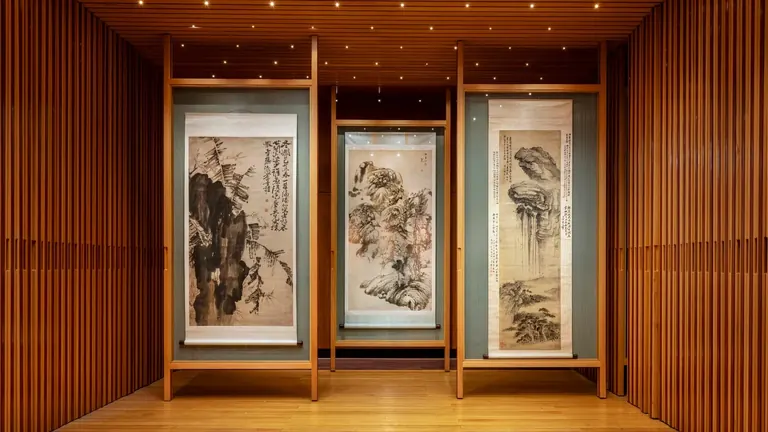
Four Perfections – Poetry, Calligraphy, Painting, Seal
Nine Chinese literati works by Bada Shanren, Xu Wei, Shi Tao, Qi Baishi and others, with some fifty seals, on the ideal uniting poetry, calligraphy, painting and seal.
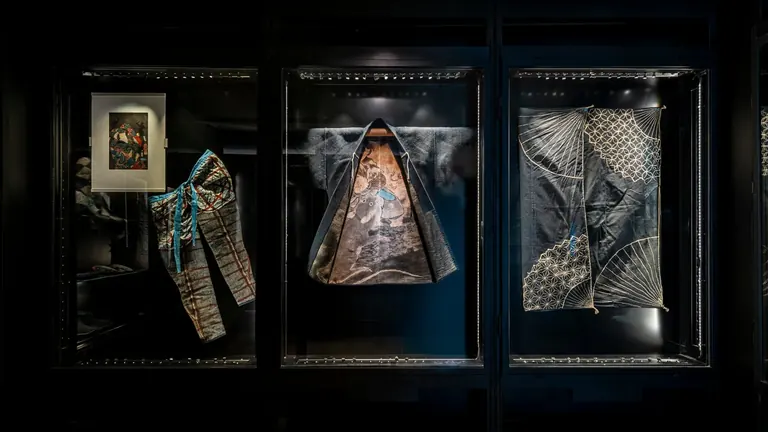
Stitch after Stitch – Japanese Boro and Traditional Workwear
Mended boro textiles, sashiko-stitched workwear and a firefighter's garment from Japan, plus 2010s fashion inspired by the tradition.
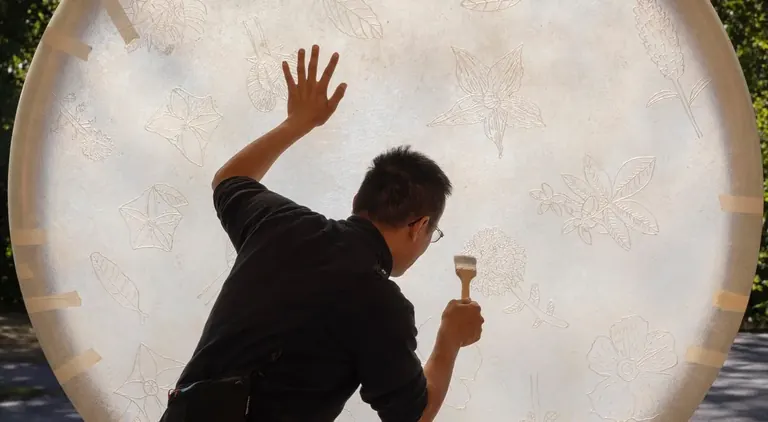
The Sun of Zeelandia
Taiwanese artist Kao Jun-Honn turns a colonial-era shield from the collection into a sun, a public sculpture by the entrance covered in schoolchildren's plant drawings.
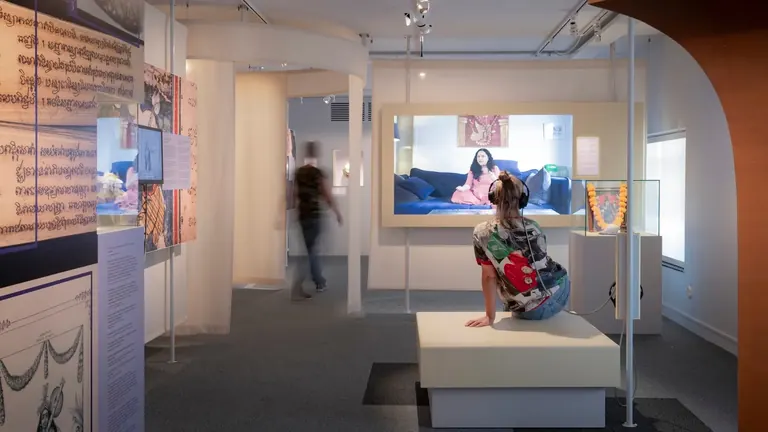
In Our Lives – Asian Cultural Heritage in Motion
How Asian traditions live on in Sweden, told through people practising Muay Thai, yoga and meditation, food culture and Indian dance.
Permanent Collections
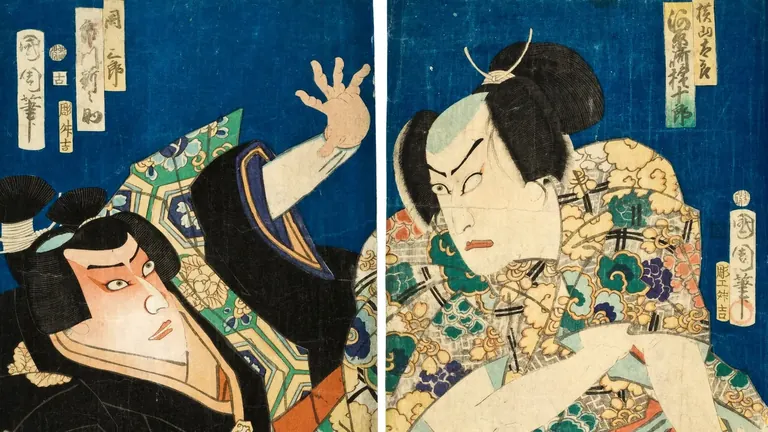
Japan – Tales of Objects and Images
Over 400 objects spanning 1,400 years, centred on Edo-period Japan: samurai armour and swords, tsuba, tea ceremony wares and woodblock prints.
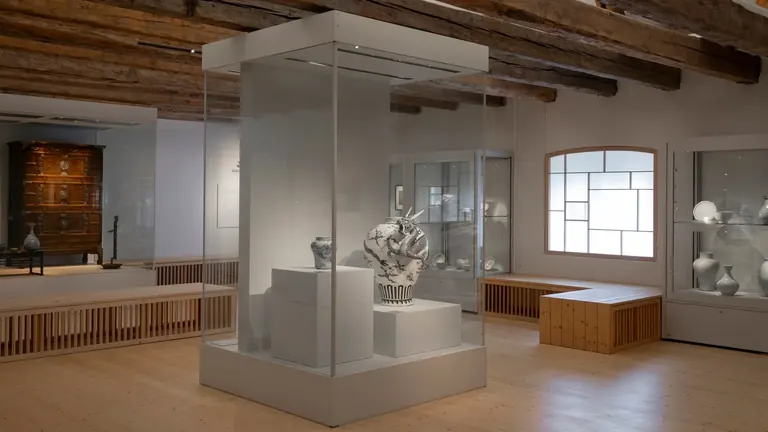
The Korea Gallery
Korean paintings, celadon, white porcelain and metalwork from the 5th century to today, alongside contemporary art, in a gallery designed by a Korean architect.
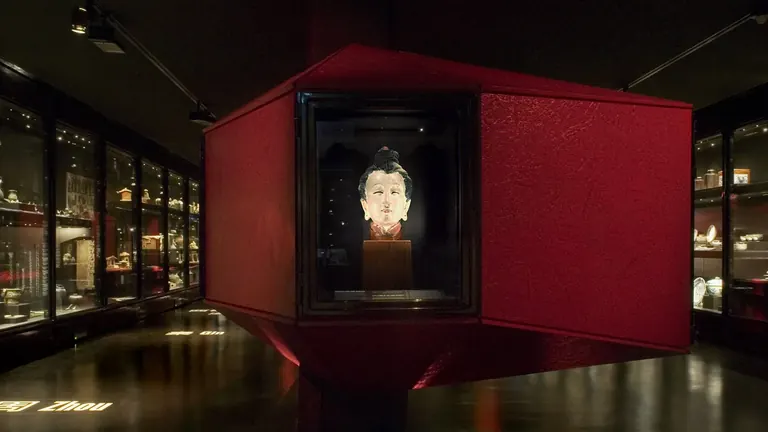
The Middle Kingdom – Imperial China
3,500 years of Chinese history in bronzes, jade, tomb figures and porcelain, from Bronze Age kingdoms to the Qing, incl. the Gripsholm service made for Gustav III.
Plan Your Visit
Getting there
Tyghusplan 4, 111 49 Stockholm, Sweden
Nearest station: Kungsträdgården (T-bana, blue line) and Östasiatiska museet (bus 65)
Show on mapHours
| MonToday | Closed |
| Tue | 11:00–20:00 |
| Wed | 11:00–17:00 |
| Thu | 11:00–17:00 |
| Fri | 11:00–17:00 |
| Sat | 11:00–17:00 |
| Sun | 11:00–17:00 |
Admission
From kr 160
Seniors 140 SEK; free for under-19s; two-for-one on the last Friday of each month; 200 SEK Stockholm annual pass
Last verified
Nearby
Visitor Information
- How much does Museum of Far Eastern Antiquities (Östasiatiska museet) cost?
- Standard adult admission to Museum of Far Eastern Antiquities (Östasiatiska museet) is kr 160. Seniors 140 SEK; free for under-19s; two-for-one on the last Friday of each month; 200 SEK Stockholm annual pass. Prices for special exhibitions and timed-entry slots may differ.
- What are the opening hours of Museum of Far Eastern Antiquities (Östasiatiska museet)?
- Museum of Far Eastern Antiquities (Östasiatiska museet) is open Tue 11:00-20:00, Wed-Sun 11:00-17:00, closed Mondays. Closed 24, 25 and 31 Dec 2026 and 1 Jan 2027; 26-27 Dec open 10:00-17:00.. Holiday hours can vary, so check the museum's website before you go.
- Where is Museum of Far Eastern Antiquities (Östasiatiska museet)?
- Museum of Far Eastern Antiquities (Östasiatiska museet) is located at Tyghusplan 4, 111 49 Stockholm, Sweden, in the Skeppsholmen area of Stockholm. The nearest stations are Kungsträdgården (T-bana, blue line) and Östasiatiska museet (bus 65).
- What can I see at Museum of Far Eastern Antiquities (Östasiatiska museet)?
- Samurai armour, imperial Chinese porcelain and Korean celadon in a 1700s armoury on Skeppsholmen, freshly reopened in 2026. Current highlights include Japan – Tales of Objects and Images, Four Perfections – Poetry, Calligraphy, Painting, Seal and The Korea Gallery.
- Do I need to book Museum of Far Eastern Antiquities (Östasiatiska museet) in advance?
- Booking ahead is recommended, especially for weekends, school holidays, and special exhibitions. Tickets are normally on the museum's website, and a pre-booked timed slot helps you avoid queues at the entrance.
- When is the best time to visit Museum of Far Eastern Antiquities (Östasiatiska museet)?
- Weekday mornings shortly after opening are typically the quietest, especially mid-week. Late afternoons can also be calmer. Weekends, school holidays, and the lunch rush are the busiest periods.
Image credits
12
- Museum of Far Eastern Antiquities (Östasiatiska museet)Holger.Ellgaard / Wikimedia Commons, CC BY-SA 3.0
- Japan – Tales of Objects and ImagesCourtesy of Museum of Far Eastern Antiquities (Östasiatiska museet)
- Four Perfections – Poetry, Calligraphy, Painting, SealCourtesy of Museum of Far Eastern Antiquities (Östasiatiska museet)
- The Korea GalleryCourtesy of Museum of Far Eastern Antiquities (Östasiatiska museet)
- Stitch after Stitch – Japanese Boro and Traditional WorkwearCourtesy of Museum of Far Eastern Antiquities (Östasiatiska museet)
- The Sun of ZeelandiaCourtesy of Museum of Far Eastern Antiquities (Östasiatiska museet)
- In Our Lives – Asian Cultural Heritage in MotionCourtesy of Museum of Far Eastern Antiquities (Östasiatiska museet)
- The Middle Kingdom – Imperial ChinaCourtesy of Museum of Far Eastern Antiquities (Östasiatiska museet)
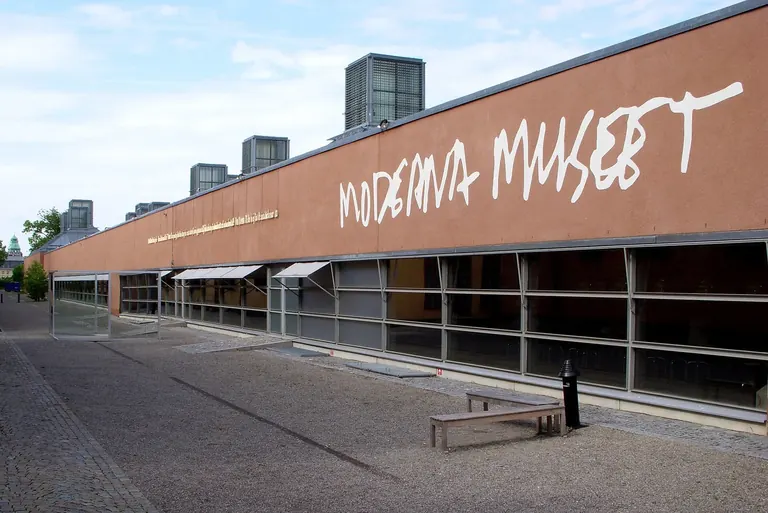
- Moderna MuseetHolger Ellgaard / Wikimedia Commons, CC BY-SA 3.0
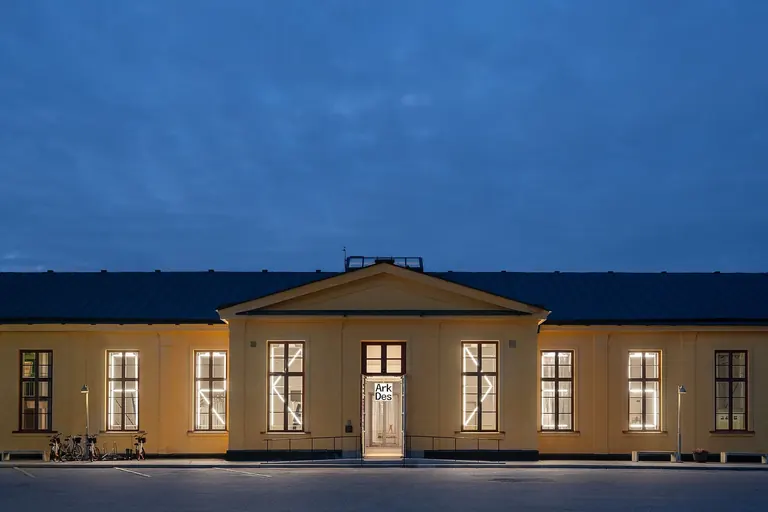
- ArkDesMarco Cappelletti, CC BY 4.0
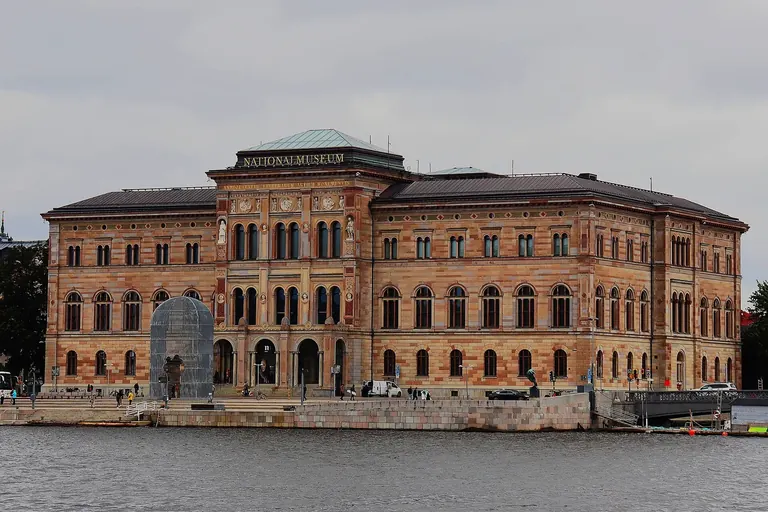
- NationalmuseumJacob Shaw / Wikimedia Commons, CC BY-SA 4.0
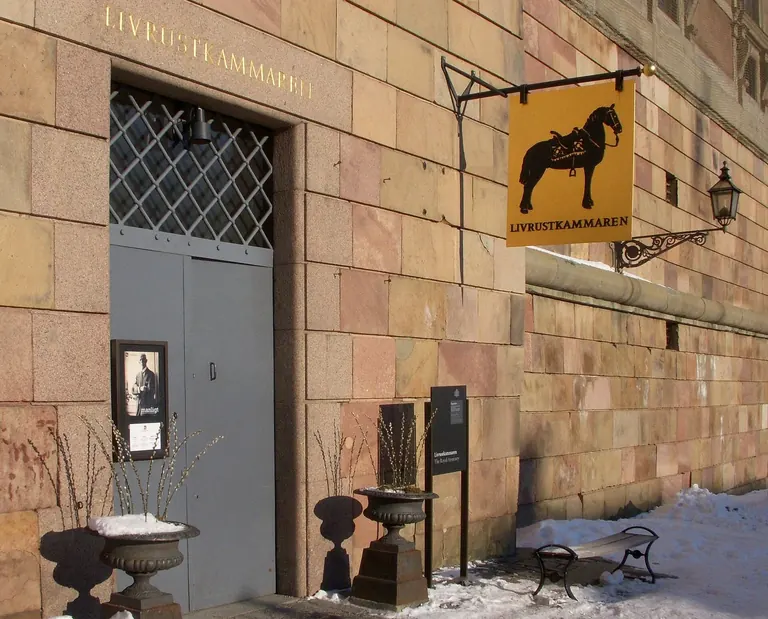
- The Royal Armoury (Livrustkammaren)Holger.Ellgaard / Wikimedia Commons, CC BY-SA 3.0