 i
Nobel Prize Museum · Gamla stan
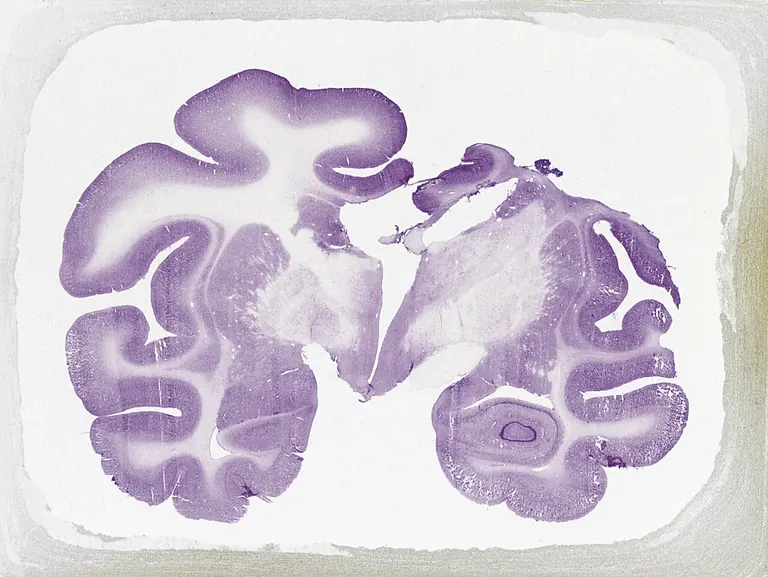
Cells, nerves, genes
Engravings, books and instruments from Karolinska Institutet's collections trace centuries of looking inside the body, centred on the 1931-33 medicine prizes.
One of the instruments here is a stop-flow machine that the American chemist Britton Chance built for Hugo Theorell, who used it to time enzyme reactions in cells that are over in milliseconds. Elsewhere, you can listen to a recording of nerves.
The show starts from three medicine prizes: Otto Warburg in 1931 for measuring energy exchange in cells, Sherrington and Adrian in 1932 for nerve impulses, and Thomas Hunt Morgan in 1933 for mapping fruit-fly chromosomes. Everything is lent by Karolinska Institutet, with the old books from its Hagströmer Library. Forskning & Framsteg's reviewer first saw only "a white corner" of text panels and a few brown cases, until images started projecting across the walls.
It works best if you like reading panels and want more after the main Nobel display. Entry is included in the 160 SEK museum ticket (free under 18), the museum stays open to 21:00 on Fridays, and the show closes on 29 November.
Editor's pick
Engravings, books and instruments from Karolinska Institutet's collections trace centuries of looking inside the body, centred on the medicine prizes of 1931 to 1933.
Look for
Britton Chance's stop-flow machine
Built for Nobel laureate Hugo Theorell, this machine measured enzyme reactions inside cells in real time, reactions that last only milliseconds.
The recording of nerves
Listen to an audio recording of nerve activity, the part Forskning & Framsteg's reviewer singled out as the coolest thing in the room.
Ramón y Cajal's illustrations
Look for the Spanish neuroscientist's drawings, shown alongside 17th-century engravings and modern microscope photographs, so you can compare how images of the body changed.
The wall projections
At regular intervals images are projected across the plain white walls, turning a corner of text panels into something livelier.
Good for
- Evening Visits
- Going Solo
- Nerding Out
Skip if
You want hands-on science: it's text panels, display cases and wall projections.
With kids
Under-18s get into the museum, and this show, free.
Also at Nobel Prize Museum
On now nearby


Nearby
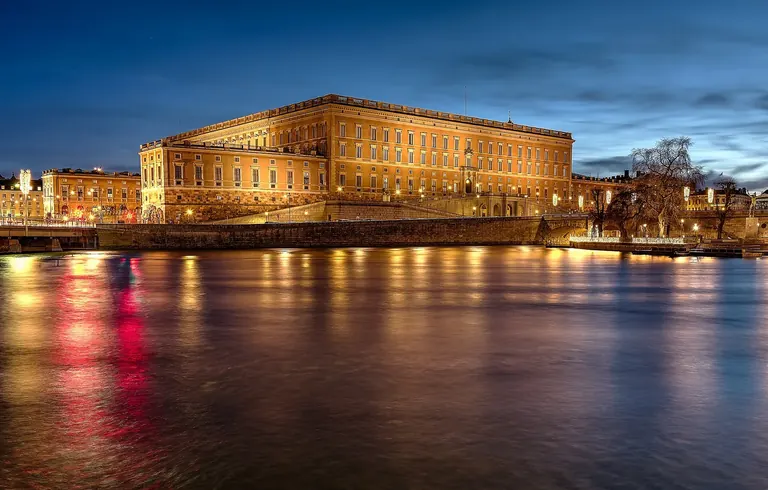
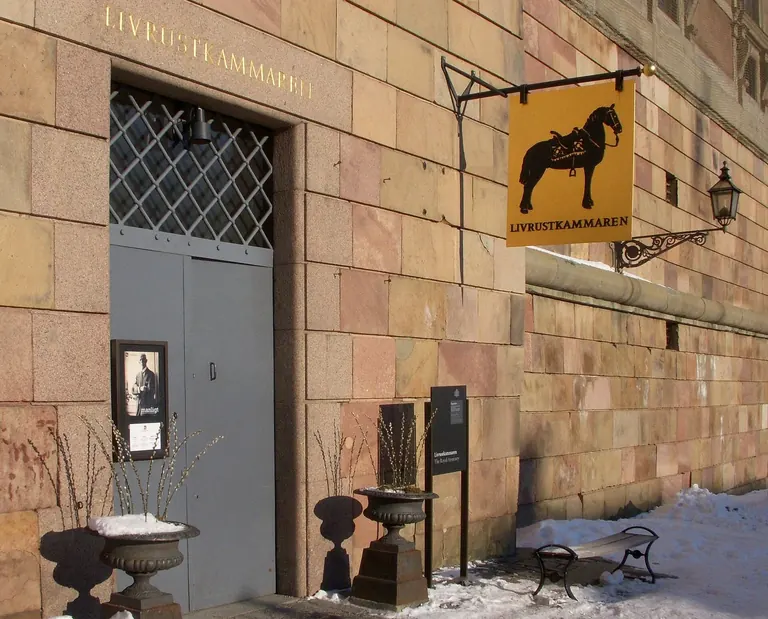
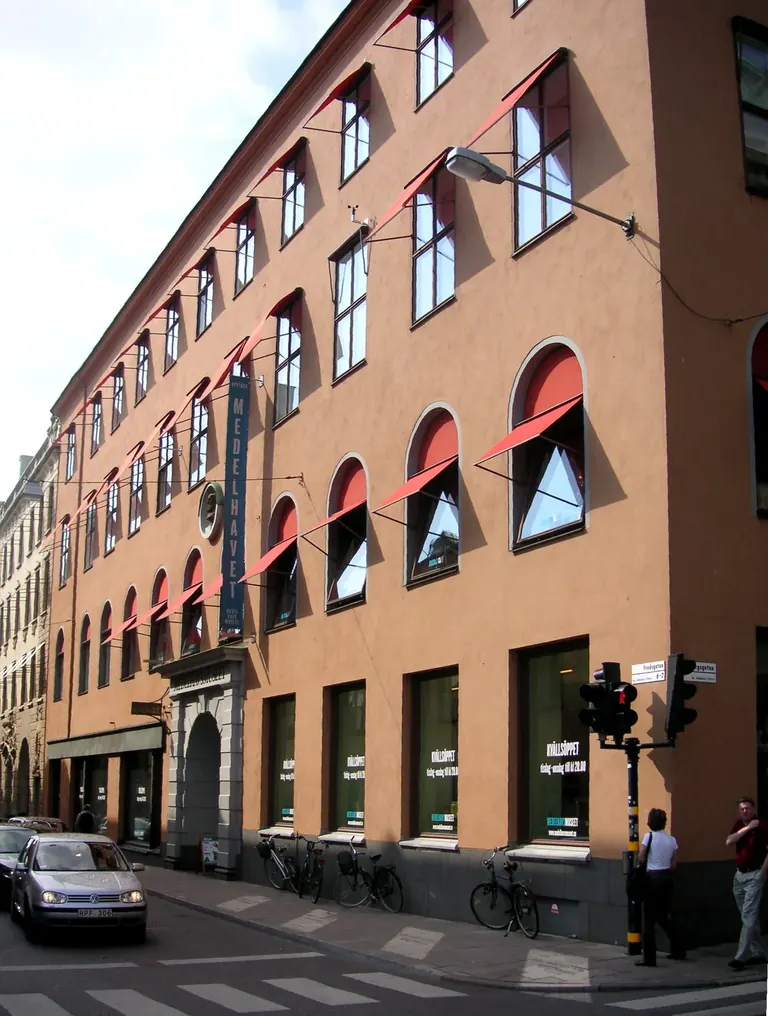
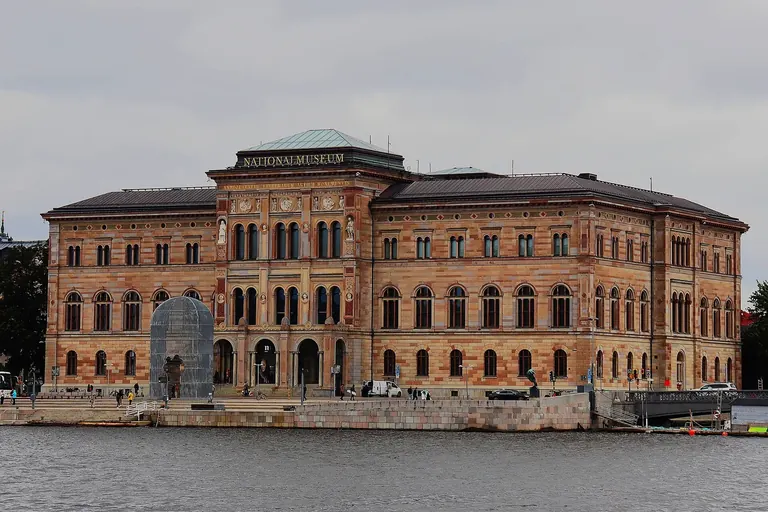
Image credits
9
- Cells, nerves, genesNobel Prize Outreach. Photo: Mattias Lindbäck
- Democracy does not exist - We make it!Courtesy of Medelhavsmuseet (Museum of Mediterranean and Near Eastern Antiquities)
- To the Sea!Courtesy of Nationalmuseum
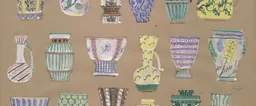
- Kåge – Sketches and Drawings from the Nationalmuseum ArchivesCourtesy of Nationalmuseum
- Nobel Prize MuseumBahnfrend / Wikimedia Commons, CC BY-SA 4.0
- Royal Palace of Stockholm (Kungliga slottet)Magnus Johansson / Wikimedia Commons, CC BY-SA 2.0
- The Royal Armoury (Livrustkammaren)Holger.Ellgaard / Wikimedia Commons, CC BY-SA 3.0
- Medelhavsmuseet (Museum of Mediterranean and Near Eastern Antiquities)Holger Ellgaard / Wikimedia Commons, CC BY-SA 3.0
- NationalmuseumJacob Shaw / Wikimedia Commons, CC BY-SA 4.0